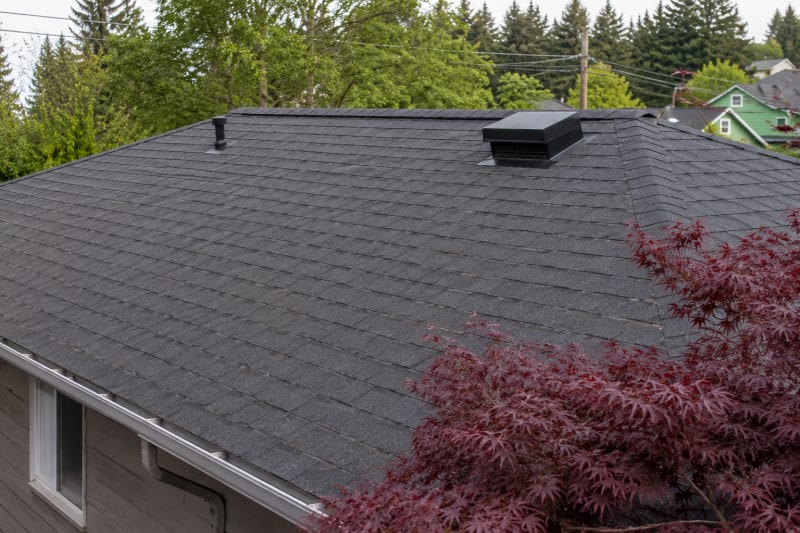
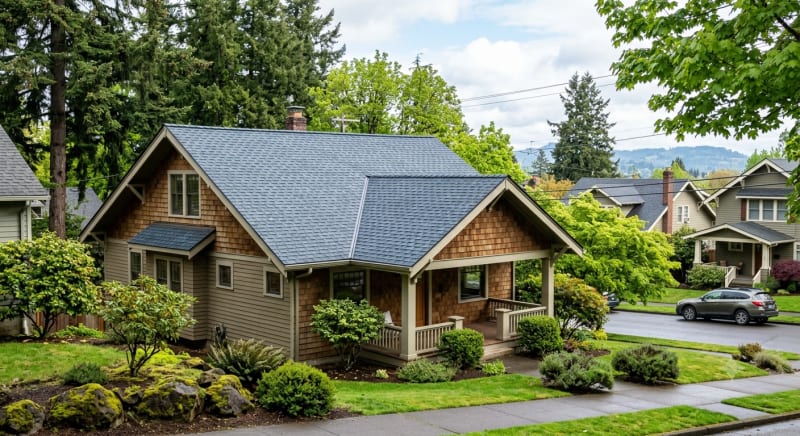
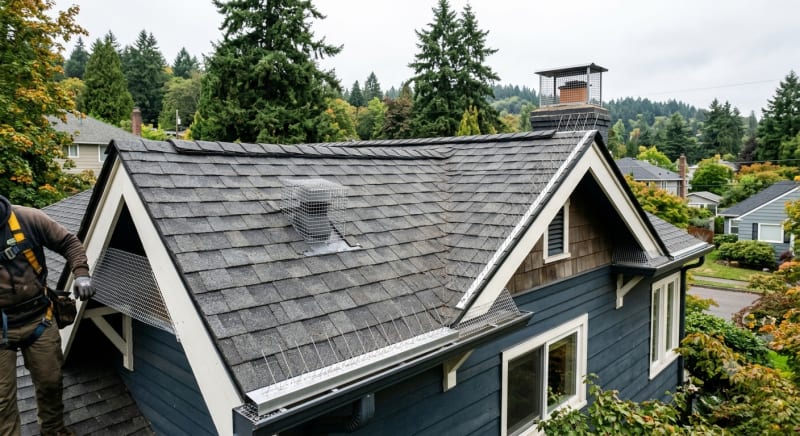
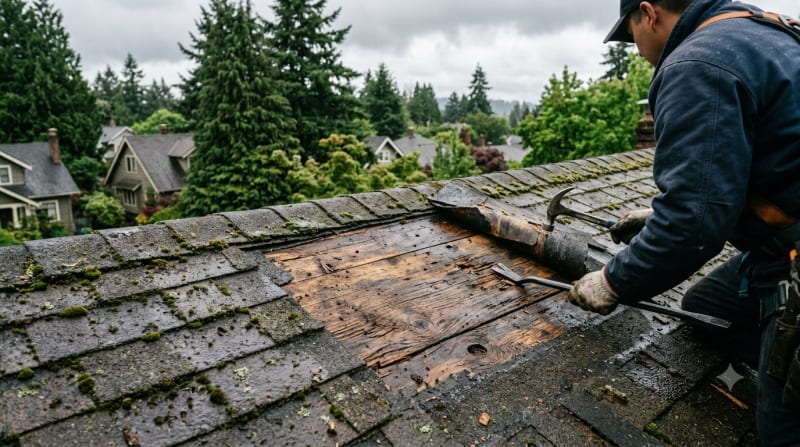
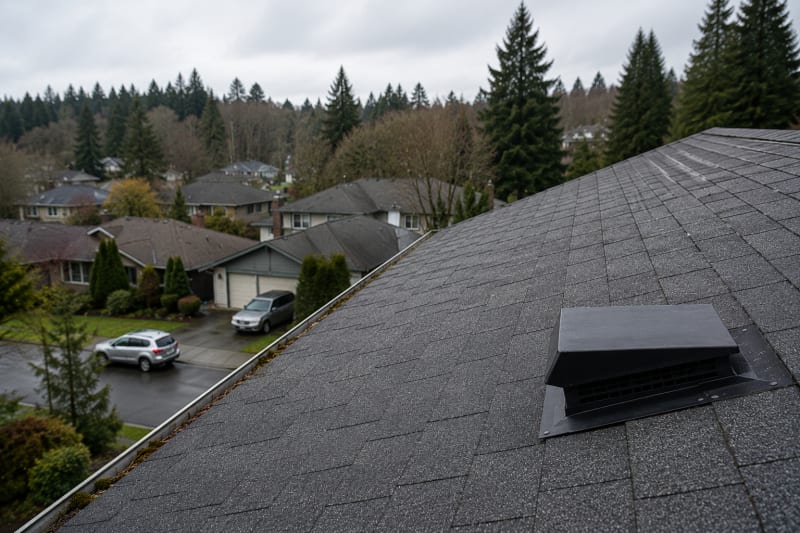
A major Portland storm can be over in a few hours, but the damage it leaves behind may not always be obvious.
You may notice a few branches in the yard, leaves covering the roof, or debris around the gutters and assume everything is fine.
Then the next time it rains, you discover a ceiling stain.
Storm damage doesn't always announce itself immediately.
High winds, falling branches, heavy rain, and flying debris can affect shingles, flashing, gutters, roof edges, vents, and other parts of a roofing system. Some damage is easy to see from the ground, while other problems may require a professional inspection.
So what should you do after a storm damages your Portland roof?
Don't panic. Don't climb onto the roof. And don't assume that no visible leak means there is no damage.
At T Mix Roofing, we've spent more than 30 years helping homeowners throughout Portland, Beaverton, Hillsboro, Tigard, Lake Oswego, Gresham, Oregon City, Milwaukie, Tualatin, Sherwood, West Linn, Happy Valley, and surrounding communities deal with roofing problems and understand what their homes need after severe weather.
Here's a practical step-by-step approach to follow after a Portland storm.
First Things First: Make Sure Everyone Is Safe
Before worrying about the roof, make sure the people inside the home are safe.
Storms can create hazards that have nothing to do with roofing.
Look for:
✔ Downed power lines – Stay away from fallen or damaged electrical lines.
✔ Fallen trees or large branches – Don't approach unstable trees or structures.
✔ Broken windows – Protect people from broken glass and other debris.
✔ Active water intrusion – If water is entering the home, move belongings away from the affected area when it is safe to do so.
✔ Structural concerns – If part of the home appears unstable, avoid the area and seek appropriate professional assistance.
Your roof can wait.
Your safety can't.
1. Don't Climb Onto Your Roof After a Storm
This is one of the most important things to remember.
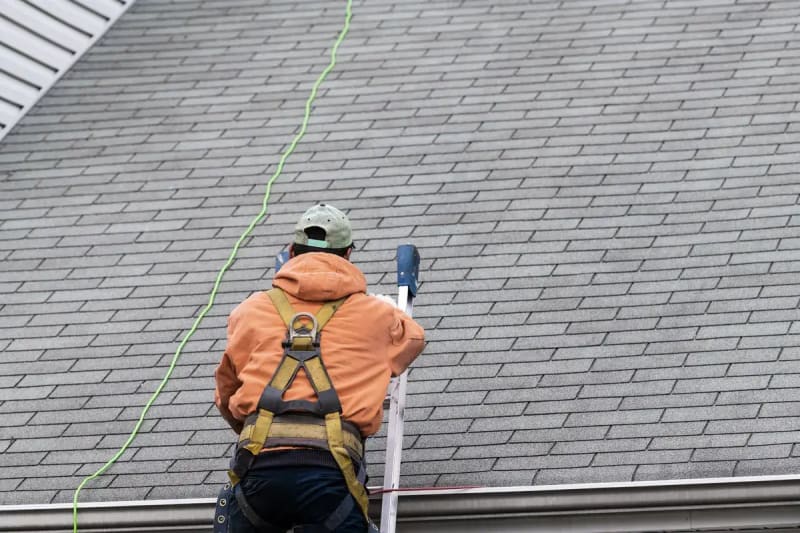
A wet roof can be extremely slippery, and storm damage may make it even more dangerous.
A homeowner looking for a missing shingle could accidentally:
• Slip on wet roofing materials
• Step through weakened decking
• Fall from the roof edge
• Encounter damaged electrical equipment
• Disturb already-damaged roofing materials
What should you do instead?
Inspect the roof from the ground.
You can safely look for obvious changes without putting yourself at unnecessary risk.
2. Look for Visible Signs of Storm Damage From the Ground
Walk around your property and look at the roof from several angles.
You may notice:
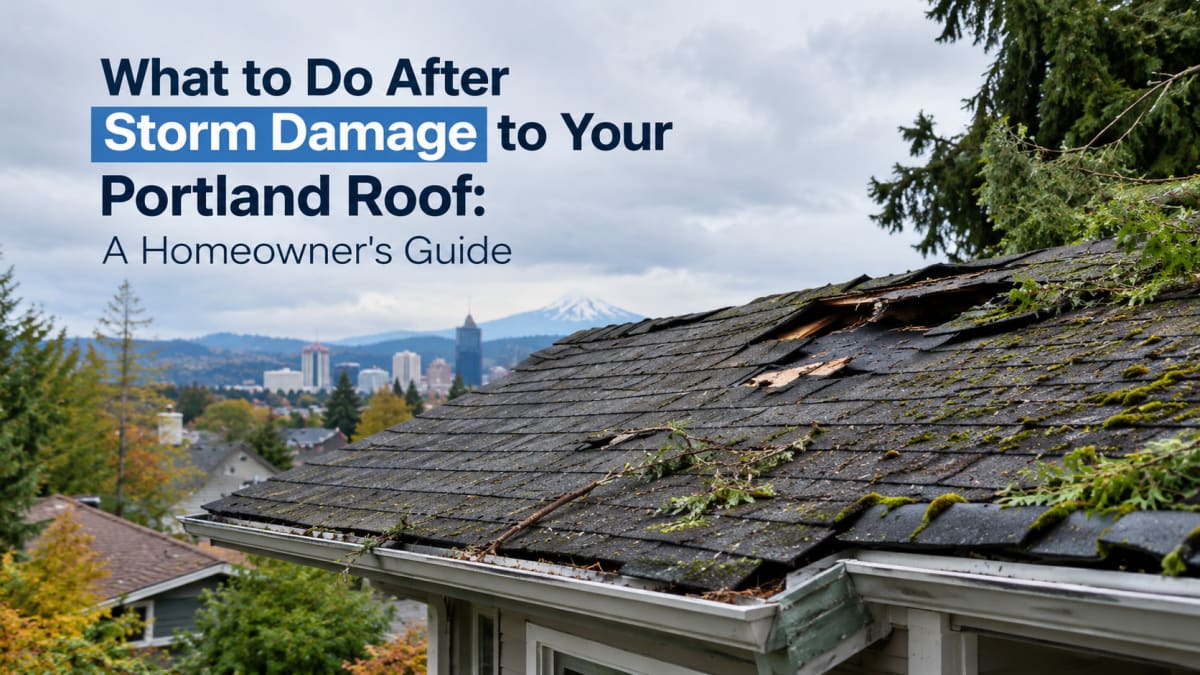
✔ Missing shingles – Look for exposed sections where shingles appear to be missing.
✔ Lifted or displaced shingles – Shingles that no longer lie flat may have been affected by wind.
✔ Broken shingles – Look for visible cracks, breaks, or pieces of roofing material in the yard.
✔ Fallen branches – Large branches touching or resting on the roof may have caused damage.
✔ Debris on the roof – Storm debris can hide damage underneath.
✔ Damaged gutters – Gutters and downspouts can be bent, separated, or pulled away during severe weather.
✔ Damaged flashing – Areas around chimneys, vents, and roof transitions can be vulnerable.
✔ Interior water stains – New stains on ceilings or walls may indicate water intrusion.
Remember: a ground-level inspection is only a first look.
It cannot tell you everything happening on the roof.
3. Check Your Attic If It Is Safe to Do So
Sometimes the first sign of storm damage appears inside the attic rather than on the roof.
If your attic is safely accessible, look for:
✔ New water stains
✔ Damp insulation
✔ Visible moisture
✔ Wet or discolored decking
✔ Light coming through areas where it shouldn't
✔ Signs of recent water intrusion
Don't climb onto unstable surfaces or investigate electrical hazards.
The goal is simply to notice obvious changes.
4. Check Your Ceilings and Interior Walls
After a significant storm, walk through the house and look at ceilings and upper walls.
Pay particular attention to areas directly beneath the roof.
Look for:
✔ New brown or yellow stains
✔ Water spots
✔ Peeling paint
✔ Bubbling drywall
✔ Damp areas
✔ Dripping water
What if you don't see any interior damage?
That's good news—but it doesn't necessarily mean your roof escaped damage.
Some roofing problems don't allow water inside immediately.
A damaged shingle or flashing component may become a problem during the next heavy rainfall.
If you notice potential storm damage, take photographs from safe locations.
Photograph:
✔ The overall roof from the ground
✔ Missing or displaced shingles
✔ Fallen branches
✔ Damaged gutters
✔ Visible debris
✔ Ceiling stains
✔ Water damage
✔ Other affected areas around the home
Try to take both wide photographs and close-up photographs where possible.
This gives you a record of the home's condition after the storm.
If you're dealing with an insurance claim, your insurance provider can explain what documentation it requires. T Mix Roofing does not provide documentation for insurance claims, so homeowners should communicate directly with their insurance company about claim requirements and coverage.
6. Don't Assume Every Problem Requires a New Roof
This is important.
Storm damage does not automatically mean roof replacement.
A professional inspection may reveal that the problem is limited to:
✔ A few damaged shingles
✔ A section of flashing
✔ A damaged vent
✔ A localized roof area
✔ Gutters or drainage components
In those situations, a repair may be appropriate.
What if the roof is already old?
That's different.
If an older roof has widespread storm damage combined with existing deterioration, replacement may make more sense than repairing one section after another.
The right answer depends on the extent of the damage and the overall condition of the roofing system.
7. Have Your Roof Professionally Inspected
Once it's safe, arrange for a professional roof inspection.
A qualified roofing professional can look more closely at areas that aren't easily visible from the ground.
An inspection may evaluate:
✔ Shingles
✔ Flashing
✔ Roof valleys
✔ Roof edges
✔ Vents and penetrations
✔ Underlayment where accessible
✔ Roof decking
✔ Gutters and drainage
✔ Signs of water intrusion
✔ Overall roofing condition
This can help determine whether you need a repair, maintenance, or more extensive work.
8. Don't Let Storm Damage Turn Into Water Damage
A damaged roof can become more vulnerable during the next rainfall.
Portland's wet climate makes this especially important.
What if the storm damaged a few shingles but the roof isn't leaking yet?
It's still worth having the damage evaluated.
A missing or displaced shingle may expose underlying materials to rain.
Likewise, damaged flashing may allow water to enter through areas that aren't immediately visible from inside the home.
The goal is to address storm-related damage before the next storm has an opportunity to make it worse.
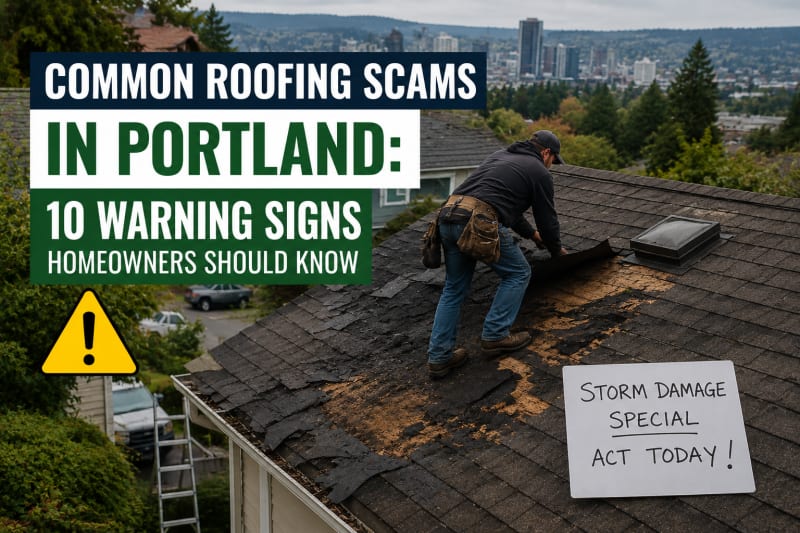
9. Be Careful With Storm-Chasing Roofing Contractors
After a major storm, homeowners may suddenly receive visits, calls, flyers, or advertisements from roofing companies.
Some may be legitimate.
But homeowners should be cautious about contractors who:
✔ Pressure you to sign immediately – You should have time to understand the proposed work.
✔ Claim your entire roof must be replaced without a proper inspection – Ask for an explanation and evidence.
✔ Promise that insurance will pay for everything – Insurance coverage depends on your policy and circumstances.
✔ Demand unusual upfront payments – Make sure payment terms are clearly explained in writing.
✔ Can't provide clear company information – Research who you're actually hiring.
✔ Use high-pressure sales tactics – Don't allow a storm to turn into a rushed roofing decision.
Storm damage can be stressful enough without adding sales pressure to the situation.
10. Don't Sign Something You Don't Understand
If a contractor gives you an estimate or contract after a storm, read it carefully.
Make sure you understand:
✔ What work will be performed
✔ Which roofing materials will be used
✔ What areas are included
✔ How damaged decking will be handled
✔ What the payment schedule is
✔ Who will perform the installation
✔ What happens if weather delays the project
✔ What warranty information applies
If something isn't clear, ask.
A major roofing decision deserves more than a quick signature on a driveway after a storm.
What If Your Roof Was Already Old Before the Storm?
This is a situation homeowners sometimes overlook.
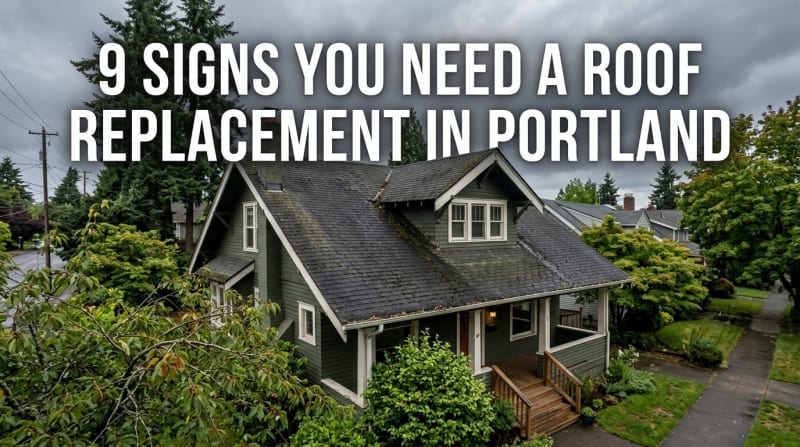
Imagine your roof was already showing:
• Curling shingles
• Granule loss
• Moss growth
• Aging flashing
• Repeated leaks
• General deterioration
Then a major storm comes through.
The storm may reveal problems that were already developing.
That's why a professional inspection should look at the entire roofing system, not simply search for one obvious storm-damaged shingle.
A storm can be the event that exposes an existing problem.
Portland Storms Can Affect More Than Shingles
When homeowners think about storm damage, they often think about missing shingles.
But your roof is a system.
Severe weather can potentially affect:
✔ Shingles – Wind and debris can damage or displace them.
✔ Flashing – Vulnerable transitions can be affected by wind and debris.
✔ Roof edges – Exposed edges may experience increased wind forces.
✔ Vents – Roof penetrations can become vulnerable.
✔ Gutters – Debris and falling branches can bend or disconnect gutters.
✔ Roof decking – Water intrusion can affect the material beneath the shingles.
✔ Attic areas – Water can enter through damaged roofing components.
That's why simply looking for missing shingles isn't always enough.
What About Moss After a Storm?
Storms can leave behind branches, leaves, and other organic debris.
In Portland's damp climate, that material can contribute to moisture retention and create favorable conditions for moss growth.
If debris remains on the roof or in drainage areas, it should be addressed appropriately.
However, homeowners shouldn't climb onto the roof to remove storm debris themselves.
A professional can determine the safest way to address the situation.
How T Mix Roofing Can Help After a Portland Storm
At T Mix Roofing, we've been serving homeowners in the Portland area for more than 30 years.
When a storm raises concerns about your roof, our goal is to help you understand what actually needs attention.
We proudly serve:
✔ Portland – Professional roof inspections, repairs, maintenance, and replacement services.
✔ Beaverton, Hillsboro, and Tigard – Helping homeowners address roofing problems following Oregon weather events.
✔ Lake Oswego and West Linn – Providing residential roofing solutions throughout these communities.
✔ Gresham and Happy Valley – Helping homeowners evaluate and maintain their roofing systems.
✔ Milwaukie, Oregon City, and Tualatin – Serving homeowners throughout the surrounding Portland area.
✔ Sherwood, Wilsonville, and nearby communities – Serving areas within approximately 20–30 miles of downtown Portland.
Our services include:
✔ Roof Inspections – Helping homeowners understand whether storm damage requires attention.
✔ Roof Repairs – Addressing damaged shingles, flashing, leaks, and other roofing problems.
✔ Roof Replacement – Replacing severely damaged or aging asphalt shingle roofing systems.
✔ Premium Architectural Shingles – Offering asphalt shingles with 30-, 40-, and 50-year lifetime options.
✔ Roof Maintenance – Helping homeowners prevent minor roofing issues from becoming larger problems.
✔ Moss Treatment – Helping manage moss growth common in Portland's damp climate.
Pro Tips From 30+ Years of Roofing Experience
✔ Safety comes first – Never climb onto a wet or visibly damaged roof after a storm.
✔ Inspect from the ground – Look for obvious signs of missing, lifted, or damaged roofing materials.
✔ Check inside the home – New ceiling stains or attic moisture can indicate water intrusion.
✔ Take photographs – Document visible damage from safe locations.
✔ Don't assume no leak means no damage – Some problems may not allow water inside immediately.
✔ Don't rush into a contract – A storm can create urgency, but your roofing decision still deserves careful consideration.
✔ Ask questions – Understand what damage was found and why a particular repair or replacement is recommended.
✔ Get professional help – A proper inspection can reveal problems that aren't visible from the ground.
✔ Address problems promptly – Waiting through several more storms can allow a small roofing problem to become a much larger one.
Frequently Asked Questions
What should I do immediately after a storm damages my roof?
Start by making sure everyone in the home is safe. Then inspect the roof from the ground for obvious signs of damage, check for interior water intrusion if it's safe to do so, document what you see, and arrange for a professional roof inspection.
Should I climb onto my roof to check for storm damage?
No. Wet or damaged roofing can be extremely dangerous to walk on. A ground-level inspection is safer, and a qualified roofing professional can perform a closer evaluation when conditions allow.
Does storm damage automatically mean I need a new roof?
No. Some storm damage can be repaired without replacing the entire roof. The appropriate solution depends on the extent of the damage, the age and condition of the existing roof, and the condition of the underlying roofing components.
What if my roof isn't leaking after the storm?
A lack of an immediate leak is encouraging, but it doesn't guarantee that the roof is undamaged. Missing shingles, damaged flashing, or other problems may become apparent during subsequent rainfall.
Should I contact my insurance company after storm damage?
If you believe your home has suffered covered storm damage, contact your insurance provider directly and ask about its inspection and claim procedures. Coverage varies by policy and circumstance.
How quickly should I have storm damage inspected?
It's generally better to have suspected damage evaluated sooner rather than later, particularly with Portland's frequent rainfall. Early evaluation can help identify problems before additional weather makes them worse.
Does T Mix Roofing provide insurance claim documentation?
No. T Mix Roofing does not provide documentation for insurance claims. Homeowners should communicate directly with their insurance provider regarding coverage, claim requirements, and documentation.
Does T Mix Roofing provide emergency roofing services?
We do not operate as a 24/7 emergency roofing company. However, if a client has an urgent roofing concern, we prioritize those situations as quickly as possible within our schedule. We recommend contacting us immediately if you suspect serious damage.
Final Thoughts
A Portland storm can leave behind damage that is obvious—or damage that remains hidden until the next rainfall.
That's why the best response isn't to panic or immediately agree to a roof replacement.
Start with safety. Inspect what you can from the ground. Document visible damage. Check your home for signs of water intrusion. Then have the roofing system professionally evaluated.
Most importantly, don't let storm-related stress push you into making a rushed decision.
At T Mix Roofing, we've proudly served homeowners throughout Portland, Beaverton, Hillsboro, Tigard, Lake Oswego, Gresham, Oregon City, Milwaukie, Tualatin, Sherwood, West Linn, Happy Valley, and surrounding communities for more than 30 years.
Whether your roof needs a repair, maintenance, or a complete replacement, understanding the actual condition of your roofing system is the first step toward making the right decision.
If your Portland roof has been affected by wind, falling branches, heavy rain, or other storm-related conditions, contact T Mix Roofing to schedule a professional roof inspection and find out what your roof actually needs.