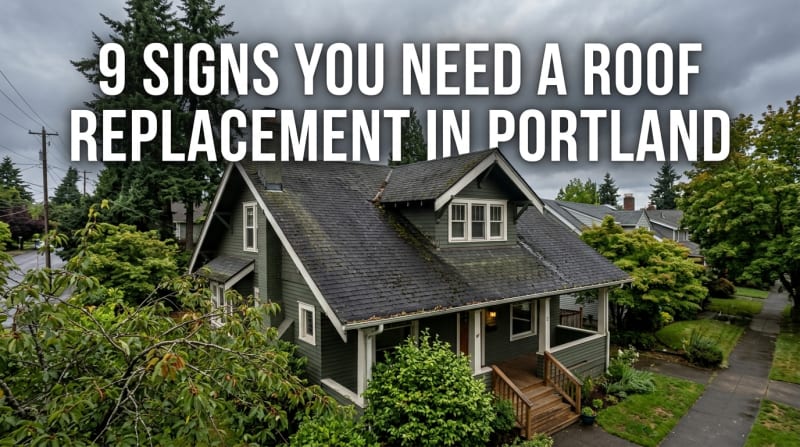
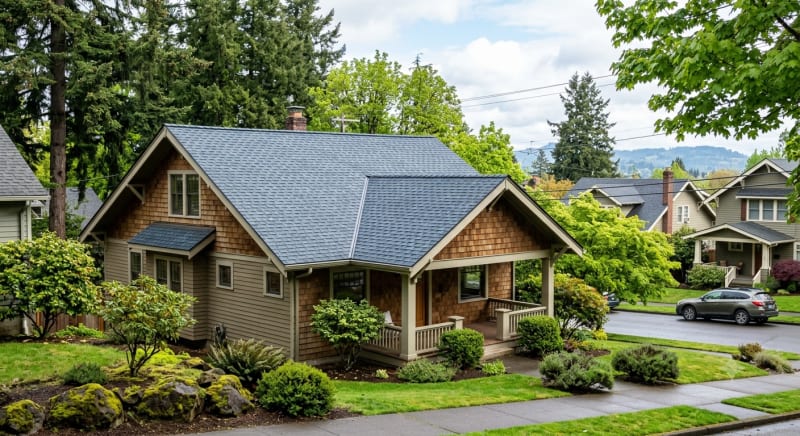
Owning a home in Portland means your roof has to handle months of rain, persistent moisture, moss growth, falling leaves, wind, and changing temperatures year after year.
Most roofing problems do not start with a major leak or obvious storm damage. They usually begin with smaller decisions—putting off an inspection, choosing the cheapest repair, overlooking flashing, or assuming the roof is fine because the shingles still look good from the street.
At TMIX Roofing, we have spent more than 30 years helping homeowners throughout Portland and surrounding communities maintain, repair, and replace their roofs. One thing we see repeatedly is that small roofing mistakes can become expensive when they are left unresolved.
Here are five costly roofing mistakes Portland homeowners should avoid.
1. Waiting for a Leak Before Having the Roof Checked
Many homeowners assume they will know when their roof has a problem because water will eventually appear inside the house.
Unfortunately, visible leaks are often a late warning sign.
Water can enter through damaged flashing, worn roofing materials, cracked sealant, roof penetrations, or small openings and travel through the roofing system before it becomes noticeable indoors.
By the time a ceiling stain appears, moisture may already have affected:
✔ Roof decking
✔ Attic insulation
✔ Rafters or framing
✔ Drywall
✔ Interior paint
✔ Areas around vents or chimneys
Why This Is Especially Important in Portland
Portland's long rainy season gives small openings repeated opportunities to let moisture into the roofing system.
A problem that remains relatively unnoticed during dry summer weather can become much more obvious after weeks of steady rain.
Do not use an interior leak as your only signal that the roof needs attention.
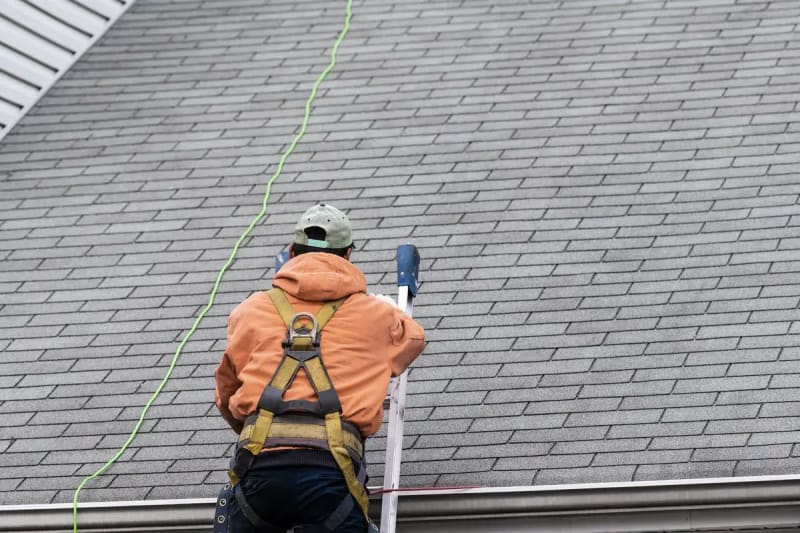
Consider a professional roof evaluation if you notice:
✔ Missing or damaged shingles
✔ Curling or cracked roofing materials
✔ Worn flashing
✔ Moss buildup
✔ Granules collecting in gutters
✔ Water staining in the attic
✔ Loose roofing around vents
✔ Repeated gutter overflow
TMIX Roofing's homeowner guidance also encourages homeowners to look for warning signs such as loose shingles, worn granules, curling materials, rot, and moss rather than waiting until the roofing system fails completely.
2. Choosing a Roofing Contractor Based Only on the Lowest Price
Roofing estimates can vary significantly, and it is understandable for homeowners to compare prices.
But choosing a roofing contractor based only on the lowest number can be an expensive mistake.
Two estimates that appear similar at first glance may include very different materials, installation methods, warranties, ventilation work, flashing details, cleanup procedures, or allowances for damaged roof decking.
A Lower Bid May Leave Out Important Work
Before selecting a roofing contractor, make sure you understand what the proposal actually includes.
Questions worth asking include:
✔ What roofing material and product line will be installed?
✔ Is old roofing being removed?
✔ What type of underlayment will be used?
✔ Are flashing and pipe boots being replaced?
✔ How will ventilation be handled?
✔ What happens if damaged roof decking is found?
✔ Is cleanup included?
✔ Is there a workmanship warranty?
✔ Are the installers employees or subcontractors?
TMIX Roofing's homeowner guide recommends hiring licensed, bonded, and insured roofing professionals and understanding how the roof will be installed and protected throughout the project.
Price Matters, but Scope Matters More
A roofing estimate should be evaluated based on the complete scope of work, not only the final price.
Paying slightly less for an incomplete roofing system can cost substantially more if missing details lead to leaks or premature repairs later.
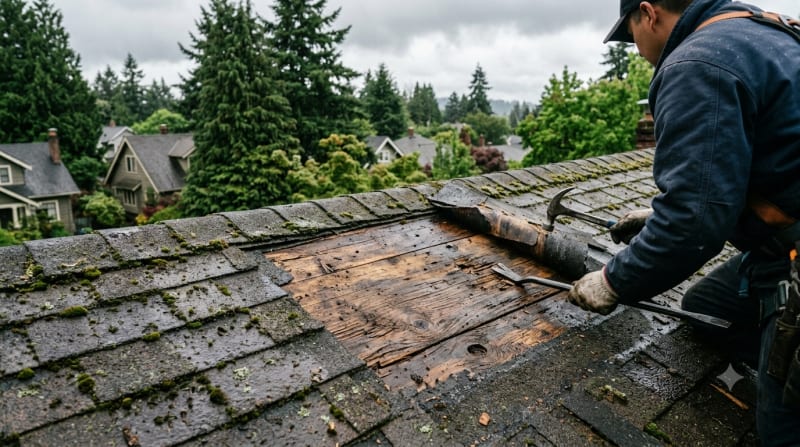
3. Treating Moss as Only a Cleaning Problem
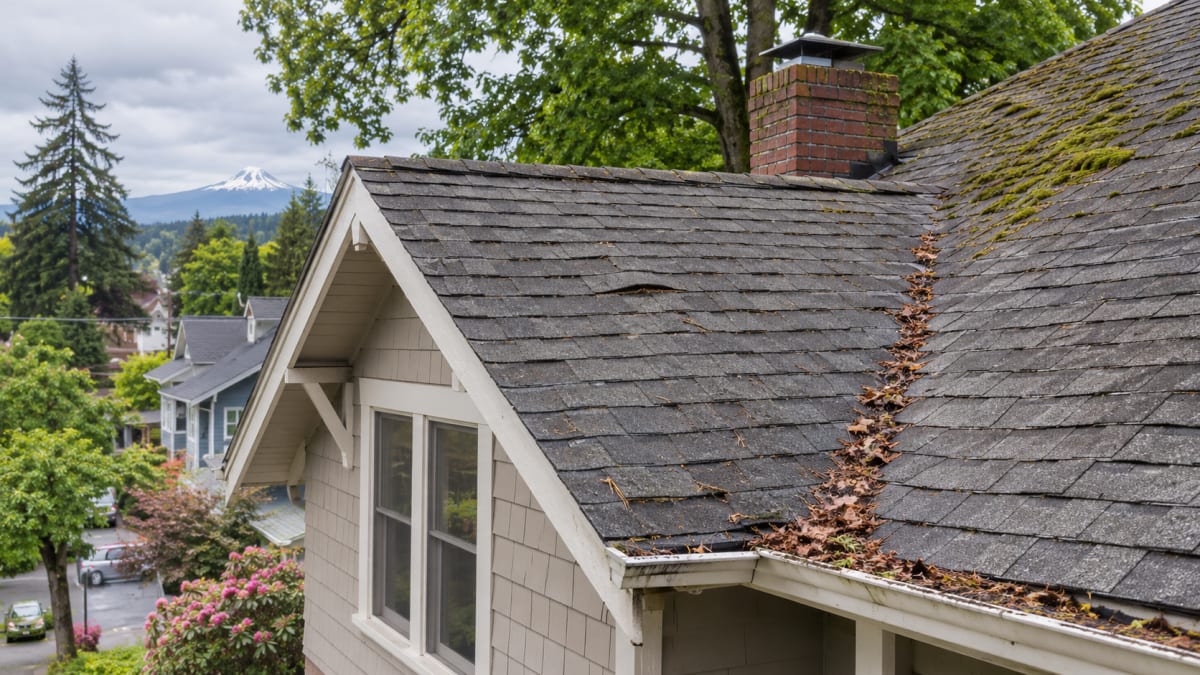
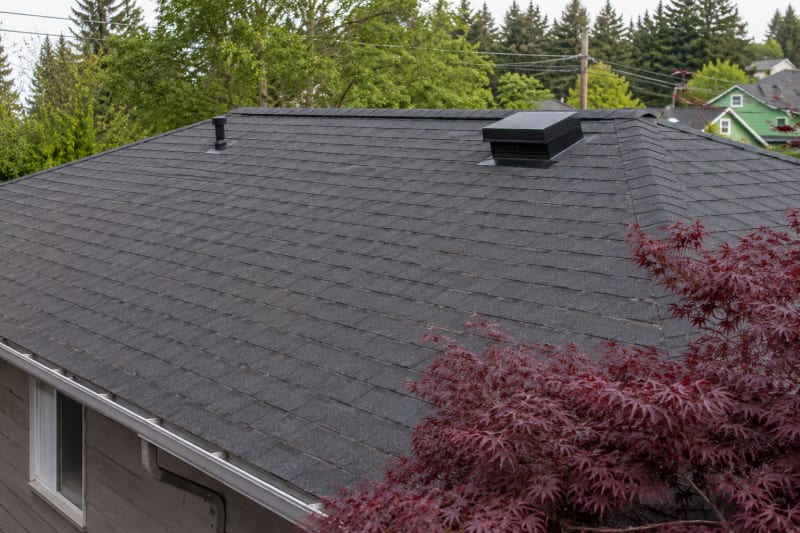
Moss is extremely common on Portland roofs, especially on homes surrounded by trees or in areas where the roof receives significant shade.
Homeowners sometimes treat moss as a cosmetic problem: clean the green material off the roof and consider the issue solved.
But heavy moss may be telling you something about the conditions around the roof.
Moss Can Be a Symptom, Not Just the Problem
Moss may indicate:
Roof sections that stay damp for long periods
Heavy tree shade
Accumulated organic debris
Poor drainage around valleys
Clogged gutters
Aging roofing materials
Your roof may need more than cleaning.
Once moss is removed, the roofing material underneath should also be evaluated for damage, deterioration, or lifted shingles.
TMIX Roofing's existing Portland roofing guidance notes that moss traps moisture against the roofing surface and can contribute to shingle separation and premature deterioration.
A better approach is to combine moss treatment with an overall roof evaluation.
That may include:
Removing loose moss safely
Treating remaining growth
Cleaning gutters
Clearing roof valleys
Inspecting shingles underneath affected areas
Checking surrounding trees and shade
Evaluating drainage
The goal should not simply be to make the roof look clean. It should be to understand why moss is developing and whether the roof underneath remains in good condition.
4. Repairing the Same Aging Roof Over and Over
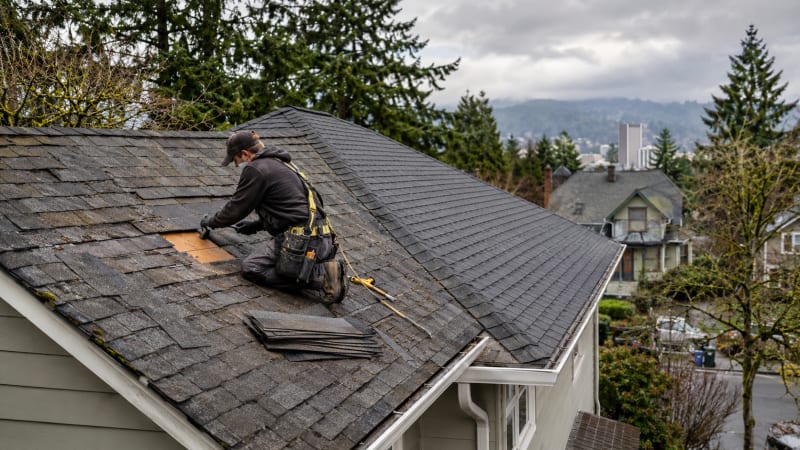
Roof repair can be an excellent option when damage is localized and the rest of the roofing system is still performing well.
However, there comes a point when repeated repairs may no longer be the most economical choice.
Some homeowners continue repairing one area after another because replacing the roof feels like a much larger expense.
Over time, the combined cost of repeated repairs can become significant—especially if new problems continue appearing.
Signs That Repeated Repair May No Longer Make Sense
Consider having the entire roof evaluated if:
Multiple leaks have occurred in different areas
Repairs are becoming more frequent
Large portions of the shingles are worn
Flashing is deteriorating in several locations
The roof is approaching the end of its service life
Granule loss is widespread
Roof decking problems are appearing
Previous patches are starting to fail
Repair vs. Replacement Should Be a Condition-Based Decision
A professional roofing contractor should not recommend replacement simply because a roof has one problem.
But the opposite is also true: repeatedly patching a roof that is deteriorating throughout may only postpone an inevitable replacement while increasing total costs.
The best decision should consider:
Current roof age
Overall condition
Remaining service life
Repair history
Type of roofing material
Extent of damage
Long-term cost
5. Looking Only at the Shingles and Ignoring the Rest of the Roofing System
When homeowners think about a roof, they usually think about shingles.
But shingles are only one part of the roofing system.
A roof can have shingles that still appear acceptable while developing problems elsewhere.
Common Problem Areas Include
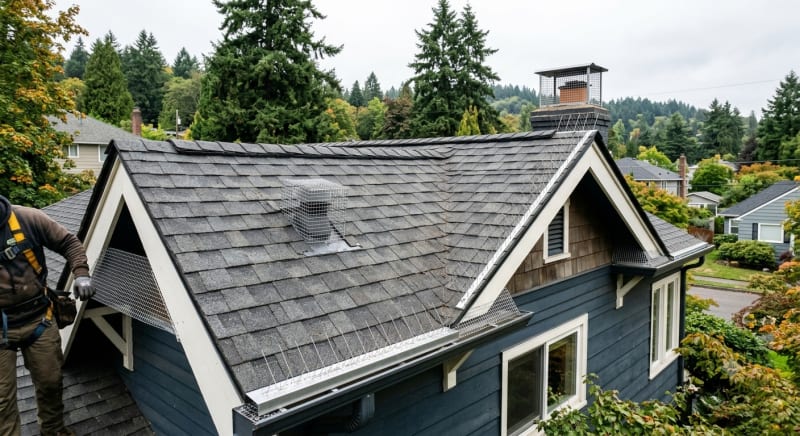
Metal flashing around chimneys, walls, valleys, skylights, and other transitions helps keep water out of vulnerable areas.
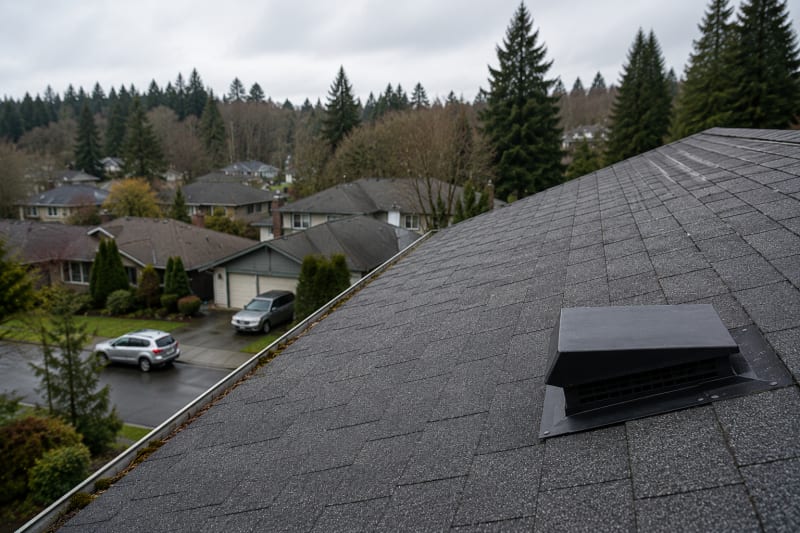
Pipe Flashings and Roof Penetrations
Rubber boots and seals around plumbing vents can deteriorate even when the surrounding shingles still look fine.
Valleys carry significant amounts of rainwater and can become vulnerable if debris, moss, or damaged roofing materials interfere with drainage.
Poor attic ventilation can contribute to heat and moisture buildup, potentially affecting both roofing materials and the structure underneath.
A roof also depends on an effective drainage system. When gutters become clogged, water may overflow around roof edges and fascia.
TMIX Roofing's current Portland homeowner guidance specifically identifies loose shingles, granule wear, curling, moss, and wood deterioration as signs homeowners should watch for, while its roofing process also includes inspection of decking, flashing, underlayment, and other system components.
Think of the roof as a complete system rather than a layer of shingles.
A thorough evaluation should consider:
Roofing material
Underlayment
Decking
Flashing
Ventilation
Pipe penetrations
Roof valleys
Ridge areas
Gutters
Downspouts
Sometimes the most important roofing problem is not visible from the street.
What Should Portland Homeowners Do Instead?
Avoiding these mistakes does not require constantly worrying about your roof.
A few practical habits can make a major difference.
Check Your Roof Regularly
Look at the roof from the ground periodically and pay attention to obvious changes.
Watch for missing shingles, moss, unusual discoloration, damaged flashing, or debris accumulation.
Keep Gutters and Downspouts Clear
Portland's trees can fill gutters quickly during fall.
Your roof and gutter system work together, so keeping drainage clear is an important part of protecting the roof.
TMIX Roofing's existing winter-preparation guidance emphasizes checking gutters, downspouts, moss, damaged shingles, flashing, attic moisture, and small repairs before Portland's wettest weather arrives.
Address Small Repairs Early
A small repair today may prevent moisture from reaching decking, insulation, or interior finishes later.
Have Moss Managed Before It Becomes Heavy
Do not wait until thick moss covers large areas of the roof before taking action.
Know the Age of Your Roofing System
Even a roof that looks acceptable from the ground may be approaching the end of its useful service life.
Knowing approximately when it was installed helps you plan ahead instead of being surprised by an emergency replacement.
When Should You Call a Portland Roofing Contractor?
Consider having the roof professionally evaluated if you notice:
Active or recurring leaks
Missing shingles
Loose or damaged flashing
Heavy moss growth
Widespread granule loss
Curling shingles
Water stains in the attic
Gutter problems
Repeated repairs
Signs of wood deterioration
A roof approaching the end of its expected lifespan
The goal of an inspection should be to understand the condition of the roof and determine whether maintenance, repair, or replacement is actually necessary.
Frequently Asked Questions
What is the biggest roofing mistake Portland homeowners make?
One of the biggest mistakes is waiting until a roof begins leaking before having it evaluated. Small flashing, drainage, or material problems may exist well before water becomes visible inside the home.
Should I replace my roof if it has moss?
Not necessarily. Moss alone does not automatically mean a roof needs replacement. The moss should be addressed safely, and the roofing material underneath should be inspected to determine whether damage has occurred.
Final Thoughts
Most costly roofing problems do not begin as emergencies.
They begin with small warning signs that are easy to ignore: a little moss, an aging pipe flashing, one recurring leak, a clogged gutter, or another repair on a roof that is already nearing the end of its life.
Portland's wet climate can turn those small issues into larger problems faster than many homeowners expect.
Avoiding the five mistakes above can help you make better roofing decisions, protect your home, and reduce the risk of unexpected repairs.
If you are unsure about the condition of your roof, TMIX Roofing can inspect the system and help determine whether maintenance, repair, or replacement makes the most sense.
Contact TMIX Roofing today to schedule a roof evaluation or request a free roofing estimate in Portland, OR.