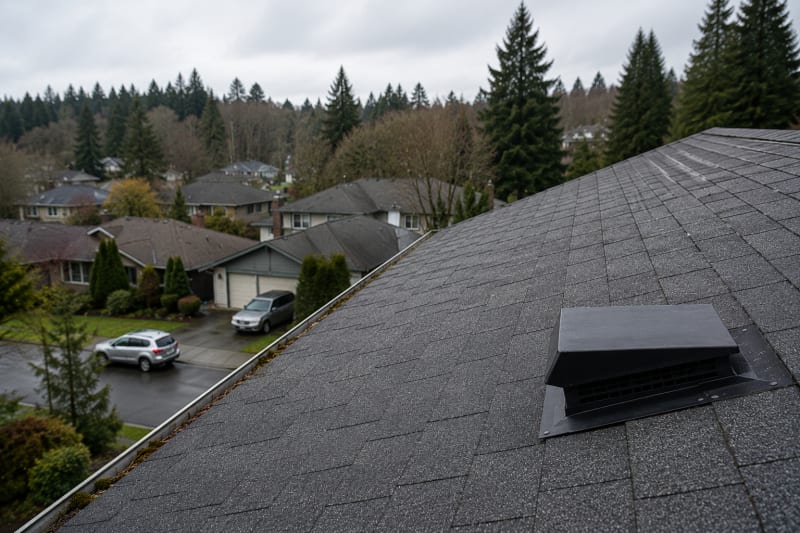
Portland winters may not bring the extreme snow and freezing temperatures seen in some parts of the country, but that doesn't mean your roof gets an easy season.
For Portland homeowners, winter usually means weeks of rain, high humidity, strong winds, falling leaves, moss growth, and persistent moisture. All of these conditions can expose weaknesses in a roofing system that may have gone unnoticed during the drier months.
The question is: Is your roof actually ready for another Portland winter?
At T Mix Roofing, we've spent more than 30 years helping homeowners protect their roofs throughout Portland, Beaverton, Hillsboro, Tigard, Lake Oswego, Gresham, Oregon City, Milwaukie, Tualatin, Sherwood, West Linn, Happy Valley, and surrounding communities within approximately 20–30 miles of downtown Portland.
We've learned that preparing a roof before winter is much easier than discovering a problem in the middle of a long rainy season.
This guide explains what Portland homeowners should check before winter arrives and what could happen if small problems are left untreated.
Why Winter Preparation Matters for Portland Roofs
A roof doesn't suddenly become damaged when winter arrives.
Usually, the problem already exists.
A loose shingle may have been sitting unnoticed for months. A small flashing gap may have developed around a chimney. Moss may have slowly spread across a shaded roof slope. Gutters may already be packed with leaves.
Then the rain begins.
Portland's winter weather gives these small weaknesses plenty of opportunities to become larger problems.
Consider these situations:
What if a small opening allows rainwater underneath your shingles for several weeks?
What if leaves block a gutter and rainwater begins overflowing against your roof edge?
What if moss has lifted several shingles before the rainy season even begins?
What if a flashing problem only becomes noticeable during a heavy storm?
Preparing your roof ahead of time can help identify these issues before winter weather puts additional stress on your roofing system.
1. Schedule a Professional Roof Inspection Before Winter
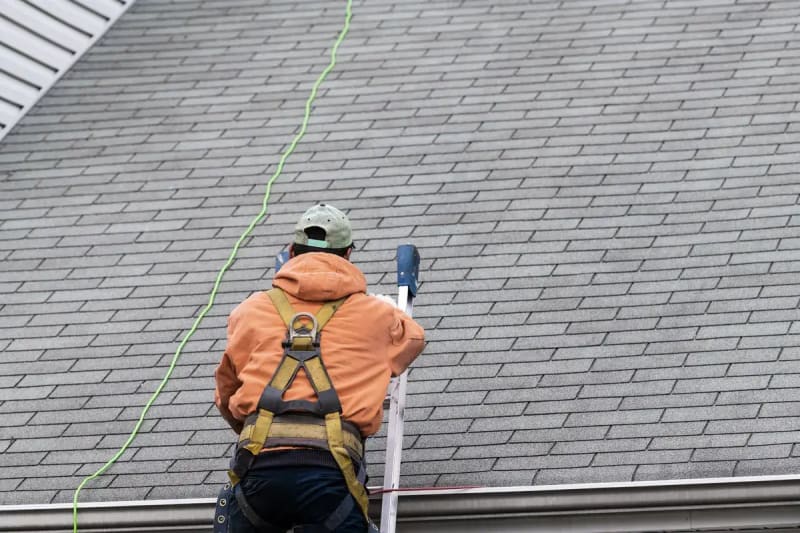
One of the best ways to prepare your roof for winter is to have it professionally inspected before the rainy season becomes intense.
A professional inspection can identify problems that aren't obvious from the ground.
At T Mix Roofing, areas of concern may include:
✔ Damaged or Missing Shingles – Loose, cracked, or missing shingles can leave sections of your roof vulnerable to Portland's persistent rain.
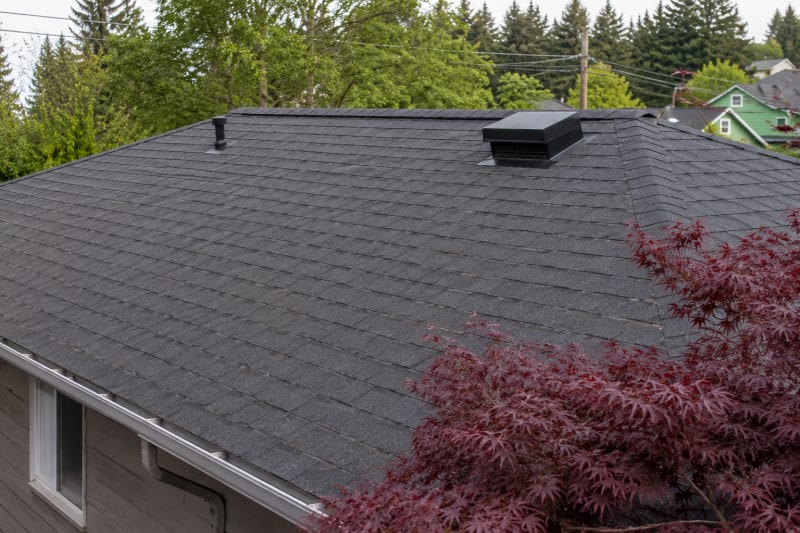
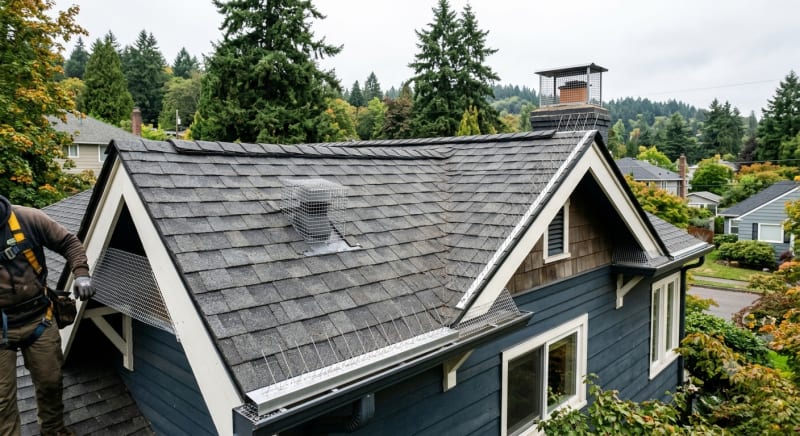
✔ Flashing – Flashing around chimneys, vents, skylights, and roof-to-wall intersections should be checked for separation or deterioration.
✔ Roof Valleys – Valleys carry large amounts of rainwater and need to remain clear and properly sealed.
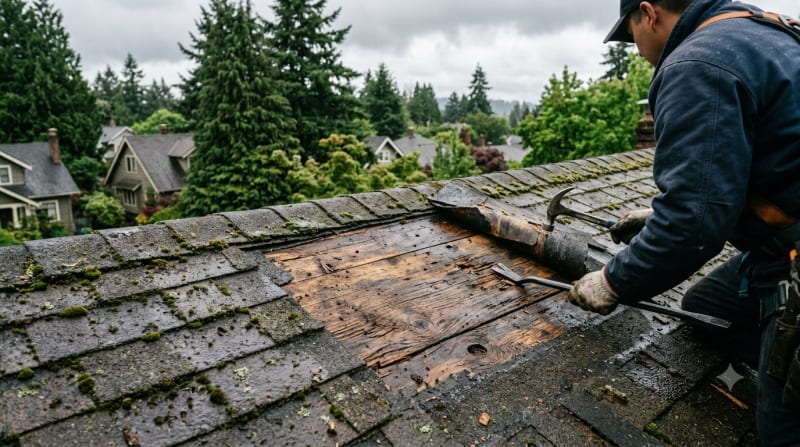
✔ Roof Decking – Signs of moisture damage or deterioration beneath the shingles can indicate a more serious roofing problem.
✔ Ventilation – Proper attic ventilation helps control heat and moisture throughout the year.
An inspection before winter gives you an opportunity to address problems while weather conditions are more manageable.
2. Clean Your Gutters and Downspouts
Your roof and gutters work together.
When gutters are clogged, rainwater can't leave the roof efficiently. Instead, it may overflow along the roof edge or collect in areas where it shouldn't.
Portland's fall leaves make this particularly important.
Look for:
✔ Leaves and Pine Needles – Accumulated debris can block water from flowing freely through the gutter system.
✔ Moss and Organic Material – Moss washed from the roof can collect inside gutters and contribute to blockages.
✔ Slow Drainage – Water that drains slowly may indicate a partially blocked gutter or downspout.
✔ Sagging Gutters – Gutters that no longer maintain the correct slope may not move water effectively.
What if you clean the gutters but ignore the downspouts?
Water may still back up during heavy rainfall.
Make sure the entire drainage system is working properly—not just the visible section of the gutters.
3. Check Your Roof for Moss Growth
Moss is particularly common on Portland roofs because of our damp climate.
While a small amount of moss may not seem urgent, allowing it to spread can create long-term problems.
Moss can:
✔ Trap Moisture – Moss holds water against the roofing surface and keeps shingles damp for longer periods.
✔ Lift Shingles – Thick growth can work underneath shingle edges and gradually lift them.
✔ Hide Roof Damage – Heavy moss can make it difficult to see cracked or deteriorated shingles.
✔ Accelerate Roof Aging – Persistent moisture can contribute to premature deterioration of asphalt shingles.
If moss is present, it's better to address it before the wettest part of the season rather than allowing it to grow unchecked.
4. Look for Damaged or Missing Shingles
Take a look at your roof from the ground using binoculars.
You don't need to climb onto the roof to identify some obvious warning signs.
Look for:
✔ Missing Shingles – Empty areas can expose the roofing system to rain and wind.
✔ Cracked Shingles – Cracks may allow moisture to reach the layers beneath.
✔ Curling Shingles – Curled edges can indicate aging or weather-related deterioration.
✔ Loose Shingles – Shingles that appear lifted may be vulnerable to strong winds.
What if you only see one damaged shingle?
Don't automatically assume it's insignificant.
Water doesn't need a large opening to enter a roofing system. Addressing a small problem before months of rain is often much easier than dealing with the resulting moisture damage later.
5. Inspect Flashing Around Vulnerable Areas
Some of the most important parts of your roof aren't large areas of shingles.
They're the small transitions where different materials meet.
Pay particular attention to:
✔ Chimney Flashing – Damaged or separated flashing can allow water around the chimney structure.
✔ Plumbing Vent Flashing – Deteriorated seals can create leak points around pipes.
✔ Skylight Flashing – Water can enter if flashing or surrounding roofing materials have deteriorated.
✔ Roof-to-Wall Intersections – These areas require proper flashing to direct water away from vulnerable joints.
✔ Roof Valleys – Valleys receive concentrated water flow and should remain free of debris and damage.
If you notice anything unusual around these areas, a professional inspection is worthwhile.
6. Check Your Attic for Signs of Moisture
Preparing your roof for winter isn't only about looking at the outside.
Your attic can provide valuable clues about the condition of your roofing system.
Look for:
✔ Damp Insulation – Wet insulation can indicate a moisture problem.
✔ Water Stains – Staining on wood or other surfaces may suggest previous or active moisture intrusion.
✔ Condensation – Excess moisture inside the attic can indicate ventilation problems.
✔ Mold or Mildew – Persistent moisture can create conditions where mold growth becomes more likely.
✔ Daylight Through the Roof – Visible openings may indicate areas where water can enter.
What if your attic smells damp but you can't find a leak?
The problem may involve condensation or inadequate ventilation rather than a straightforward roof leak. Either way, it deserves investigation before winter moisture increases.
7. Make Sure Your Attic Ventilation Is Working Properly
A healthy roofing system needs proper airflow.
During winter, warm indoor air can migrate into the attic. If moisture isn't properly controlled, condensation can develop on colder surfaces.
Poor attic ventilation can contribute to:
✔ Moisture buildup – Excess humidity can affect insulation and roof components.
✔ Condensation – Water vapor can condense on cold surfaces inside the attic.
✔ Mold growth – Persistent moisture creates favorable conditions for mold.
✔ Premature shingle aging – Poor ventilation can contribute to roofing material deterioration over time.
Proper ventilation helps your roof and attic handle Portland's seasonal changes more effectively.
8. Trim Problematic Tree Branches
Portland's trees are beautiful, but branches hanging directly over your roof can create maintenance problems.
During winter storms, weak branches can break and fall onto roofing materials.
Overhanging branches can also:
✔ Scratch shingles – Repeated contact can wear roofing surfaces.
✔ Drop leaves and debris – This contributes to clogged gutters and roof drainage problems.
✔ Create shade – Excessive shade keeps roof surfaces damp and encourages moss growth.
✔ Increase storm damage risk – Large branches may damage shingles during strong winds.
If branches are close to your roof, consider having them safely trimmed before the stormiest part of the season.
9. Check Your Roof Drainage Before Heavy Rain Arrives
Rainwater needs somewhere to go.
If water can't drain properly, it can accumulate around vulnerable parts of your roof.
Check for:
✔ Blocked gutters – Blockages prevent rainwater from leaving the roof efficiently.
✔ Blocked downspouts – Even clean gutters won't work correctly if downspouts are clogged.
✔ Debris in roof valleys – Leaves and branches can interrupt normal water flow.
✔ Standing water – Persistent water accumulation deserves professional attention.
Good drainage is especially important in Portland because your roof may receive repeated heavy rainfall throughout the winter.
10. Don't Ignore Small Repairs Before Winter
Winter is not the time to discover that your roof has a problem.
If you've already noticed:
✔ A small leak – Don't wait for the next major storm to see whether it becomes worse.
✔ A loose shingle – Strong winds may turn a small issue into missing roofing materials.
✔ Damaged flashing – Water can repeatedly enter through even small flashing failures.
✔ Growing moss – Wet winter conditions can accelerate moss growth.
✔ Granules in gutters – Excessive granule loss may indicate aging or deteriorating shingles.
The earlier these issues are evaluated, the more options you may have for addressing them.
What If You Wait Until the First Big Winter Storm?
This is where many homeowners get caught off guard.
Imagine discovering a roof leak after several days of heavy rain.
You look into the attic and notice damp insulation.
Then you discover a water stain on the ceiling.
The original problem might have been a small flashing failure that could have been identified months earlier.
Now the moisture may have spread beyond the original area.
That's why pre-winter roof maintenance isn't simply about preventing leaks—it's about finding vulnerabilities before Portland's weather has a chance to exploit them.
A Simple Pre-Winter Roof Checklist for Portland Homeowners
Before the rainy season gets underway, consider checking these areas:
✔ Roof Surface – Look for missing, cracked, curling, or loose shingles from the ground.
✔ Moss Growth – Check shaded areas and north-facing roof slopes for expanding moss.
✔ Gutters – Remove leaves, moss, and debris so rainwater can flow freely.
✔ Downspouts – Make sure water can exit without obstruction.
✔ Flashing – Inspect visible flashing around chimneys, vents, and other roof openings.
✔ Roof Valleys – Make sure valleys are free from accumulated leaves and debris.
✔ Attic – Look for moisture, condensation, stains, damp insulation, or mold.
✔ Tree Branches – Trim branches that are touching or hanging dangerously close to the roof.
✔ Roof Inspection – Have a professional evaluate areas you can't safely inspect yourself.
Why Portland Homeowners Choose T Mix Roofing
At T Mix Roofing, we've spent more than 30 years helping homeowners prepare for Portland's challenging weather conditions.
We proudly serve:
✔ Portland – Providing roof inspections, repairs, maintenance, and roof replacement services for local homeowners.
✔ Beaverton and Hillsboro – Helping homeowners protect their roofing systems from persistent rain and seasonal weather.
✔ Tigard and Lake Oswego – Providing dependable roofing solutions for homes throughout these Portland-area communities.
✔ Gresham and Happy Valley – Helping homeowners address roof maintenance and repair needs before problems become more serious.
✔ Milwaukie, Oregon City, West Linn, and Tualatin – Providing professional roofing services for homeowners throughout the surrounding area.
✔ Sherwood, Wilsonville, and nearby communities – Serving homeowners within approximately 20–30 miles of downtown Portland.
Our roofing services include
✔ Roof Inspections – Thorough evaluations designed to identify potential problems before they become major repairs.
✔ Roof Repairs – Professional repairs for damaged shingles, flashing, leaks, and other roofing issues.
✔ Roof Replacement – Complete replacement using quality asphalt roofing materials suited to residential applications.
✔ Premium Architectural Shingles – Attractive, durable asphalt shingles available in 30-, 40-, and 50-year lifetime options.
✔ Roof Maintenance – Preventative care designed to help extend the life of your roofing system.
✔ Moss Treatment Recommendations – Solutions designed to help manage Portland's persistent moss growth and protect asphalt shingles.
Pro Tips From 30+ Years of Roofing Experience
✔ Prepare before the rain becomes constant – Finding and addressing roofing problems during better weather is much easier than waiting for a winter storm.
✔ Don't judge your roof only by its appearance – A roof can look good from the street while still having hidden flashing, ventilation, or moisture problems.
✔ Keep gutters clean throughout the season – One gutter cleaning before winter may not be enough when Portland trees continue dropping leaves.
✔ Pay attention to moss – Moss that looks minor in late summer can spread rapidly once wet weather returns.
✔ Inspect your attic – The attic can reveal moisture problems that aren't visible from outside.
✔ Don't walk on a wet roof – Wet moss and shingles can be extremely slippery. Leave roof access to trained professionals whenever possible.
Frequently Asked Questions
When should I prepare my roof for winter in Portland?
Late summer and early fall are generally good times to evaluate your roof before the wettest part of the season arrives. Preparing early gives you more time to identify and address potential problems.
Do I need a professional roof inspection before every winter?
An annual inspection is a good maintenance practice for most homeowners, particularly for older roofs or properties exposed to heavy shade, moss, trees, and frequent weather exposure.
What should I check on my roof before winter?
Look for missing or damaged shingles, moss, clogged gutters, damaged flashing, blocked drainage areas, and signs of moisture in the attic. A professional can safely evaluate areas that aren't visible from the ground.
Can moss cause winter roof leaks?
Moss can trap moisture against shingles and may lift shingle edges as it grows. This can increase the risk of water entering beneath the roofing materials, particularly during Portland's extended rainy season.
Should I clean my gutters before winter?
Yes. Clean gutters and functioning downspouts help direct Portland's heavy rainfall away from the roof edge and home. They should also be monitored during the season because leaves and debris can accumulate again.
Final Thoughts
Preparing your roof for winter isn't about trying to predict every storm. It's about making sure your roofing system is in good condition before Portland's rain, wind, and moisture put it to the test.
A few simple steps—cleaning gutters, checking for moss, inspecting shingles and flashing, evaluating attic ventilation, trimming problem branches, and scheduling a professional roof inspection—can help identify vulnerabilities before they turn into major problems.
At T Mix Roofing, we've proudly served homeowners throughout Portland, Beaverton, Hillsboro, Tigard, Lake Oswego, Gresham, Oregon City, Milwaukie, Tualatin, Sherwood, West Linn, Happy Valley, and surrounding communities for more than 30 years. We understand the challenges Portland's wet climate can create for residential roofing systems, and our goal is to help homeowners make informed decisions about roof maintenance, repairs, and replacement.
If your roof hasn't been inspected recently, don't wait until the middle of the rainy season to find out whether it's ready. Contact T Mix Roofing for a professional roof evaluation and give your Portland home the protection it needs before winter arrives.