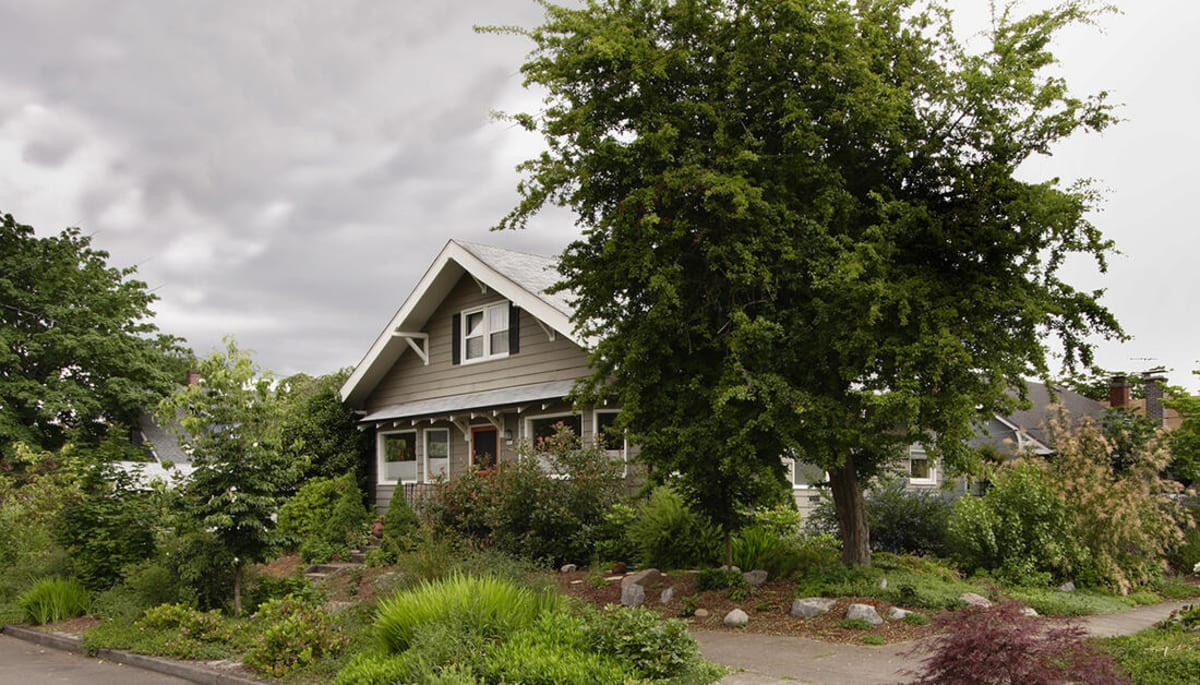
Portland is known for its beautiful trees, mature neighborhoods, and green surroundings. Trees can add shade, privacy, curb appeal, and natural beauty to a property—but when branches, leaves, and moisture interact with your roof, they can also create problems that homeowners may not notice right away.
A tree does not have to fall on your house to cause roof damage. Overhanging branches can repeatedly scrape shingles, leaves can collect in valleys and gutters, and shaded areas can stay damp long enough to encourage moss and organic growth.
For Portland homeowners, understanding the relationship between trees and roof maintenance can help prevent small problems from becoming larger roofing repairs.
At T Mix Roofing, we have seen how Portland's wet climate, mature trees, moss, debris, and shaded roof areas can work together to affect roof performance. The good news is that many tree-related roof problems can be reduced with regular inspections and proactive maintenance.
Why Trees Can Be a Problem for Portland Roofs
Trees themselves are not necessarily bad for a roof. The problem usually comes from proximity, overhanging branches, falling debris, shade, and moisture.
A roof underneath or directly beside large trees is exposed to more organic debris than a roof in an open area.
Over time, that debris can collect in places where water needs to flow freely.
✔ Leaves can collect in roof valleys — Valleys are designed to direct rainwater toward drainage areas, but accumulated leaves can interfere with normal water flow.
✔ Branches can scrape roofing materials — Wind can move branches back and forth against shingles, gradually wearing down the surface.
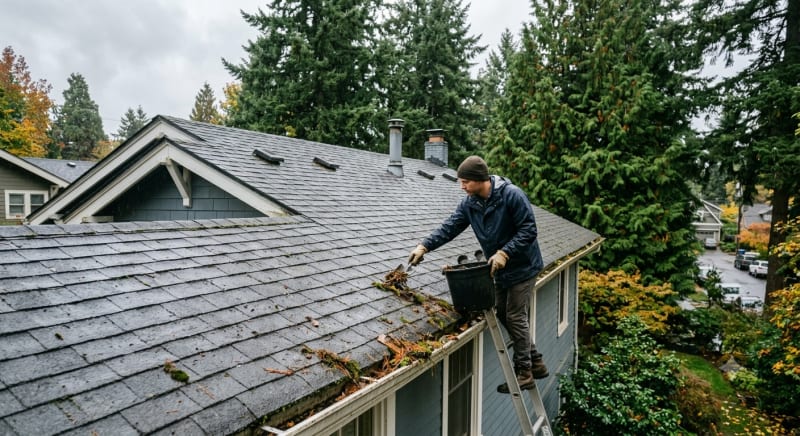
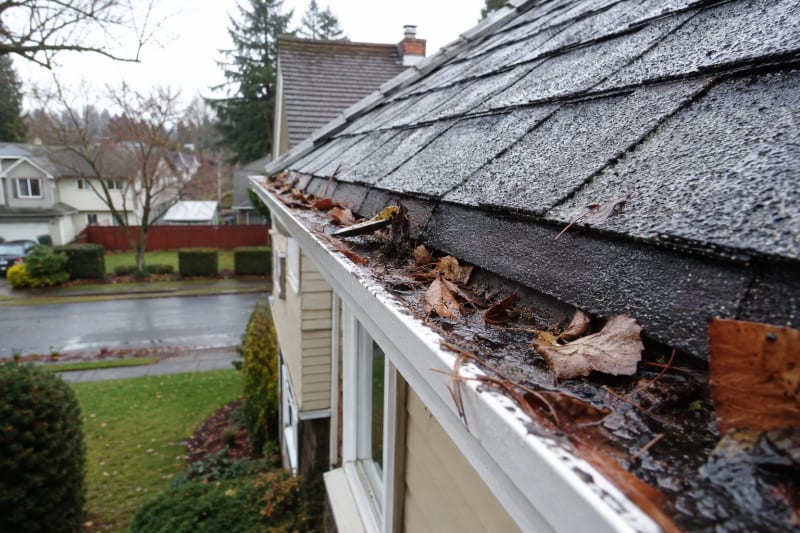
✔ Tree debris can clog gutters — Leaves, needles, and small twigs can accumulate in gutters and downspouts, affecting drainage.
✔ Shade can keep roofing materials damp longer — Limited sunlight can slow drying after Portland's frequent rain.
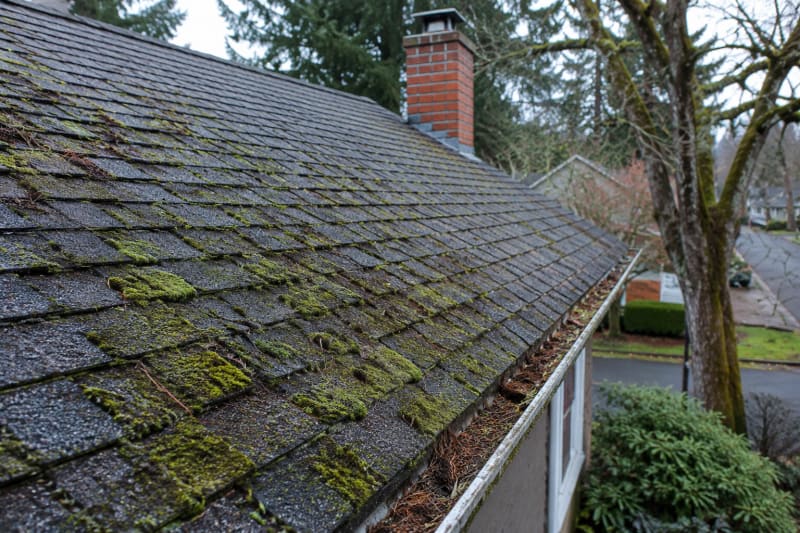
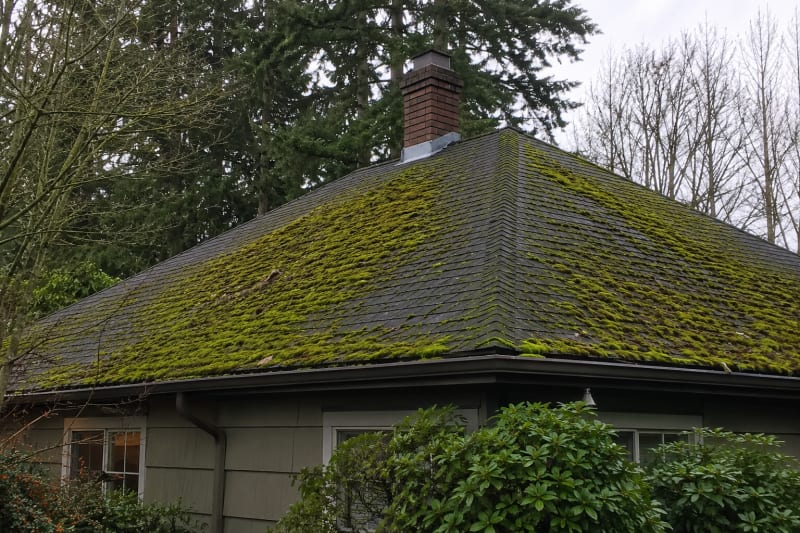
✔ Moss can become more likely — Moisture, shade, and organic debris can create favorable conditions for moss growth.
The important point is that tree-related roof damage is often gradual rather than dramatic.
1. Overhanging Branches Can Damage Roof Shingles
One of the most obvious ways trees affect roofs is through branches that extend over the roof.
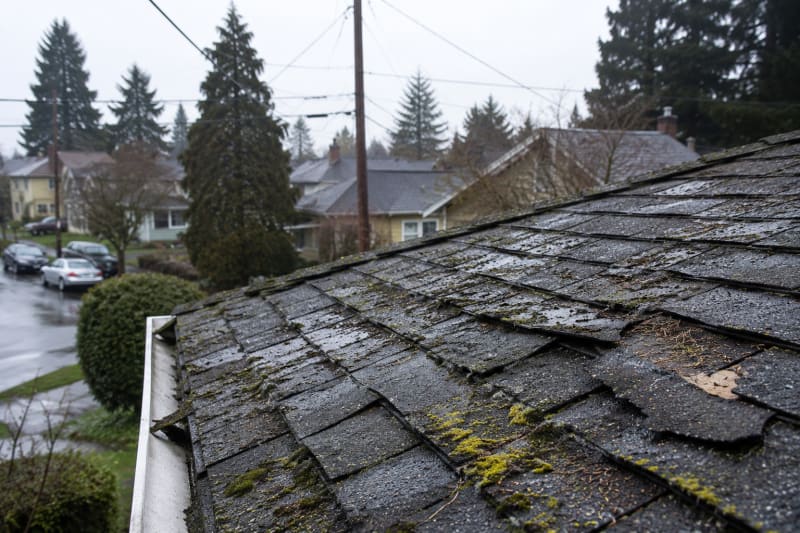
During windy conditions, branches may repeatedly move against the roofing surface. Even if a branch never breaks, constant contact can eventually damage or loosen shingles.
Larger branches can create more serious problems if they break and fall onto the roof.
✔ Small branches can scrape shingles — Repeated movement can wear the protective surface of roofing materials.
✔ Large branches can crack or dislodge shingles — Falling limbs can cause direct impact damage.
✔ Branches can damage flashing — If a branch hits or presses against areas around roof penetrations, flashing can potentially be affected.
✔ Debris can accumulate after windy weather — Even branches that do not fall directly onto the roof can leave behind smaller debris.
Homeowners do not necessarily need to remove every tree near their house. However, branches that are touching or heavily overhanging the roof deserve attention.
2. Leaves and Needles Can Trap Moisture
Portland's rainy climate makes water management particularly important.
When leaves, needles, and other organic material remain on a roof, they can hold moisture against the roofing surface. Instead of rainwater draining away quickly, the debris can create areas that stay wet longer.
This is especially important around:
✔ Roof valleys
✔ Areas beneath large trees
✔ Low-slope sections
✔ Areas around roof penetrations
✔ Gutter edges
The longer organic material remains on the roof, the greater the opportunity for moisture-related problems to develop.
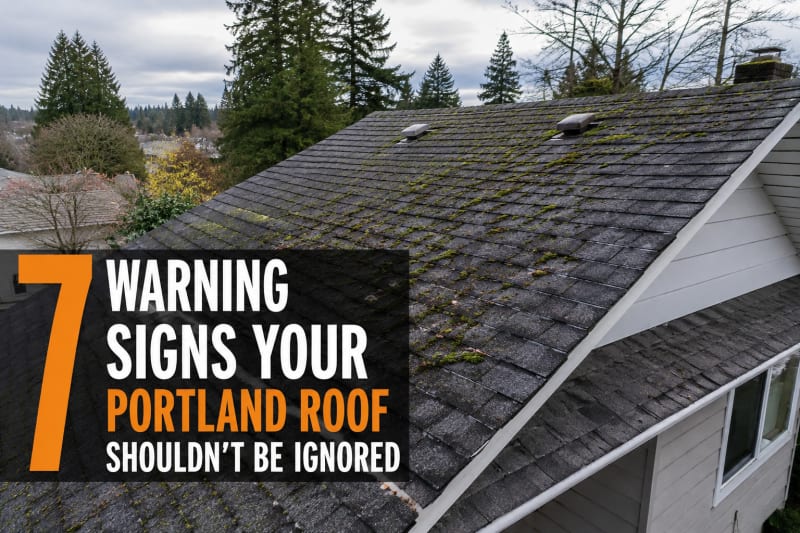
3. Trees Can Encourage Moss Growth
Moss is a familiar sight on many Portland-area roofs.
Trees can contribute to moss growth by creating shade and moisture, particularly when branches extend over the roof and limit sunlight and airflow.
Leaves and other organic debris can also provide material that remains damp on the roof.
That does not mean every roof under a tree will develop moss. Roof orientation, roofing material, ventilation, maintenance, surrounding vegetation, and moisture conditions all play a role.
Still, homeowners with heavily shaded roofs should pay closer attention to moss.
✔ Look for green growth on shingle surfaces — Moss should not be ignored simply because it appears small.
✔ Watch shaded roof sections — North-facing and heavily shaded areas may remain damp longer.
✔ Keep debris from accumulating — Removing accumulated debris can help the roof dry more effectively.
✔ Have significant moss professionally evaluated — Aggressive or improper removal methods can damage roofing materials.
4. Tree Debris Can Clog Your Gutters
Your roof and gutters work together.
Rainwater runs down the roof and into the gutter system, where it should be directed safely away from the home's foundation. Trees can interfere with this process by dropping leaves, needles, twigs, and other debris into the gutters.
A clogged gutter can cause water to back up rather than drain normally.
✔ Water can overflow over the gutter edge
✔ Water can collect near roof edges
✔ Downspouts can become obstructed
✔ Gutter drainage can become less effective
✔ Repeated moisture exposure can affect nearby roofing and exterior materials
This is why homeowners should think about gutters and roofing as one drainage system, rather than treating them as completely separate maintenance tasks.
5. Tree Branches Can Damage Roof Flashing
Shingles are not the only part of a roof that can be affected by nearby trees.
Roof flashing is installed around areas where the roof meets walls, chimneys, vents, and other structures. These are important areas for keeping water out.
A falling branch or repeated branch contact can potentially damage flashing or surrounding roofing materials.
Because flashing problems may not always be visible from the ground, they are one reason professional roof inspections are valuable.
6. Trees Can Make Roof Inspections More Important
A roof surrounded by mature trees may need closer observation than a roof in an open area.
Homeowners should look for changes after strong winds, heavy rain, or periods of severe weather.
You do not need to climb onto the roof to perform a basic visual check.
From the ground, look for:
✔ Missing or visibly damaged shingles
✔ Large branches resting on the roof
✔ Excessive leaves or debris
✔ Visible moss growth
✔ Sagging areas
✔ Damaged gutters
✔ Water stains around roof edges
If you see something concerning, a professional roofing contractor can determine whether further inspection or repair is necessary.
7. Trees Can Hide Roof Problems From View
One of the biggest challenges with heavily wooded properties is visibility.
A homeowner may stand in the yard and see beautiful trees—but those same trees may make it difficult to see portions of the roof.
Branches can hide:
✔ Missing shingles
✔ Damaged flashing
✔ Moss growth
✔ Debris accumulation
✔ Deteriorated roof sections
✔ Gutter problems
This is particularly important for homeowners who rely only on occasional visual checks from the ground.
A professional inspection can provide a closer assessment of areas that are difficult to see.
8. What About Trees During Portland Windstorms?
Strong winds can change the situation quickly.
A tree that appears healthy and stable can still lose a branch during severe weather. Older or damaged trees may present additional risks.
After a significant windstorm, homeowners should look around the property for obvious signs of impact.
✔ Check the ground for fallen branches
✔ Look for branches resting on the roof
✔ Look for visible shingle damage from the ground
✔ Check whether gutters have been damaged
✔ Look inside the attic if it is safe to do so
✔ Look for new ceiling or wall water stains
If a large branch has fallen onto the roof, avoid climbing onto the roof yourself. Damaged roofing can be unstable, and wet Portland weather can make the situation even more hazardous.
How to Protect Your Portland Roof From Tree-Related Damage
The goal is not necessarily to eliminate trees around your home. Instead, homeowners should manage the risks created by trees.
Keep an Eye on Overhanging Branches
Branches that are touching the roof or hanging directly over vulnerable areas deserve attention.
A qualified tree professional can evaluate tree branches when trimming or removal may be appropriate. Roofing contractors and tree professionals have different areas of expertise, so significant tree work should be handled by the appropriate professional.
Keep Roof Debris Under Control
Leaves and small branches should not be allowed to build up on the roof indefinitely.
Regular maintenance can help identify areas where debris repeatedly collects.
Gutters deserve particular attention when your home is surrounded by trees.
Regular gutter cleaning helps maintain proper water drainage and reduces the chance of leaves and needles creating blockages.
Watch Shaded Areas for Moss
If trees create substantial shade over your roof, inspect those areas regularly for moss and moisture-related problems.
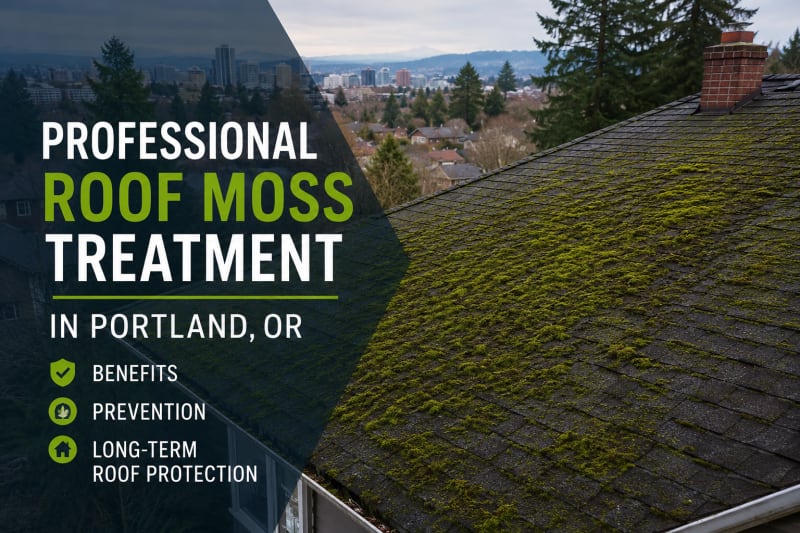
Professional moss treatment may be appropriate when growth becomes established.
Schedule Periodic Roof Inspections
A professional inspection can identify roofing problems before they become more serious.
This is especially useful for homes with:
✔ Mature trees close to the structure
✔ Heavy shade
✔ Frequent roof debris
✔ Repeated moss growth
✔ Previous branch damage
✔ Older roofing materials
Should You Cut Down Trees Near Your Roof?
Not necessarily.
Removing a mature tree is a significant decision and is not automatically the best solution to a roofing concern.
In many situations, proper tree maintenance and regular roof maintenance can reduce the risk without removing the tree entirely.
Consider the condition and location of the tree, the amount of overhang, the frequency of debris accumulation, and the condition of the roof.
For major tree decisions, homeowners should consult a qualified arborist or tree-care professional.
When Should You Call a Roofing Contractor?
Tree-related roof problems can sometimes be difficult to evaluate from the ground.
Consider scheduling a professional roof inspection if you notice:
✔ A branch has fallen onto the roof
✔ Shingles appear cracked, lifted, or missing
✔ You see new leaks or ceiling stains
✔ Moss is spreading across the roof
✔ Large amounts of debris repeatedly accumulate
✔ Gutters are frequently overflowing
✔ You notice damaged flashing
✔ Your roof is difficult to see because of surrounding trees
The sooner a problem is identified, the more options a homeowner may have for addressing it.
Portland's Trees and Your Roof: The Maintenance Connection
For Portland homeowners, roof maintenance is not just about shingles.
The condition of the surrounding property can affect how well the roof performs.
Trees can influence:
Shade → Moisture → Moss → Debris → Gutters → Roof Drainage
That is why a good roof maintenance plan should consider the entire environment around the house.
A roof underneath several mature trees may require a different maintenance approach than a roof with full sun exposure and little surrounding vegetation.
T Mix Roofing: Helping Portland Homeowners Protect Their Roofs
T Mix Roofing serves homeowners throughout Portland and surrounding communities, including Beaverton, Hillsboro, Tigard, Lake Oswego, Gresham, Oregon City, Milwaukie, Tualatin, Sherwood, West Linn, Happy Valley, and nearby areas within the company's service range.
With more than 30 years of roofing experience, T Mix Roofing helps homeowners identify roofing concerns related to Portland's weather, moisture, moss, debris, ventilation, and normal roof aging.
Services include:
✔ Roof inspections — Identify visible and potential roofing concerns.
✔ Roof repairs — Address roofing problems when repair is appropriate.
✔ Roof replacement — Replace aging or significantly deteriorated roofing when necessary.
✔ Moss treatment — Help homeowners address established moss growth using appropriate professional methods.
✔ Roof maintenance — Help homeowners stay ahead of small problems before they become larger concerns.
✔ Attic ventilation evaluation — Help identify ventilation issues that may contribute to moisture-related roof concerns.
Pro Tips From 30+ Years of Roofing Experience
✔ Don't Wait Until a Tree Falls
Most tree-related roof problems do not begin with a dramatic event. Regular debris, shade, branch contact, and moisture can gradually affect roofing materials.
✔ Pay Attention to the Roof After Windy Weather
Even when there is no obvious storm damage, check your property for fallen branches and visible roofing debris.
Moss may look like a cosmetic issue, but significant growth should be evaluated rather than simply left to spread.
A roof can drain properly only when the drainage system is functioning properly. Trees make gutter maintenance especially important.
✔ Don't Climb Onto a Wet Roof to Remove Branches
If a branch or other debris is sitting on the roof, safety should come first. A professional can determine the safest way to address the situation.
✔ Look Beyond the Shingles
Flashing, roof decking, gutters, ventilation, and roof edges all play important roles in protecting the home.
Frequently Asked Questions About Trees and Portland Roofs
1. Can trees damage a roof without falling on it?
Yes. Overhanging branches can scrape shingles, while leaves and debris can trap moisture and contribute to moss growth. Tree shade can also keep sections of the roof damp for longer periods.
2. Should I remove trees that are close to my Portland roof?
Not automatically. Proper trimming and tree maintenance may reduce the risk, but homeowners should consider the tree's condition, location, and potential hazards. A qualified tree professional can help evaluate the tree itself.
3. Do trees cause moss to grow on Portland roofs?
Trees can contribute to conditions that encourage moss, particularly by creating shade and helping roofing surfaces remain damp. However, moss growth depends on several factors, including moisture, roof orientation, and maintenance.