If you're planning to replace your roof, one of the first questions you might ask is, "Should I wait until summer, or is another season better?"
For Portland homeowners, timing can make a real difference in how smoothly a roof replacement goes. Our region's rainy winters, changing spring weather, and relatively dry summers all influence when roofing work can be scheduled comfortably.
In general, late spring through early fall is often the most practical window for a planned roof replacement in Portland. Summer typically offers more predictable dry weather, while late spring and early fall can also provide good opportunities when the forecast cooperates. Experienced roofing contractors can sometimes complete projects outside this period, too, provided conditions and installation requirements allow it.
The important thing is not simply choosing a month on the calendar. Your roof's current condition, the weather forecast, the roofing materials, and the contractor's installation plan all matter.
At T Mix Roofing, we have more than 30 years of roofing experience serving Portland and surrounding communities. In this guide, we'll explain the advantages and challenges of replacing a roof during each season, when you should start planning, and how to prepare your home for the project.
Why Roof Replacement Timing Matters in Portland
Portland's weather creates a few specific considerations for roofing projects.
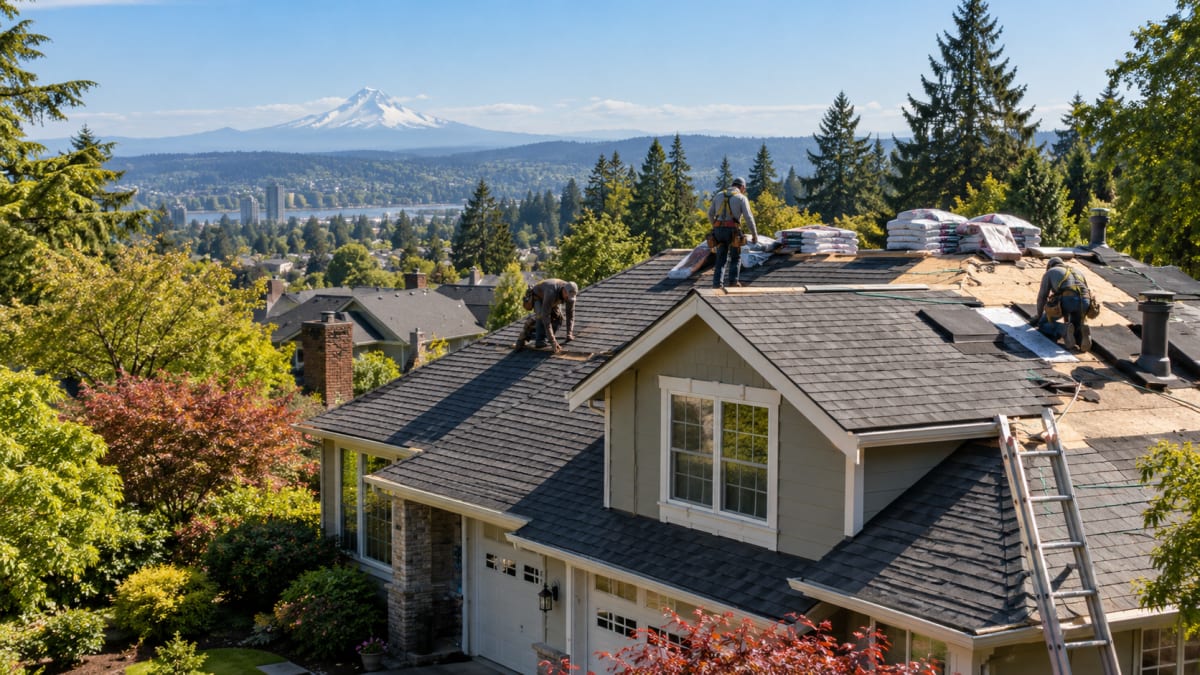
During installation, roofing crews may need to remove the existing shingles and inspect or repair the underlying decking. Until the roofing system is properly protected and installed, parts of the roof can be more vulnerable to rain.
A suitable weather window gives the crew more control over the work and helps reduce interruptions caused by wet conditions.
Timing also matters because asphalt shingles have specific installation and handling requirements. Cooler weather can make shingles less flexible, and manufacturers may provide additional instructions for cold-weather installation. Those instructions should be followed to support proper installation and long-term performance. Source: Asphalt Roofing Manufacturers Association
Before choosing a replacement date, consider:
✔ The current condition of your roof.
✔ The expected weather during the project.
✔ Whether damaged decking or other underlying issues may need attention.
✔ The roofing material and its installation requirements.
✔ Contractor availability and the time needed to prepare the project.
✔ Whether the roof can safely wait for a more favorable weather window.
The goal is to complete the replacement under suitable conditions without unnecessarily delaying work that your home needs.
1. Summer: A Popular Time for Roof Replacement in Portland
Best for: Homeowners looking for a planned replacement during a generally drier part of the year.
Summer is often one of the easiest seasons for scheduling roof replacement in Portland because dry weather is generally more predictable than during the wetter months.
Longer daylight hours can also give roofing crews more working time, although the actual project schedule depends on roof size, complexity, weather, and the amount of underlying repair work required.
Advantages of summer roof replacement
✔ More predictable dry weather: A longer dry window can make it easier to plan roof tear-off and installation.
✔ Fewer weather interruptions: When conditions cooperate, crews may be able to complete the work with fewer rain-related delays.
✔ Convenient project planning: Homeowners can arrange other exterior maintenance around the roofing project.
✔ Time to prepare before the rainy season: Completing a replacement during summer can help homeowners get their roofing system ready for the wetter months ahead.
What should you consider?
Summer is also a popular time for home improvement projects. Roofing contractors may have busy schedules, so waiting until the middle of summer to request an inspection could limit your preferred installation dates.
Hot weather can also affect how crews handle asphalt shingles and move across the roof. Professional installers need to follow appropriate handling procedures and account for the conditions on the roof surface.
Is summer the best season for every roof?
Not necessarily. Summer is often an excellent choice for a planned replacement, but it isn't automatically the right answer for every homeowner.
If your roof has active leaks or significant deterioration, postponing necessary work simply to reach summer may not be the best decision. Have the roof evaluated so you can determine an appropriate timeline.
2. Fall: A Good Opportunity Before Portland's Wet Season
Best for: Homeowners who want to replace an aging roof before persistent rain becomes more frequent.
Early fall can be a good time for roof replacement in Portland. Conditions may remain suitable for roofing work, and homeowners have an opportunity to address aging shingles, deteriorated flashing, and other problems before winter weather arrives.
However, fall conditions change as the season progresses. September and early October may offer workable weather windows, while later fall can bring more frequent rain and scheduling uncertainty.
Advantages of fall roof replacement
✔ Prepare for winter rain: Replacing a deteriorated roof before the wetter season can help reduce the chance of heading into winter with existing roofing problems.
✔ Address problems discovered during summer: Homeowners who noticed damaged shingles or moss earlier in the year can arrange an inspection and discuss replacement.
✔ Review the entire roofing system: A replacement project provides an opportunity to evaluate decking, flashing, ventilation, and other important components.
✔ Plan related maintenance: Gutters and drainage systems can also be checked so they are ready to manage seasonal rainfall.
The main challenge is uncertainty.
Rain can interrupt the planned schedule, and contractors may have a full calendar as homeowners try to finish their projects before winter. Waiting until late fall to begin the process can leave less flexibility.
If you are considering fall replacement, start planning early and be prepared to coordinate the installation around the forecast.
T Mix Roofing tip: Don't wait for the first major leak of the rainy season to think about your roof. If your shingles are deteriorating or your roof is approaching the end of its useful life, an inspection well before winter can give you more time to make an informed decision.
3. Spring: A Smart Season to Inspect and Plan Ahead
Best for: Homeowners who want to assess winter damage and arrange a replacement before the summer schedule becomes busy.
Spring is a useful time to evaluate your roof after months of wet weather. You may notice signs of deterioration that were easy to overlook during winter, including damaged shingles, moss growth, loose flashing, or gutter problems.
Spring weather in Portland can still be unpredictable, so the ideal date for installation depends on the forecast and the roofing contractor's plan.
Advantages of spring roof replacement
✔ Identify winter-related problems: An inspection may uncover damage that needs repair or further evaluation.
✔ Get ahead of summer scheduling: Beginning the planning process in spring gives you more time to discuss materials and arrange a suitable installation date.
✔ Address moss and debris: Moss growth and accumulated debris can be assessed as part of a broader roof maintenance plan.
✔ Prepare for the next rainy season: A homeowner who plans early has more time to understand the roof's condition and consider replacement before fall.
What should homeowners know?
Spring is not consistently dry, and a roofing project may need to be rescheduled when rain is expected. Your contractor should have a clear plan for weather protection and should avoid exposing roof sections to conditions that could compromise the work.
If the roof requires immediate attention, ask the contractor what can be done safely and appropriately rather than assuming you must wait for summer.
4. Winter: Can You Replace a Roof in Portland During Winter?
Best for: Situations where the roof needs attention and waiting may create a greater risk.
Winter is usually more challenging for planned roof replacement in Portland because rain, cold temperatures, frost, and shorter daylight hours can complicate scheduling and installation.
Still, winter does not automatically make roof replacement impossible. Feasibility depends on the roofing material, the installation instructions, roof-surface conditions, the weather forecast, and the contractor's procedures.
Cold-weather guidance from the Asphalt Roofing Manufacturers Association highlights the importance of following manufacturer instructions, handling shingles carefully, and avoiding unsafe work on icy or frosty surfaces.
What are the challenges of winter replacement?
✔ More weather interruptions: Frequent rain can reduce the number of suitable workdays.
✔ Cold-weather material handling: Asphalt shingles may become less flexible in colder conditions.
✔ Safety concerns: Wet, frosty, or icy roof surfaces can create dangerous working conditions.
✔ More scheduling uncertainty: Crews need to coordinate the project around weather windows and necessary protection measures.
Should you wait until spring or summer?
That depends on your roof's condition.
If your roof is still performing adequately, an inspection can help determine whether a planned replacement can wait for a more favorable season.
If the roof has significant leaks, widespread deterioration, or damaged areas that leave the home vulnerable to further moisture intrusion, waiting may not be advisable.
A qualified roofing contractor can evaluate the situation and explain the safest practical options.
Roof Replacement Seasons at a Glance
Season Main Advantage Main Challenge
Spring Time to inspect winter damage and plan ahead Unpredictable rain
Summer Generally more dependable dry weather Busy contractor schedules
Early fall Opportunity to prepare for winter Weather windows may narrow
Winter Replacement may still be possible when needed Cold, rain, and safety concerns
When Should You Schedule a Roof Replacement?
For many Portland homeowners, summer and early fall are strong choices for planned roof replacement, while spring can be an excellent time to start the process. Winter projects require closer attention to conditions and installation requirements.
These are general seasonal patterns, not guarantees. The actual weather window and the condition of your roof should guide the final decision.
One of the most common planning mistakes is waiting until the roof begins leaking before contacting a roofing company.
By that point, the homeowner may have fewer scheduling options and may need to make decisions more quickly.
Instead, look for signs that it may be time to arrange a professional inspection.
✔ Your roof is aging: An older roof deserves an evaluation to understand its present condition and remaining service life.
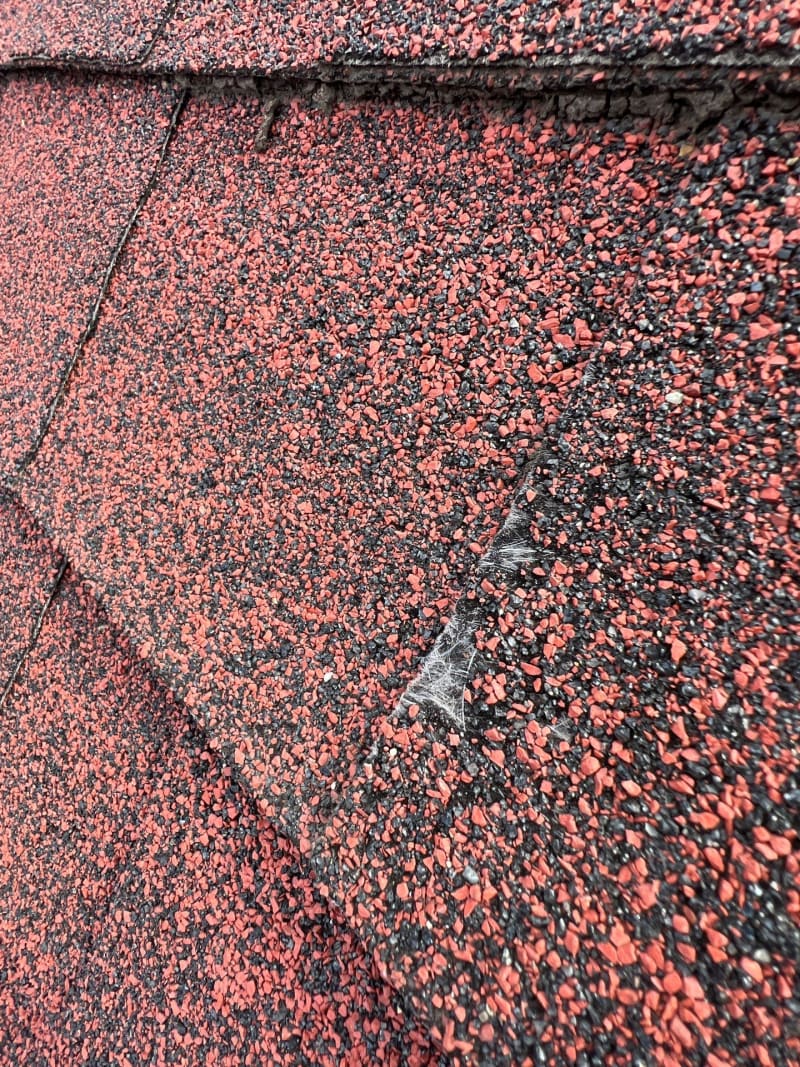
✔ Shingles are curling, cracking, or deteriorating: These conditions may indicate that the roofing material is wearing out.
✔ You notice repeated leaks: Recurring water intrusion should be investigated to find the underlying cause.
✔ There is widespread shingle damage: Extensive deterioration may require more than an isolated repair.
✔ The roof has experienced storm damage: Wind and falling branches can damage shingles and other roofing components.
✔ You notice interior water stains: Stains on ceilings or walls may indicate a roofing or other moisture problem that needs investigation.
✔ The roof has persistent maintenance issues: Significant moss, drainage problems, or deteriorating flashing may justify a closer evaluation.
These signs do not automatically mean the roof needs complete replacement. An inspection can help determine whether maintenance, targeted repairs, or a new roof is the more appropriate choice.
Should You Wait for Summer if Your Roof Has Problems?
Not always.
Choosing a favorable season is useful when the timing is flexible, but the roof's actual condition should come first.
For example, a roof with minor wear but no signs of active water intrusion might be suitable for a planned replacement during a better weather window. A roof with significant leaks or deteriorated components may need attention sooner.
The right approach is to:
✔ Have the roof's condition assessed.
✔ Identify whether water is entering the home or the structure is at risk.
✔ Ask which repairs or protective measures are appropriate in the current conditions.
✔ Discuss the earliest practical installation window if replacement is necessary.
✔ Confirm how the contractor will protect exposed roof sections if weather changes during the project.
A good roofing plan balances timing with protecting your home. The best season is not helpful if delaying the work allows an existing problem to worsen.
How to Prepare for a Roof Replacement in Portland
Once you've selected a contractor and discussed the timing, a little preparation can make the project easier.
Before installation
✔ Schedule an inspection: Establish whether replacement is necessary and identify potential underlying issues.
✔ Choose your roofing material: Discuss appropriate asphalt shingle options and the installation requirements for the selected product.
✔ Review the project scope: Understand what work is included, such as tear-off, decking repairs if required, underlayment, flashing, and cleanup.
✔ Discuss weather protection: Ask how the crew will sequence the work and protect the home if rain threatens.
✔ Plan around the work area: Move vehicles, outdoor furniture, and fragile items away from areas where debris could fall, following your contractor's instructions.
✔ Ask about ventilation: Make sure attic ventilation is considered as part of the overall roofing system.
✔ Plan ahead for gutters: Have the gutter system evaluated so water can be directed away from the home properly after installation.
During the project
The roofing crew should follow the agreed work plan while adapting to actual site and weather conditions.
Homeowners should avoid climbing onto the roof or entering restricted work areas. If you have questions about progress or weather-related changes, communicate directly with the project team.
How T Mix Roofing Helps Portland Homeowners Plan Roof Replacement
T Mix Roofing has more than 30 years of roofing experience serving homeowners in Portland and surrounding communities.
We understand that replacing a roof involves more than selecting shingles and choosing a date. Homeowners also need to understand the condition of their existing roof, the scope of the project, and how the installation will be planned around Portland's changing weather.
Our roofing services include:
✔ Roof inspections: Understand the condition of your existing roofing system.
✔ Roof repairs: Address roofing problems when repairs are appropriate.
✔ Complete roof replacement: Replace an aging or deteriorated roofing system.
✔ Premium architectural shingles: Choose from available 30-, 40-, and 50-year lifetime shingle options, with actual service life depending on installation, conditions, maintenance, and other factors.
✔ Professional moss treatment: Address moss growth as part of appropriate roof maintenance.
✔ Attic ventilation evaluation: Identify ventilation concerns that may affect overall roof performance.
T Mix Roofing can help you evaluate your roof and discuss an appropriate next step based on its condition and the circumstances of your home.
Areas We Serve Around Portland, Oregon
T Mix Roofing serves Portland and surrounding communities, generally within approximately 20–30 miles of downtown Portland.
Our service area includes:
✔ Portland
✔ Beaverton
✔ Hillsboro
✔ Tigard
✔ Lake Oswego
✔ Gresham
✔ Oregon City
✔ Milwaukie
✔ Tualatin
✔ Sherwood
✔ West Linn
✔ Happy Valley
✔ Nearby communities within our service area
Whether you're planning a summer roof replacement in Beaverton, preparing an older roof for winter in Lake Oswego, or arranging an inspection in Portland, timing your project around your roof's condition and the weather can help you plan more confidently.
Pro Tips From 30+ Years of Roofing Experience
At T Mix Roofing, we believe that good roof replacement planning starts with understanding what your home actually needs.
Here are practical tips for Portland homeowners:
✔ Start planning before the roof fails. An inspection gives you more time to understand your options and schedule work.
✔ Treat summer as an opportunity, not a guarantee. A dry forecast is helpful, but installation quality and proper work practices matter in every season.
✔ Don't ignore early fall. September and early October may provide suitable installation windows, but conditions should be checked before scheduling.
✔ Be flexible in spring. Rain can affect the schedule, so communicate with your contractor and allow room for changes.
✔ Don't assume winter work is impossible. Ask an experienced contractor to evaluate whether the specific project can be completed safely and in accordance with product requirements.
✔ Don't wait solely for an ideal month. If your roof has serious damage, get it assessed rather than automatically postponing the work.
✔ Evaluate the entire roofing system. Shingles, flashing, decking, ventilation, and drainage all contribute to long-term performance.
✔ Plan for Portland's wet season. Make sure the finished roof and drainage system are ready to manage rainfall.
Frequently Asked Questions
What is the best month to replace a roof in Portland, Oregon?
Late spring through early fall is generally the most practical period for a planned replacement. Summer often provides more predictable dry weather, while September and early October can also work when conditions are favorable. The best month for your home depends on the roof's condition and the weather forecast.
Is summer better than fall for roof replacement in Portland?
Both can be good options. Summer generally offers more predictable dry weather, while early fall may provide another suitable window before the wetter season becomes established. Contractor availability and the specific forecast should also factor into your decision.
Can a roof be replaced during Portland's rainy season?
It may be possible during suitable weather windows, but rain can interrupt the schedule and makes moisture protection especially important. The contractor should evaluate the conditions, follow product installation requirements, and have a plan for protecting the home.
Is spring a good time to replace a roof?
Yes, spring can be a good time to inspect winter damage, plan a replacement, and reserve a future installation date. Because rain remains possible, the actual work should be coordinated around suitable weather conditions.
Should I replace my roof before winter?
If your roof is aging, leaking, or showing widespread deterioration, it is wise to have it inspected before winter if possible. An inspection can help determine whether replacement is needed or whether appropriate repairs may address the problem.
How far in advance should I schedule a roof replacement?
Start the process well before your preferred installation season, especially if you want a summer or early-fall date. The amount of advance notice needed depends on contractor availability, the project's complexity, material selection, and weather.
Does roof replacement always take longer during winter?
Not in every case, but rain, cold temperatures, shorter daylight hours, and unsuitable roof-surface conditions can create more interruptions. Your contractor should explain the expected timeline and how weather may affect the work.
How do I know whether my roof needs repair or replacement?
A professional inspection can evaluate the severity and extent of damage, shingle condition, flashing, decking, and other components. Some problems can be repaired, while widespread deterioration may make replacement the more practical option.