In Portland, rain is part of everyday life for much of the year. While a properly installed roof is designed to protect your home from wet weather, months of repeated rainfall can reveal weaknesses that might otherwise go unnoticed.
A small flashing problem, a clogged gutter, damaged shingles, or an area where water drains poorly may not seem urgent at first. But when rain repeatedly reaches a vulnerable part of the roof, a minor issue can develop into a leak, damaged roof decking, or moisture inside your home.
So, how does Portland's rainy climate affect your roof, and what can homeowners do to protect it?
The answer involves more than shingles. Your roof's condition, flashing, gutters, attic ventilation, surrounding trees, and maintenance habits all influence how well your home handles rainfall.
At T Mix Roofing, we have more than 30 years of roofing experience serving Portland and nearby communities. In this guide, we'll explain the common ways rain affects Portland roofs, which warning signs to watch for, and how to help keep your roofing system in good condition.
1. Repeated Rain Can Reveal Weak Spots in Your Roof
A roof doesn't necessarily develop a problem because it rains heavily one day. Often, trouble begins when water repeatedly reaches an area that is already damaged, poorly sealed, or improperly installed.
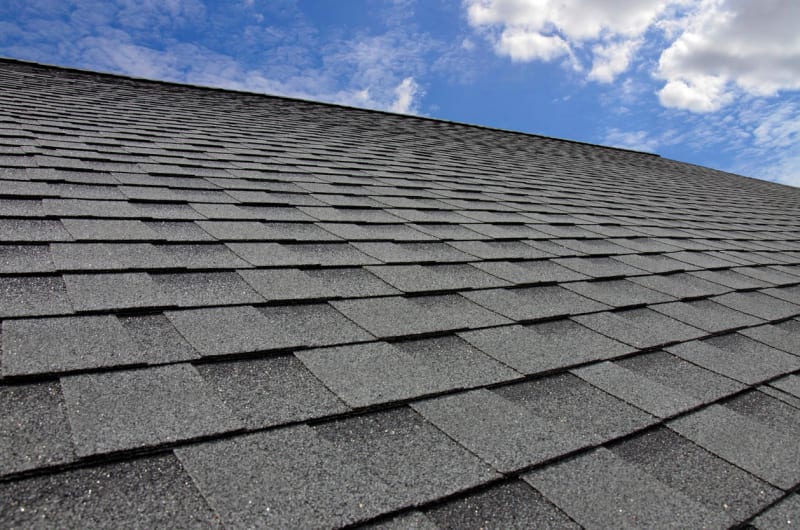
Asphalt shingles are designed to shed water, but the roofing system also depends on correctly installed underlayment, flashing, and other components.
Rain can expose weaknesses around:
✔ Roof valleys where water is directed toward drainage areas.
✔ Flashing around chimneys, skylights, and roof penetrations.
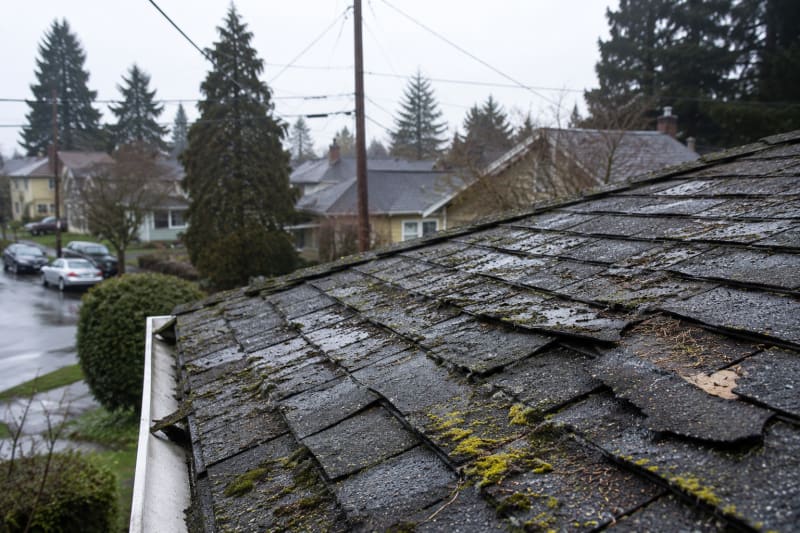
✔ Damaged or missing shingles.
✔ Roof edges and transitions.
✔ Areas where previous repairs were incomplete or unsuccessful.
✔ Sections where water does not drain as intended.
These areas deserve attention during a roof inspection, especially if you have noticed leaks or other signs of moisture inside your home.
What homeowners should do: If a ceiling stain appears after rainfall, don't assume the problem is limited to the visible spot. Water can travel along roofing components or framing before becoming noticeable indoors. A professional inspection can help identify the source.
2. Roof Leaks Can Lead to Hidden Water Damage
One of the most serious effects of rain is water intrusion.
A leak may begin with a small opening around flashing or a damaged roofing component. If the problem continues, moisture can affect the roof decking, insulation, ceilings, walls, or other building materials.
Not every roof leak leads to extensive damage, but delaying an inspection can make it harder to determine how far moisture has spread.
Warning signs of a possible roof leak
✔ Brown or yellow stains on ceilings.
✔ Peeling paint or bubbling drywall.
✔ Damp areas in the attic.
✔ Musty odors that persist.
✔ Water appearing around skylights or other roof penetrations.
✔ Dripping or visible moisture during or after rainfall.
Keep in mind that some of these symptoms can have other causes, including plumbing leaks or condensation. A proper evaluation is needed to identify the source.
If you notice water entering your home, protect belongings if it is safe to do so and arrange an appropriate inspection. Avoid climbing onto a wet roof to investigate.
3. Portland's Damp Conditions Encourage Moss Growth
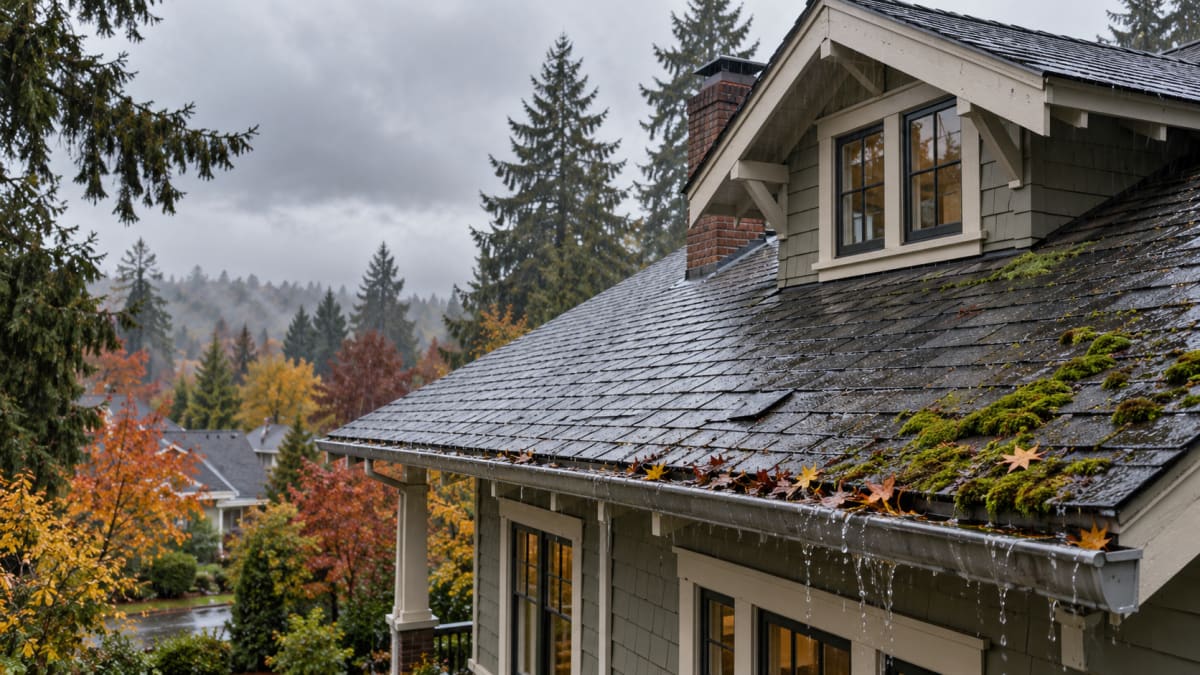
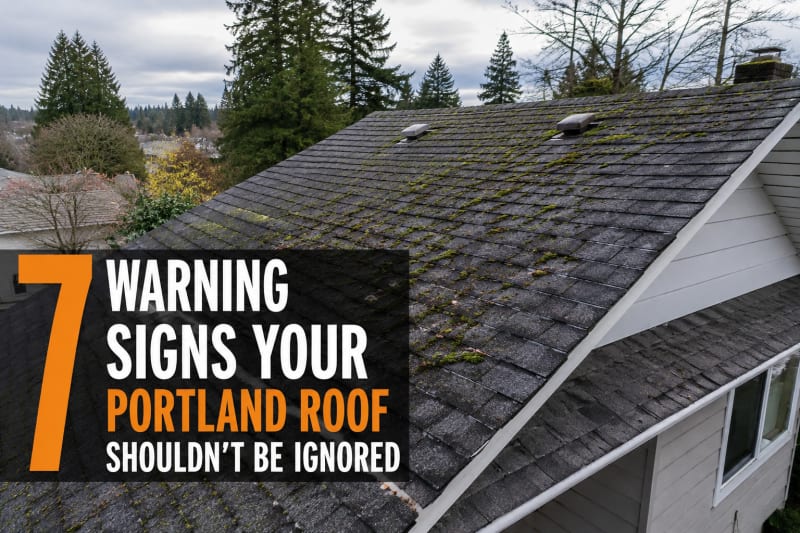
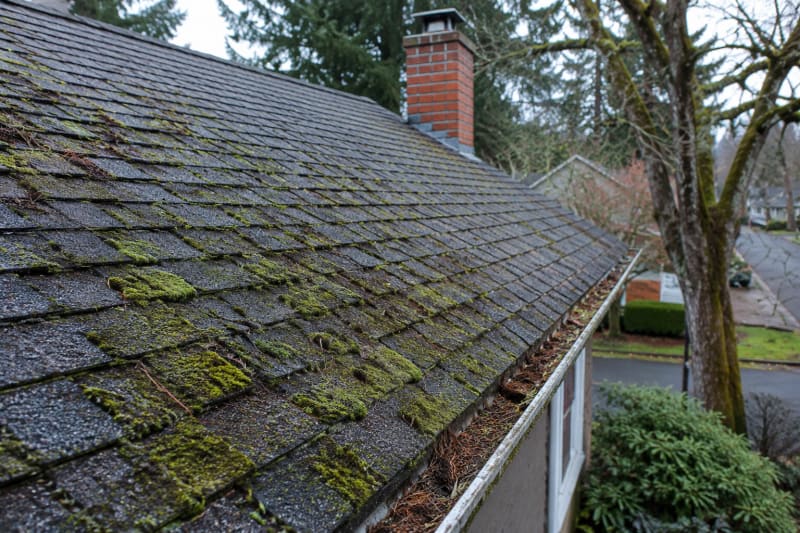
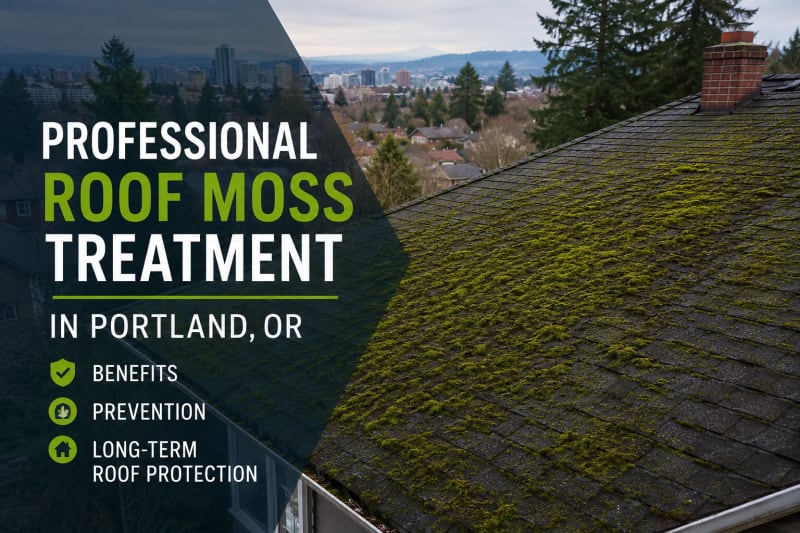
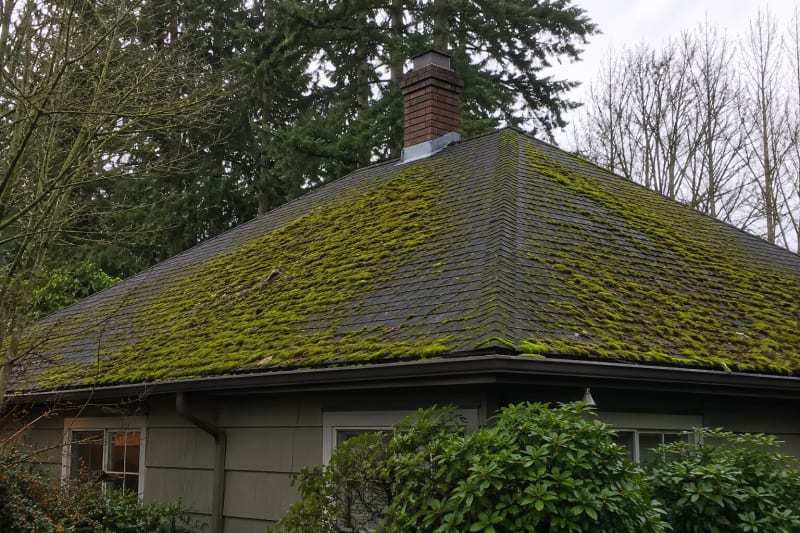
Moss is a familiar sight on many Portland-area roofs, especially where trees provide shade and the roof surface stays damp.
Rain alone does not explain every moss problem. Shade, debris, surface conditions, and the time a roof remains moist can all contribute to moss growth.
Moss can hold moisture against roofing materials and may interfere with normal water shedding as it accumulates. It can also make a roof more difficult and dangerous to walk on.
How to manage moss on your roof
✔ Look for visible moss growth from the ground.
✔ Keep nearby trees and vegetation from unnecessarily shading the roof when practical.
✔ Remove leaves and debris from gutters and accessible drainage areas.
✔ Arrange professional moss treatment when growth becomes significant.
✔ Avoid pressure-washing or aggressively scraping asphalt shingles, which can damage the roofing surface.
Moss does not automatically mean you need a new roof. The right response depends on the amount of growth and the condition of the roofing materials underneath it.
For Portland homeowners, regular monitoring and appropriate moss management can help prevent a maintenance issue from being overlooked for too long.
4. Clogged Gutters Can Make Rainwater Problems Worse
Your gutters play an important role in moving rainwater away from the roof and the home's foundation.
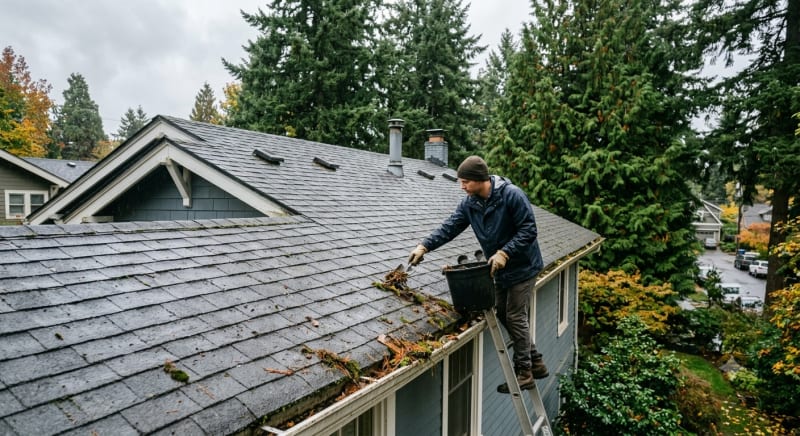
When gutters become blocked by leaves, needles, moss, and other debris, water may overflow instead of draining through the downspouts as intended.
During prolonged rainfall, poor drainage can contribute to moisture problems around roof edges, fascia, siding, and the ground near the home.
Signs your gutters may need attention
✔ Water spills over the sides during rain.
✔ Gutters remain full of standing water.
✔ Leaves or other debris are visible inside the gutter.
✔ Gutters sag or pull away from the roofline.
✔ Water collects near the foundation.
✔ You notice deterioration around the fascia or roof edges.
Practical gutter maintenance tips
✔ Inspect gutters periodically, particularly after leaves and needles accumulate.
✔ Check that downspouts discharge water away from the home's foundation.
✔ Arrange repairs if gutters are sagging, leaking, or pulling away.
✔ Consider professional cleaning if access is difficult or the roofline is high.
✔ Never lean dangerously from a ladder or climb onto a wet roof to clean gutters.
A well-maintained drainage system helps your roof manage rainwater more effectively and supports the home's overall moisture protection.
5. Damaged Flashing Can Allow Rain to Enter
Flashing is installed at vulnerable transitions to help direct water away from openings and joints. It may be found around chimneys, skylights, vents, walls, and roof valleys.
Because these areas involve changes in roof direction or interruptions in the roofing surface, they require careful installation and maintenance.
If flashing becomes damaged, loose, corroded, or improperly sealed, rainwater may find a path into the roofing system.
What should homeowners watch for?
✔ Water stains near a chimney or skylight.
✔ Deteriorated sealant around roof penetrations.
✔ Visible damage near roof-to-wall connections.
✔ Repeated leaks in the same general area.
✔ Evidence of previous repairs that have not resolved the problem.
Flashing problems aren't always visible from the ground, and adding more sealant isn't necessarily the correct repair. The source of the leak should be identified before deciding how to fix it.
T Mix Roofing can help homeowners assess roof problems and determine whether flashing repairs or other work may be appropriate.
6. Poor Attic Ventilation Can Contribute to Moisture Problems
Rain affects the roof from above, but moisture can also develop underneath it.
Attic ventilation helps manage heat and moisture within the roofing system. When ventilation is inadequate or other moisture sources are present, condensation may develop and contribute to damp conditions.
This can make it harder to distinguish a roof leak from a ventilation or condensation issue.
✔ Persistent dampness in the attic.
✔ Condensation on surfaces in cold weather.
✔ Musty odors.
✔ Moisture-related deterioration around roof framing or decking.
✔ Recurring moisture problems despite repairs to visible roof damage.
These signs do not prove that ventilation is the cause. Roof leaks, plumbing issues, and other conditions can produce similar symptoms.
A professional assessment should consider both the roof's exterior condition and the attic environment.
7. Leaves and Tree Debris Can Trap Moisture
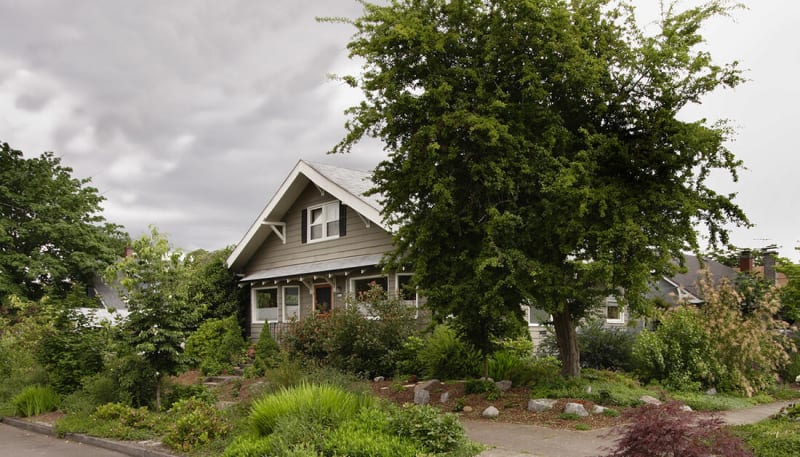
Portland homes surrounded by mature trees may have additional roof maintenance needs.
Leaves, needles, small branches, and other debris can collect in roof valleys and gutters. When debris remains in place, it may slow drainage and keep parts of the roof damp for longer.
Trees can also shade the roof, limiting sunlight and reducing the rate at which wet surfaces dry.
How to reduce tree-related roofing problems
✔ Keep gutters and drainage paths clear.
✔ Monitor roof valleys for accumulated debris.
✔ Have overhanging branches evaluated and trimmed when appropriate.
✔ Arrange professional help for debris that cannot be reached safely.
✔ Inspect the roof after significant windstorms or when branches fall nearby.
You do not necessarily need to remove trees to protect your roof. The goal is to manage debris, reduce avoidable risks, and keep drainage functioning properly.
8. Rain Can Make Existing Roofing Damage More Noticeable
Some roofing problems develop gradually and remain unnoticed until a period of wet weather.
For example, a homeowner may not realize that a shingle is missing or flashing has deteriorated until water begins entering the attic or a ceiling stain appears.
Rain can also reveal problems with previous repairs or areas where the roofing system is no longer performing as intended.
After a period of heavy rain, look for:
✔ New ceiling or wall stains.
✔ Damp or musty areas in the attic.
✔ Water overflowing from gutters.
✔ Visible shingle damage from the ground.
✔ Debris or branches that may have affected the roof.
✔ New leaks around skylights or other roof penetrations.
You should not climb onto the roof to look for damage, particularly when surfaces are wet or slippery. If something appears wrong, arrange an inspection.
9. Repeated Moisture Can Affect Roof Lifespan
A roof's lifespan depends on several factors, including the roofing material, installation quality, ventilation, maintenance, and environmental exposure.
Portland's wet climate makes moisture management an important part of roof care, but rain does not automatically shorten every roof's life.
A properly installed roof with functional drainage and timely maintenance can perform well in a rainy climate. Problems are more likely when water reaches vulnerable areas repeatedly or when deterioration goes unaddressed.
Factors that may contribute to premature roofing problems include:
✔ Damaged or missing shingles.
✔ Poorly installed or deteriorated flashing.
✔ Persistent moss and debris.
✔ Clogged or damaged gutters.
✔ Moisture-related damage to roof decking.
✔ Ventilation problems.
✔ Delayed repairs after a leak or storm.
If your roof is getting older, an inspection can help you understand its condition and whether maintenance, repairs, or replacement should be considered.
10. How to Protect Your Roof During Portland's Rainy Season
You cannot control the weather, but you can take practical steps to help your roof manage it.
A seasonal roof protection checklist
✔ Inspect your roof periodically. Look for visible changes from the ground and arrange a professional inspection when needed.
✔ Keep gutters clear. Remove accumulated leaves and debris safely or hire a professional.
✔ Address moss appropriately. Avoid aggressive cleaning methods that may damage shingles.
✔ Check flashing and roof penetrations. Have damaged or questionable areas evaluated.
✔ Pay attention to the attic. Investigate persistent dampness, condensation, or musty odors.
✔ Repair small problems promptly. Don't ignore missing shingles, recurring leaks, or deteriorating roof components.
✔ Check the roof after major storms. Look for visible damage and fallen branches without climbing onto the roof.
✔ Plan ahead for replacement. If the roof is nearing the end of its useful life, an early assessment gives you more time to make a decision before a problem becomes urgent.
Maintenance cannot guarantee that a roof will never leak, but it can help identify problems before they become more serious.
What If Your Roof Starts Leaking During Heavy Rain?
A leak during a storm can be stressful, especially if water begins reaching ceilings, walls, or personal belongings.
Your first priority should be protecting people and avoiding unsafe areas.
✔ Move belongings away from the affected area if it is safe.
✔ Place a container under a drip when practical and safe to do so.
✔ Avoid wet electrical fixtures, outlets, or areas where water may contact electrical equipment.
✔ Do not climb onto a wet roof or attempt an exterior repair during a storm.
✔ Document visible damage from a safe location if possible.
✔ Arrange a professional roof assessment to identify the cause and appropriate next steps.
If water is near electrical equipment or the situation presents an immediate safety risk, stay away from the affected area and contact the appropriate emergency service.
A visible ceiling stain does not necessarily mean the entire roof needs replacement. The source, extent, and condition of the roofing system should be evaluated before deciding on a repair or replacement.
How T Mix Roofing Helps Portland Homeowners Protect Their Roofs
T Mix Roofing has more than 30 years of roofing experience serving homeowners throughout Portland and surrounding communities.
We understand that rain can expose existing roofing problems, from damaged shingles and flashing to drainage concerns and moisture-related deterioration.
Our services include:
✔ Roof inspections to evaluate the condition of your roofing system.
✔ Roof repairs when localized problems can be addressed appropriately.
✔ Complete roof replacement when the existing roof is significantly deteriorated or replacement is the better option.
✔ Premium architectural shingles with available 30-, 40-, and 50-year lifetime options.
✔ Professional moss treatment to address moss growth appropriately.
✔ Attic ventilation evaluation to help identify potential ventilation concerns.
The right service depends on your roof's condition. Our goal is to help homeowners understand the problem and the practical options available.
Areas We Serve Around Portland, Oregon
T Mix Roofing serves homeowners within approximately 20–30 miles of downtown Portland, including:
✔ Portland
✔ Beaverton
✔ Hillsboro
✔ Tigard
✔ Lake Oswego
✔ Gresham
✔ Oregon City
✔ Milwaukie
✔ Tualatin
✔ Sherwood
✔ West Linn
✔ Happy Valley
✔ Surrounding communities within our service area
Whether you have noticed a leak after a week of rain, moss growing on a shaded roof, or gutters overflowing during a storm, a professional assessment can help you determine what needs attention.
Pro Tips From 30+ Years of Roofing Experience
At T Mix Roofing, we know that protecting a roof in Portland means paying attention to both the roofing materials and the conditions around the home.
Here are a few practical tips for homeowners:
✔ Don't wait for a ceiling stain. Visible indoor damage can appear after moisture has already entered the roofing system.
✔ Keep water moving. Gutters and downspouts should be able to direct rainwater away from the roof and foundation.
✔ Treat moss carefully. Aggressive scraping and pressure washing can damage asphalt shingles.
✔ Check the roof after major storms. Look for visible changes from the ground and arrange a professional assessment if you suspect damage.
✔ Don't assume every damp spot is a roof leak. Condensation and plumbing problems can cause similar symptoms.
✔ Pay attention to flashing. Roof penetrations and transitions need proper installation and maintenance.
✔ Know when to call a professional. Wet roofs are dangerous, and diagnosing a leak from the ground can be difficult.
✔ Address recurring problems. If the same area leaks repeatedly, the underlying cause should be identified rather than repeatedly treating only the visible symptom.
Frequently Asked Questions
Does Portland's rain damage roofs?
Rain does not automatically damage a properly installed and maintained roof. However, persistent moisture can expose weaknesses in shingles, flashing, roof valleys, and drainage systems, potentially contributing to leaks and deterioration when problems are present.
How often should I inspect my roof in Portland?
The appropriate frequency depends on the roof's age, condition, surrounding trees, and exposure to storms. Homeowners should monitor visible changes and consider professional inspections periodically, especially when the roof is older or warning signs appear.
Can heavy rain cause a roof leak?
Yes. Heavy rain can reveal existing weaknesses, such as damaged shingles, deteriorated flashing, or drainage problems. The leak's source should be identified before deciding which repair is needed.
Does moss on a Portland roof mean it needs replacement?
No. Moss alone does not mean a roof needs replacement. The amount of moss, the condition of the shingles, and any underlying deterioration should be evaluated to determine the appropriate treatment.
Why do my gutters overflow when it rains?
Common causes include accumulated leaves and debris, downspout blockages, insufficient drainage capacity, or gutter installation and maintenance problems. A gutter assessment can help identify the cause.
Can roof ventilation help with moisture problems?
Proper attic ventilation can help manage heat and moisture, but it does not fix every moisture issue. Roof leaks, condensation, and other sources should be evaluated to determine the correct solution.
Should I replace my roof before Portland's rainy season?
If your roof is aging or showing significant deterioration, having it inspected before the rainy season can give you time to plan appropriate repairs or replacement. The decision should depend on the roof's actual condition rather than the season alone.
Final Thoughts: Keep Portland's Rain Outside Where It Belongs
Rain is a normal part of life in Portland, but homeowners do not have to wait for a leak to start thinking about roof protection.
A roof that is properly installed, maintained, and inspected when needed has a better chance of handling repeated rainfall. Keeping gutters clear, monitoring moss, checking for visible damage, and addressing flashing or ventilation concerns can all help protect your home.
The key is to pay attention to small warning signs before they develop into larger problems.
T Mix Roofing has more than 30 years of roofing experience serving Portland, Beaverton, Hillsboro, Tigard, Lake Oswego, and surrounding communities. If you have noticed signs of moisture, damaged shingles, moss growth, or a leak after rainfall, contact T Mix Roofing to discuss a roof inspection, repair, or replacement.
Protect your home by understanding your roof's condition before the next rainy season arrives.