THE 10 MOST COMMON ROOF LEAKS WE FIND IN PORTLAND HOMES

Most Roof Leaks Don't Start Where You Think . Many homeowners assume a roof leak means shingles have failed. In reality, most leaks we find in Portland homes start around roof penetrations, flashing details, and areas where water naturally concentrates. Portland's long rainy season exposes even small weaknesses in a roofing system. Here are the 10 most common roof leaks we find during inspections—and what homeowners should know about them.
Chimney Flashing Failures
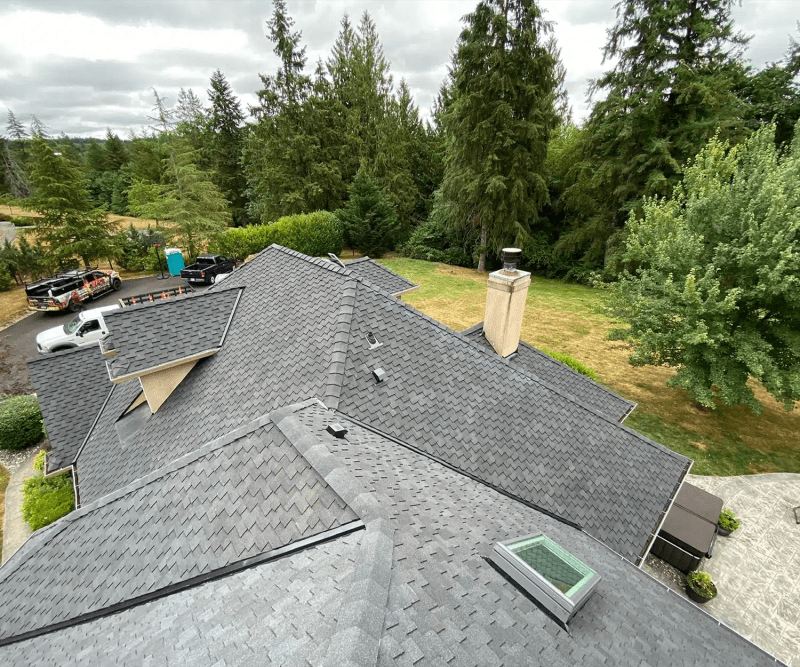
Chimneys are one of the most common leak locations we see. The metal flashing around the base of the chimney expands and contracts with temperature changes over time. Eventually, gaps can form where water begins entering the roofing system. Portland's frequent rain gives moisture plenty of opportunities to exploit these weak points. What starts as a small flashing issue can eventually damage decking, insulation, and interior ceilings.
Pipe Boot Deterioration
Every plumbing vent that passes through your roof is protected by a rubber pipe boot. These boots are constantly exposed to sunlight, rain, and changing temperatures. As they age, the rubber can crack or separate from the pipe. Once that happens, water begins leaking directly into the attic. Pipe boot failures are often inexpensive repairs when caught early.
Skylight Leaks
Homeowners often assume the glass is leaking, but the problem is usually the flashing around the skylight. Improper installation, aging sealants, or shifting roof materials can create small openings for water. Because skylights interrupt the roof surface, they require extra attention during installation and maintenance. Leaks often show up as stains around the skylight frame or ceiling. Regular inspections help identify problems before interior damage occurs.
Roof Valley Problems
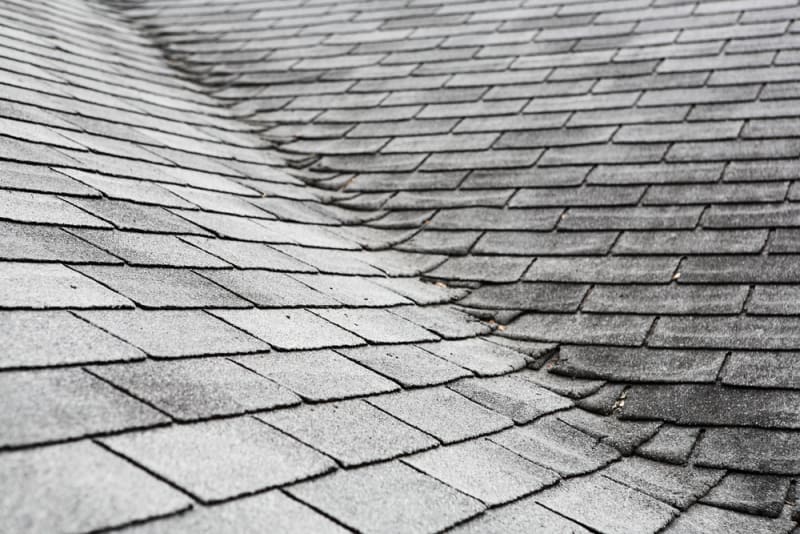
Roof valleys are the areas where two roof slopes meet. These sections naturally collect and channel large amounts of rainwater. In Portland's wet climate, valleys experience some of the heaviest water flow on the entire roof. Damaged shingles, worn flashing, or debris buildup can allow water to back up and penetrate beneath the roofing material. Valley leaks can spread surprisingly far before becoming visible inside the home.
Missing or Wind-Damaged Shingles
Strong windstorms occasionally lift, crack, or completely remove shingles. Even one missing shingle can expose vulnerable layers underneath. Water can then work its way into the underlayment and roof decking. Many homeowners never notice the damage from the ground. That's why a roof may leak months after a storm even if everything looked fine initially.
Vent Flashing Leaks
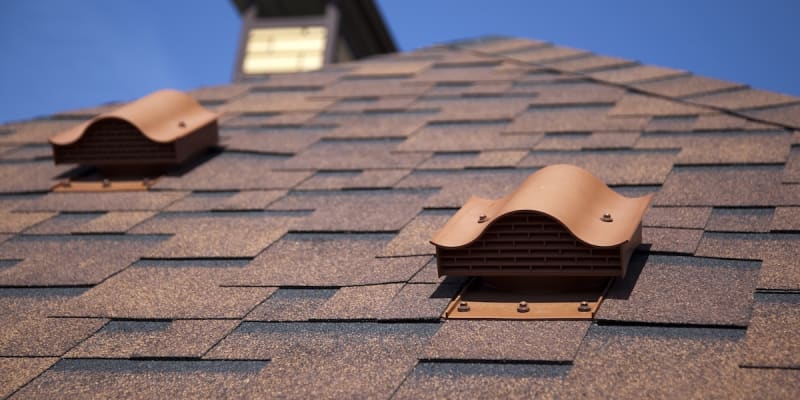
Bathroom vents, attic vents, and exhaust vents all require flashing to keep water out. Over time, sealants can dry out and flashing can loosen. Water often enters around the edges rather than through the vent itself. These leaks are especially common on older roofs where maintenance has been neglected. Early repairs are usually straightforward and cost-effective.
Damaged Roof-to-Wall Transitions
Any location where the roof meets a vertical wall requires carefully installed flashing. These transition areas are exposed to heavy water runoff during storms. If flashing is missing, damaged, or improperly installed, water can enter behind siding and roofing materials. We frequently discover hidden moisture damage in these locations. Because the leak is often concealed, homeowners may not realize there's a problem until significant damage has occurred.
Clogged Gutters Causing Water Backup
Many homeowners don't realize gutters can directly contribute to roof leaks. When gutters become clogged with leaves, moss, and debris, water has nowhere to go. Instead, it can back up beneath shingles and roofing components. Portland's abundance of trees makes this issue especially common. Regular gutter cleaning helps protect both the roof and foundation.
Moss-Related Water Intrusion
Moss is more than just a cosmetic problem. As it grows, it traps moisture against roofing materials and can lift shingle edges. This creates small pathways where water can enter the roof system. We've seen many leaks that started because moss was allowed to spread unchecked for years. Early moss treatment is significantly less expensive than repairing the damage it can cause.
Aging Flashing and Sealants
Even when shingles remain in decent condition, flashing and sealants eventually wear out. Caulking cracks, metal components loosen, and protective barriers deteriorate over time. These aging materials often become the first point of failure on an older roof. Water only needs a small opening to create a leak. Regular inspections help identify these weak spots before they become major problems.
The Good News: Most Leaks Start Small . The majority of roof leaks we find didn't begin as major roofing failures. They started with small flashing issues, aging components, minor storm damage, or deferred maintenance. When caught early, many leaks can be repaired quickly and affordably before they cause significant interior damage. During our free roof inspections, we'll identify exactly where water is entering, explain what's causing the problem, and provide honest recommendations for repair. No pressure. Just clear answers from local roofing professionals.