10 ROOF PROBLEMS PORTLAND HOMEOWNERS IGNORE UNTIL IT GETS EXPENSIVE
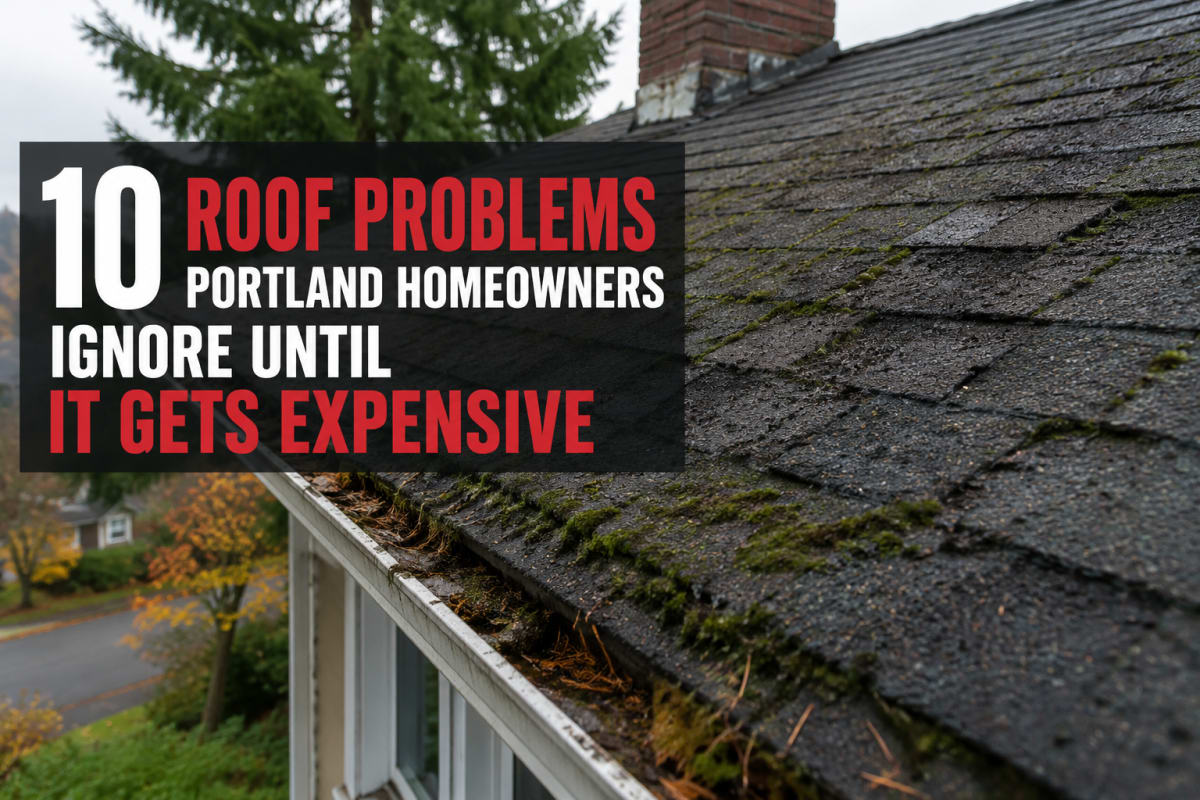
10 Things We Notice During Roof Inspections (That Homeowners Usually Don’t) Most roofs don’t fail overnight. Usually, the warning signs were there months — sometimes years — before leaks ever appeared inside the home. After inspecting roofs across the Portland area, these are the problems we see homeowners underestimate the most.
Small Granule Loss Is Usually The First Warning Sign
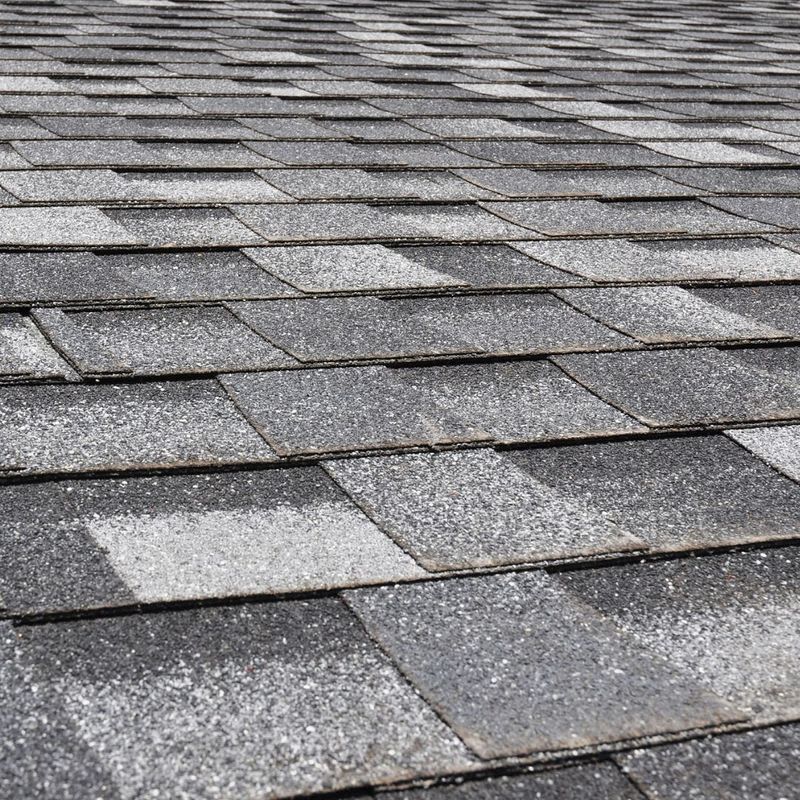
Most people never notice roof granules because they’re tiny. But those little granules protect shingles from rain, UV exposure, and daily weather changes. When we start seeing excess granules in gutters, the roof may already be entering a faster aging phase. It doesn’t automatically mean replacement is needed — but it’s usually the moment to start paying attention. Catching it early often creates more repair options later.
Roof Valleys Wear Out Faster Than The Rest Of The Roof
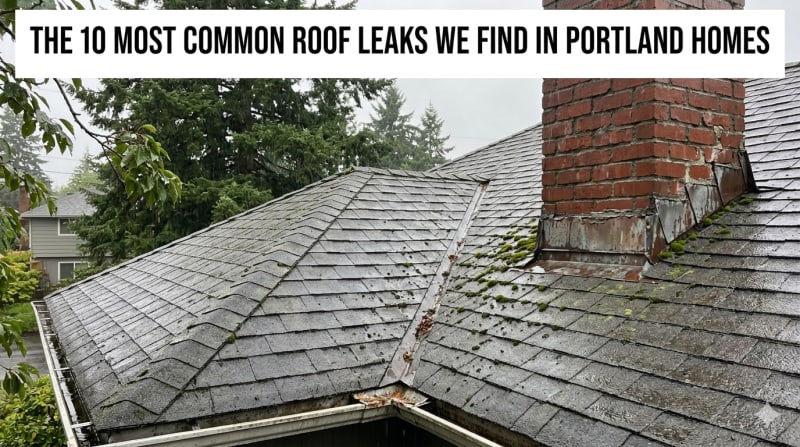
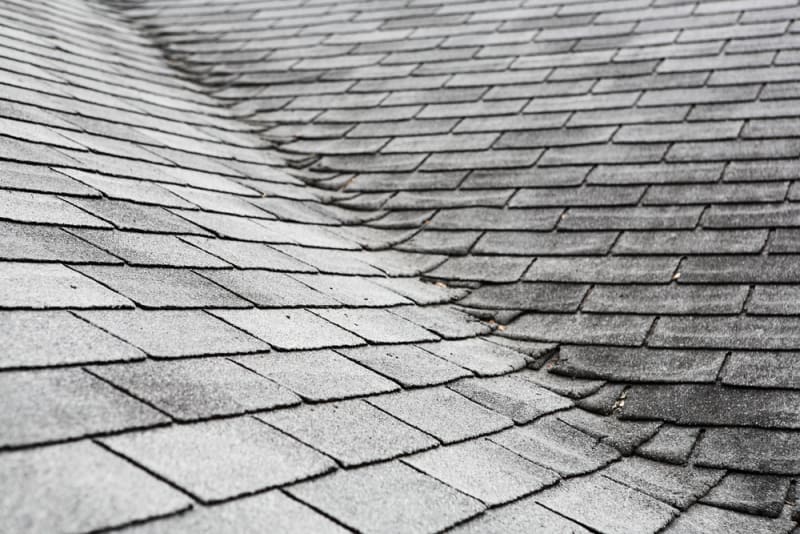
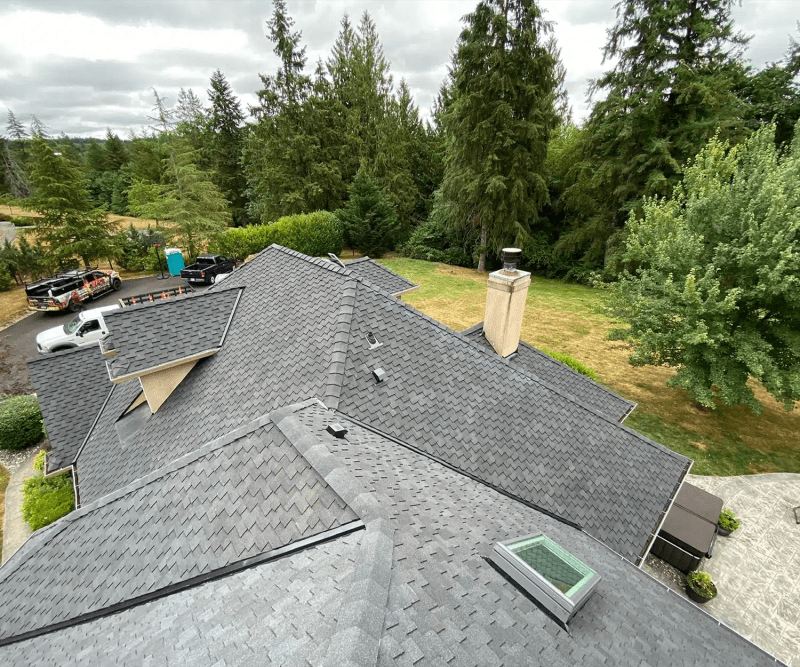
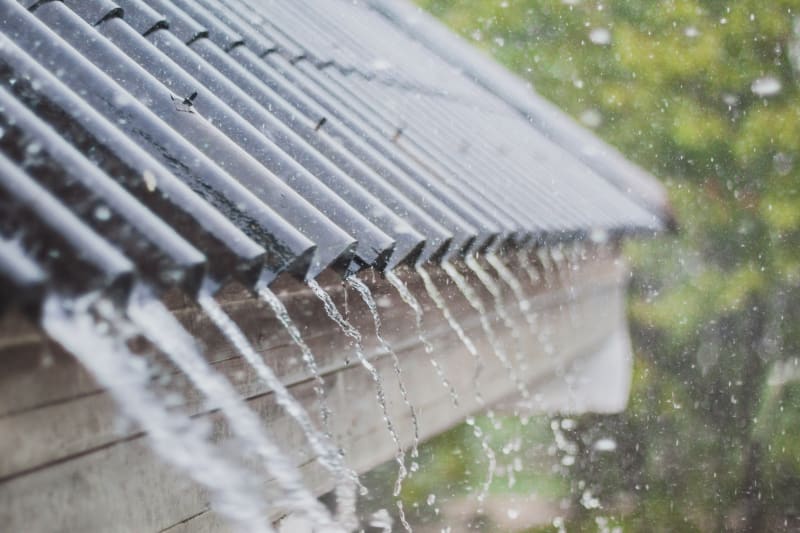
Roof valleys handle huge amounts of water during Portland’s rainy season. Even if the rest of the roof looks healthy, valleys often show earlier signs of wear. Minor flashing movement or surface deterioration can slowly allow water underneath. Since this area does so much work, it deserves extra attention during maintenance. A healthy valley can extend the life of the entire system.
Clogged Gutters Quietly Damage Roof Edges
Homeowners usually think gutters are separate from roofing — but they work together. When gutters stay full of debris, rainwater backs up under lower shingles and creates unnecessary moisture exposure. Over time this can affect fascia boards, roof edges, and even siding. Cleaning gutters regularly is one of the simplest ways to protect the roof above them. It’s small maintenance with surprisingly large impact.
Tiny Flashing Problems Become Bigger Than Roof Problems
Most leaks don’t start in the middle of shingles. They often begin around flashing details near chimneys, vents, skylights, and transitions. Small gaps can let moisture enter long before visible interior damage appears. Flashing repairs are usually much less expensive than widespread water repair later. This is one reason inspections matter more than homeowners expect.
Trees Affect Roof Lifespan More Than People Realize
Trees make neighborhoods beautiful — but they change roof conditions dramatically. Shade keeps moisture sitting longer and creates ideal conditions for moss and debris buildup. Branch movement can also create small surface wear over time. You don’t need to remove healthy trees — but trimming for airflow often helps more than people expect. More sunlight usually means drier shingles.
Poor Attic Ventilation Speeds Up Roof Aging
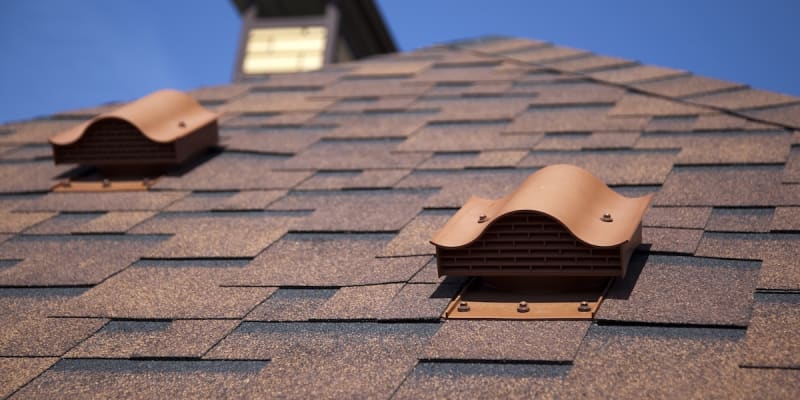
Many roofing issues actually start underneath the roof surface. Warm trapped attic air creates moisture imbalance that affects shingles over time. In winter, ventilation problems can contribute to condensation and shorten material life. A roof system performs best when airflow stays balanced. Ventilation upgrades are sometimes one of the smartest improvements homeowners can make.
Minor Repairs Are Usually Cheaper Than Waiting
A lifted shingle or loose flashing detail may not seem urgent. But moisture rarely stays in one place. What starts as a simple repair can spread into decking, insulation, and interior finishes. We’ve seen homeowners save thousands simply by acting sooner. Fast attention doesn’t always mean major work — sometimes it prevents it.
Different Roof Slopes Age At Different Speeds
Not every section of your roof experiences weather equally. North-facing slopes often hold moisture longer, while south-facing areas experience more sun exposure. Valleys, ridges, and low airflow zones all age differently too. That’s why a full roof replacement isn’t always necessary when one section has more wear. Understanding where aging happens matters.
New Roofs Still Need Maintenance
A newer roof doesn’t mean maintenance disappears. Small inspections, gutter cleaning, and occasional roof care help preserve performance year after year. Waiting until visible problems appear often means missing earlier warning signs. Maintenance isn’t about creating work — it’s about protecting the investment already made. The best roofs are usually the ones people consistently check.
The Roof Usually Tells You Before It Fails
Roofs rarely fail without giving clues first. Changes in appearance, moisture patterns, gutter buildup, or isolated repairs often happen long before major leaks. The challenge is knowing which signs actually matter. That’s why homeowners who inspect periodically usually make calmer, smarter decisions. Most expensive roofing problems started small.
During our free inspections, we walk homeowners through what we’re seeing, explain which issues matter now versus later, and help you make decisions without pressure or guesswork.