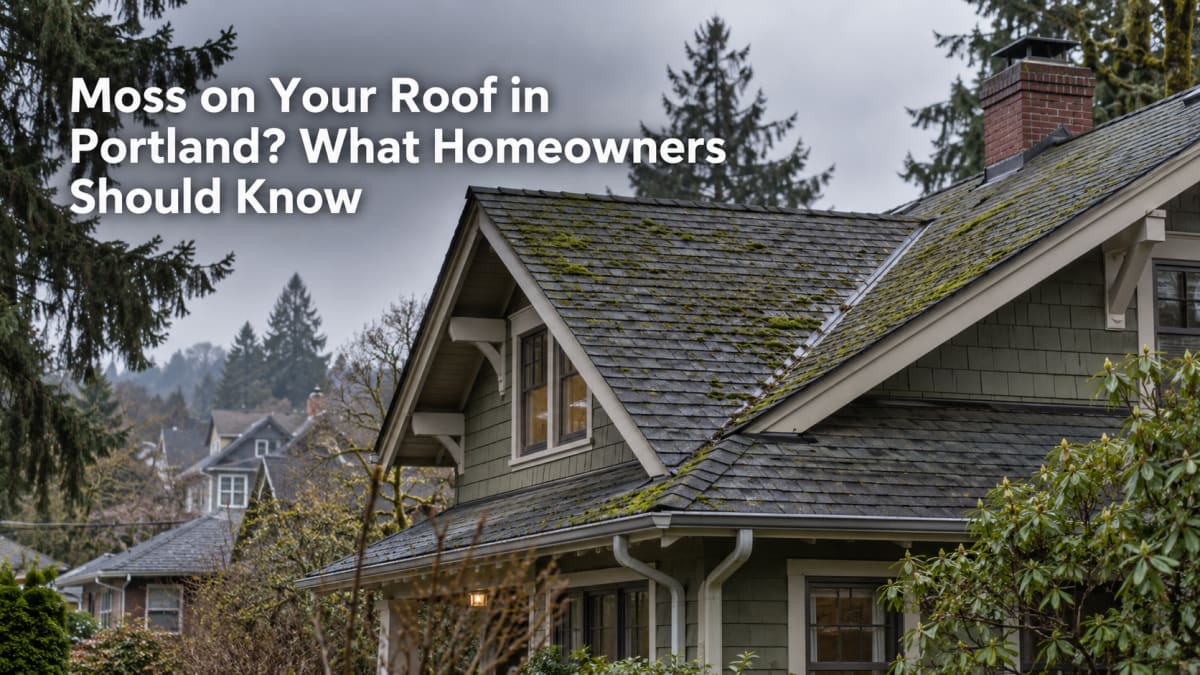
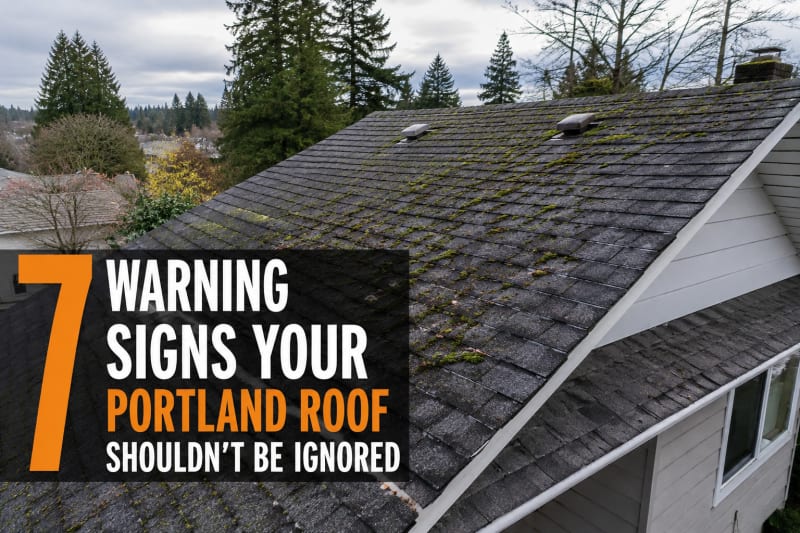
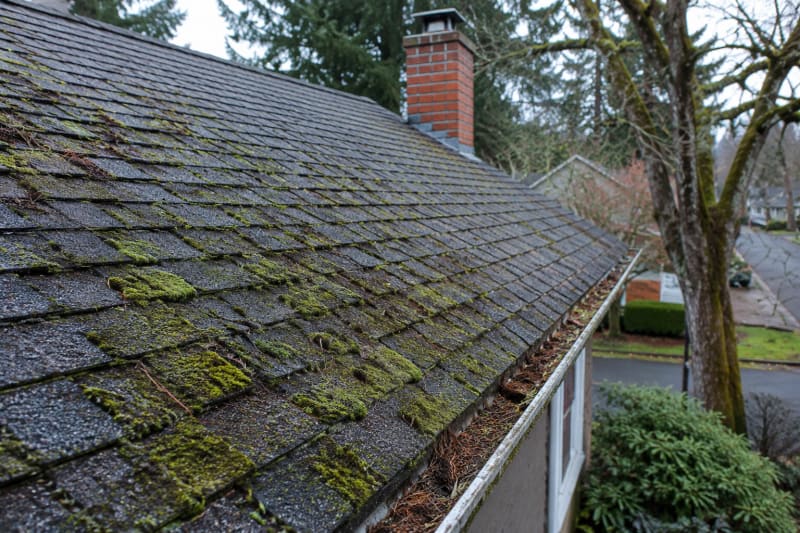
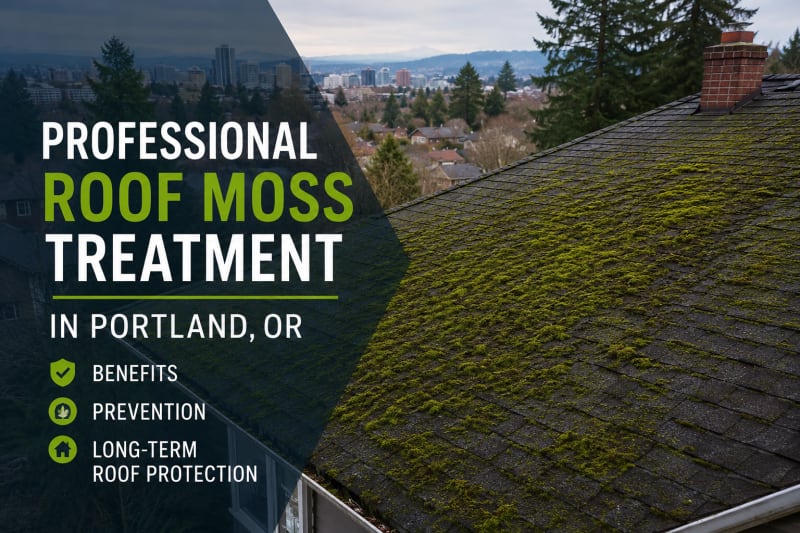
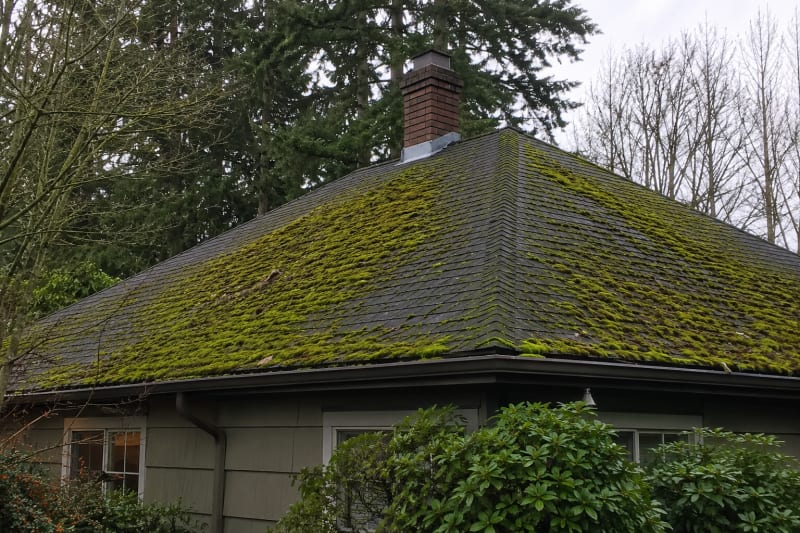
If you live in Portland, seeing moss on a roof is not unusual. Portland's wet climate, frequent rainfall, shaded properties, and abundant greenery can create favorable conditions for moss growth.
A small patch of moss may seem like nothing more than a cosmetic issue. But when moss becomes established, it can hold moisture against roofing materials, spread across larger areas, and make it more difficult to identify the actual condition of the shingles underneath.
That does not mean every roof with a little moss needs to be replaced—or that homeowners should immediately start scraping it away.
The right approach is to understand why moss is growing, how much is present, what condition the roof is in, and what type of treatment is appropriate.
At T Mix Roofing, we help Portland-area homeowners evaluate roofing concerns related to moss, moisture, aging shingles, ventilation, and regular maintenance. In this guide, we'll explain what Portland homeowners should know before deciding what to do about moss on their roof.
Why Does Moss Grow on Portland Roofs ?
Moss generally thrives where there is moisture, shade, and limited drying.
Portland's climate can provide many of those conditions, especially during the wetter months.
Several factors can contribute to moss growth:
✔ Frequent rainfall — Repeated wet conditions can keep roofing surfaces damp.
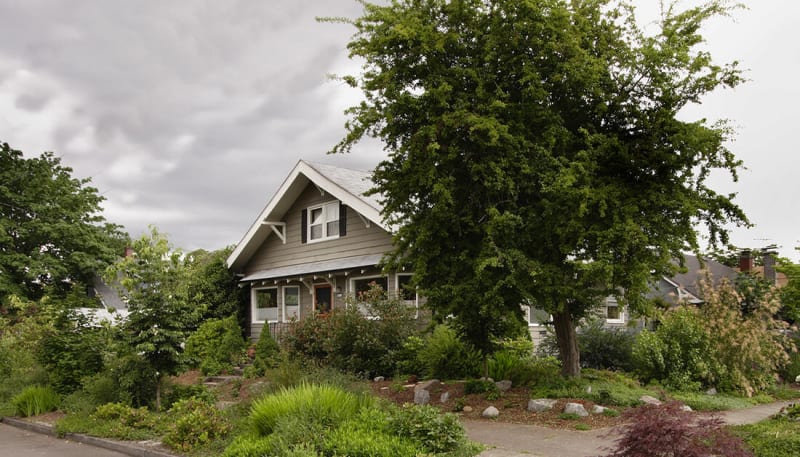
✔ Heavy shade — Trees and nearby structures can limit sunlight and slow drying.
✔ Overhanging branches — Trees can drop leaves, needles, and other organic debris onto the roof.
✔ Poor airflow — Areas with limited air movement may stay damp longer.
✔ Accumulated debris — Leaves and organic material can retain moisture against the roof.
✔ Roof orientation — Some roof sections receive less direct sunlight than others.
This is why one side of a house may have significant moss while another section remains relatively clear.
Is Moss on a Roof Just a Cosmetic Problem ?
Not always.
A small amount of moss may initially appear to be mainly an appearance issue. However, established moss can create conditions that are harder on roofing materials.
Moss can hold moisture against the surface of shingles. As it grows, it can also work around the edges of roofing materials.
Potential concerns include:
✔ Persistent moisture — Moss can keep portions of the roof damp for longer periods.
✔ Shingle disturbance — Established growth can work underneath or between roofing materials.
✔ Debris accumulation — Moss and organic debris can collect together in certain areas.
✔ Reduced visibility — Heavy moss can make it harder to evaluate the condition of the shingles.
✔ Faster deterioration of vulnerable materials — Continued moisture exposure can contribute to roofing material deterioration over time.
The severity depends on the amount of moss, the type and condition of the roofing material, how long it has been present, and the overall roof environment.
How Can You Tell If Moss Has Become a Bigger Problem ?
Not every roof with moss has the same level of concern.
A few small patches should be approached differently from a roof where moss has spread across large sections.
Pay attention to:
✔ Moss spreading across multiple areas of the roof
✔ Moss growing around or beneath shingle edges
✔ Thick moss buildup
✔ Large amounts of leaves and organic debris
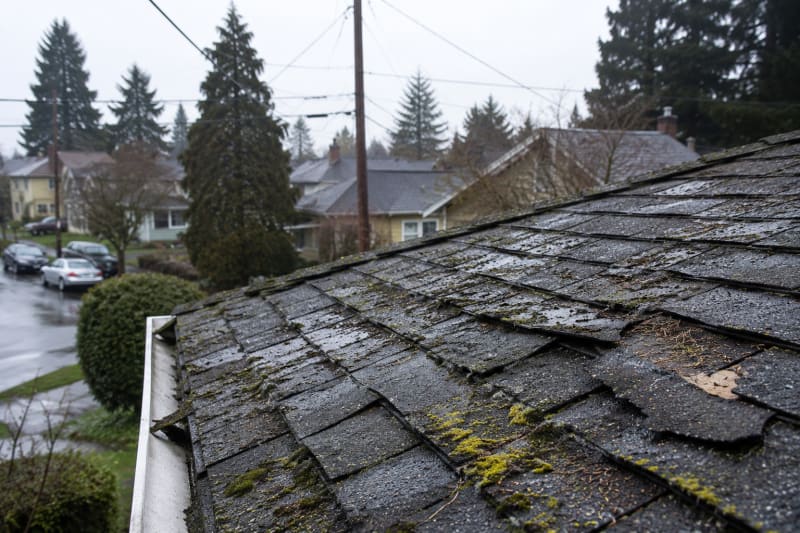
✔ Shingles that appear lifted, damaged, or deteriorated
✔ Visible water stains inside the home
✔ Areas of the roof that remain consistently damp
If you are unsure how serious the growth is, a professional roof inspection can help determine whether the issue is primarily maintenance-related or whether the roofing materials are also showing signs of deterioration.
Should You Remove Moss From Your Roof ?
In many cases, established moss should not simply be ignored.
However, how you remove it matters.
One of the biggest mistakes homeowners can make is aggressively scraping, brushing, or pressure-washing roofing materials without understanding how those methods can affect the shingles.
Roofing materials are designed to protect the home from weather—not to withstand aggressive cleaning methods.
Before attempting moss removal, consider the condition and age of the roof.
✔ Don't aggressively scrape shingles — Excessive force can damage the roofing surface.
✔ Don't pressure-wash your roof — High-pressure water can potentially damage roofing materials.
✔ Don't walk on a wet, moss-covered roof — It can be extremely slippery and unsafe.
✔ Don't assume all moss problems are the same — The appropriate approach depends on the roof's condition.
✔ Consider professional moss treatment — A roofing professional can evaluate the roof and recommend an appropriate approach.
Why Portland Homeowners Should Be Careful With DIY Moss Removal
Moss removal can look like a simple weekend project.
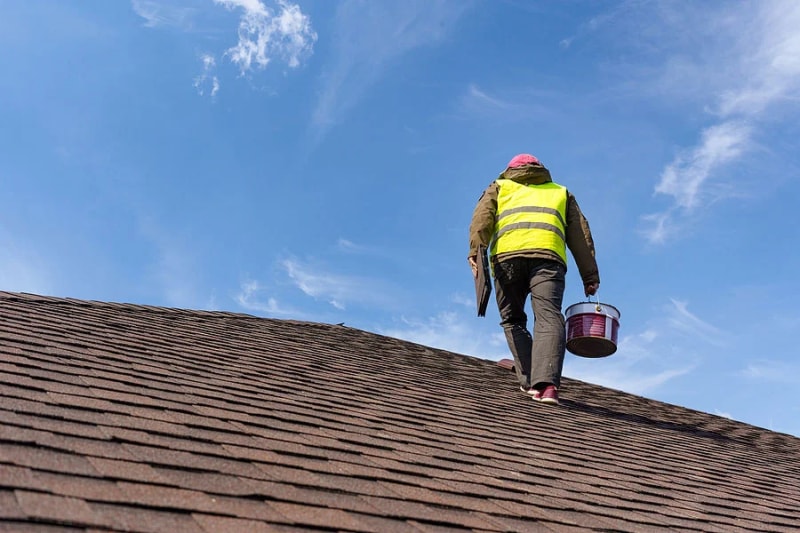
But climbing onto a roof introduces safety risks, especially when the surface is wet or covered with moss.
There is also a difference between removing moss and protecting the roofing material while removing it.
A homeowner who uses a stiff brush or pressure washer may remove the visible moss but unintentionally damage shingles in the process.
That's why professional evaluation can be worthwhile, particularly when moss is widespread or the roof is older.
Moss Can Be a Warning Sign About Your Roof Environment
Moss itself is only part of the story.
If moss keeps returning after treatment, it may be worth looking at the conditions that allow it to grow.
For example:
Shade + Moisture + Debris + Limited Drying = Favorable Conditions for Moss
That means simply treating the visible moss may not address the underlying environment.
Homeowners should also consider:
✔ Nearby tree growth
✔ Overhanging branches
✔ Roof drainage
✔ Gutter condition
✔ Ventilation
✔ Amount of sunlight reaching the roof
✔ Recurring debris accumulation
A roof inspection can help identify whether additional maintenance is needed.
How Trees Contribute to Moss on Portland Roofs
Trees are one of the most common environmental factors around moss-prone roofs.
Mature trees can create shade and drop leaves, needles, and small branches onto the roof. This can contribute to moisture retention and organic debris accumulation.
However, homeowners should not automatically remove trees simply because moss is growing.
Instead, consider whether tree maintenance could improve the roof environment.
✔ Trim branches that heavily overhang the roof when appropriate
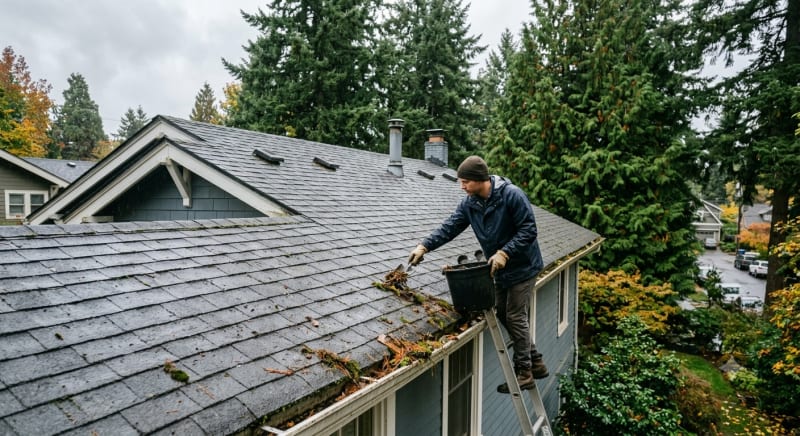
✔ Keep gutters clear of accumulated leaves and needles
✔ Monitor shaded roof sections
✔ Remove accumulated debris using appropriate methods
✔ Have recurring moss growth evaluated
A qualified tree professional can advise homeowners about significant tree trimming or removal decisions.
Don't Forget Your Gutters
Moss and roof maintenance are closely connected to gutter maintenance.
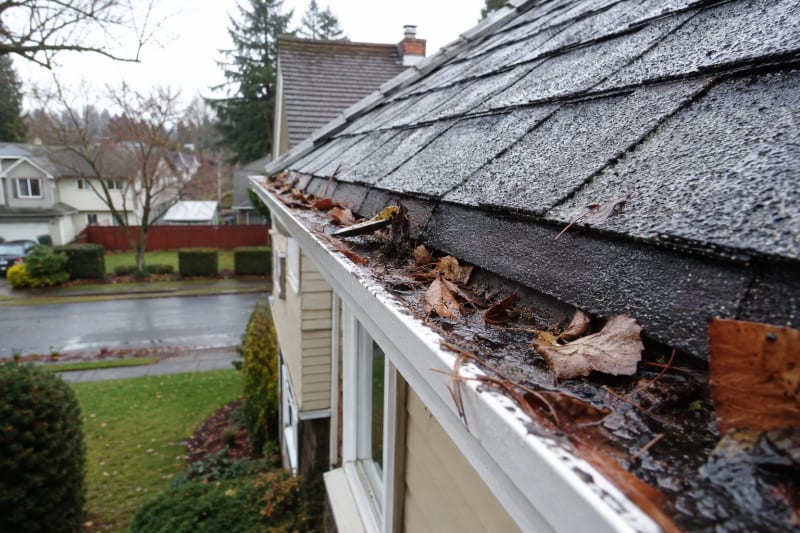
When leaves and needles fall from nearby trees, they can accumulate in gutters and downspouts. If drainage becomes restricted, water may not move away from the roof as intended.
For Portland homeowners, regular gutter maintenance can help support the overall roof drainage system.
Look for:
✔ Overflowing gutters
✔ Slow-draining downspouts
✔ Heavy leaf accumulation
✔ Debris collecting along roof edges
✔ Water stains or moisture around exterior areas
A roof can only drain properly when the surrounding drainage system is functioning as intended.
Can Moss Shorten the Life of a Roof ?
Moss does not automatically mean that a roof has reached the end of its life.
However, persistent moisture and established moss can contribute to conditions that are unfavorable for roofing materials.
The actual lifespan of a roof depends on many factors, including:
✔ Roofing material
✔ Installation quality
✔ Climate and weather exposure
✔ Ventilation
✔ Maintenance
✔ Moisture exposure
✔ Tree and shade conditions
✔ Age of the roof
For that reason, homeowners should not use moss alone to decide whether a roof needs replacement.
A professional inspection is a better way to determine the actual condition of the roofing system.
Moss Does Not Automatically Mean You Need a New Roof
This is an important distinction.
Homeowners sometimes see extensive moss and immediately assume the entire roof needs to be replaced.
That conclusion cannot be made from moss alone.
A professional should look at the condition of the shingles and other roof components.
The inspection may reveal:
Moss + Healthy Roofing Materials → Maintenance/Treatment May Be Appropriate
or
Moss + Significant Roofing Deterioration → Repair or Replacement May Need to Be Considered
The correct solution depends on the actual condition of the roof.
When Should You Schedule a Roof Inspection ?
Consider a professional roof inspection if:
✔ Moss has spread across a large portion of the roof
✔ You are unsure how long the moss has been present
✔ The roof is older
✔ Shingles appear damaged or deteriorated
✔ You notice water stains inside the home
✔ The roof is heavily shaded
✔ Moss repeatedly returns after treatment
✔ You see damaged flashing or roof edges
✔ You are planning to buy or sell the home
An inspection can help you understand whether you're dealing with a maintenance issue, a repair issue, or a roof that is approaching the end of its useful service life.
How to Help Prevent Moss From Returning
There is no way to guarantee that moss will never return on a Portland roof.
The goal is to reduce the conditions that encourage it.
Maintain Nearby Trees
Keep an eye on branches that create heavy shade or drop significant debris onto the roof.
Keep Gutters Clean
Regular gutter maintenance helps keep the roof drainage system functioning properly.
Address Roof Debris
Leaves, needles, and branches should not be allowed to accumulate indefinitely.
Monitor Shaded Areas
Pay particular attention to sections of the roof that receive little direct sunlight.
Maintain Proper Ventilation
Proper attic ventilation can be an important part of managing moisture within the roofing system.
Schedule Periodic Inspections
A professional inspection can identify developing concerns before they become larger problems.
Portland Moss Season: When Should Homeowners Pay Attention ?
Moss can be present at different times of the year, but Portland's wetter conditions make ongoing roof maintenance important.
Rather than waiting until moss becomes thick and widespread, homeowners should make roof observation part of their regular home maintenance routine.
A good time to pay extra attention is after periods of prolonged wet weather.
Look for:
✔ New moss growth
✔ Debris accumulation
✔ Clogged gutters
✔ Visible shingle damage
✔ Areas where water appears to collect
✔ Changes in roof appearance
Early attention can make maintenance more manageable.
T Mix Roofing: Professional Roof Maintenance in Portland
T Mix Roofing has more than 30 years of roofing experience serving Portland-area homeowners.
The company works with homeowners throughout Portland, Beaverton, Hillsboro, Tigard, Lake Oswego, Gresham, Oregon City, Milwaukie, Tualatin, Sherwood, West Linn, Happy Valley, and surrounding communities within its service area.
T Mix Roofing can help homeowners evaluate roofing concerns involving moss, moisture, aging shingles, ventilation, roof damage, and general maintenance.
Services include:
✔ Professional Roof Inspections — Evaluate the condition of the roofing system and identify areas requiring attention.
✔ Moss Treatment — Address established moss using appropriate professional methods.
✔ Roof Repairs — Repair roofing problems when the condition of the roof makes repair appropriate.
✔ Roof Replacement — Help homeowners determine when an aging or deteriorated roof may require replacement.
✔ Roof Maintenance — Identify and address developing issues before they become more significant.
✔ Attic Ventilation Evaluation — Look at ventilation conditions that may contribute to moisture-related roofing concerns.
Pro Tips From 30+ Years of Roofing Experience
✔ Don't Ignore Small Moss Growth
A small amount of moss may not mean your roof is failing, but it is a good reason to start paying attention to the roof's environment.
✔ Don't Pressure-Wash Your Roof
High-pressure cleaning can cause unnecessary damage to roofing materials. Moss should be addressed using methods appropriate for the specific roofing system.
✔ Look at the Trees Around Your Home
If moss repeatedly returns, nearby trees and heavy shade may be part of the reason.
✔ Keep Gutters Part of Your Roof Maintenance Plan
Leaves and needles from nearby trees can quickly create drainage problems.
✔ Don't Assume Moss Means Roof Replacement
The presence of moss alone does not determine whether a roof needs replacement. The condition of the roofing materials needs to be evaluated.
✔ Think About Prevention
Regular maintenance, debris management, gutter care, tree management, and roof inspections can help homeowners stay ahead of recurring moss problems.
Frequently Asked Questions About Moss on Portland Roofs
1. Is moss on a Portland roof normal?
Moss is relatively common in Portland because the local climate can provide moisture and shaded conditions that encourage its growth. However, common does not mean it should simply be ignored when it becomes established.
2. Does moss damage roof shingles?
Established moss can hold moisture against roofing materials and may work around shingle edges. The potential impact depends on how much moss is present and the condition of the roof.
3. Should I remove moss from my roof myself?
Homeowners should be cautious with DIY moss removal. Climbing onto a wet or moss-covered roof creates safety risks, while aggressive scraping or pressure washing can damage roofing materials.
4. Does moss mean I need a new roof?
No. Moss alone does not mean that a roof needs replacement. A professional inspection can determine whether the shingles and other roofing components are still in serviceable condition.
5. Why does moss keep coming back after I remove it?
Recurring moss can be related to persistent moisture, shade, nearby trees, debris, and limited drying. Treating the moss without addressing the surrounding conditions may allow it to return.
6. Can trees make moss worse?
Yes. Trees can create shade and contribute leaves, needles, and other debris to the roof. These conditions can help a roof stay damp longer.
7. How often should I inspect my roof for moss?
The appropriate frequency depends on the roof, surrounding trees, shade, age, and maintenance history. Homeowners with heavily shaded or tree-covered properties should monitor their roofs regularly.
8. Can T Mix Roofing help with moss on my Portland roof?
Yes. T Mix Roofing provides professional moss treatment, roof inspections, repairs, maintenance, and roof replacement services for homeowners throughout Portland and surrounding communities.
Final Thoughts: Don't Let Moss Become a Bigger Roofing Problem
Moss is part of living in the Pacific Northwest, but homeowners do not have to simply accept heavy moss growth as inevitable.
The key is early observation and proper maintenance.
Keep an eye on shaded areas, manage roof debris, maintain your gutters, pay attention to nearby trees, and avoid aggressive DIY cleaning methods that could damage your shingles.
Most importantly, don't assume that moss automatically means you need a new roof.
A professional inspection can help you understand what is actually happening on your roof and whether moss treatment, maintenance, repair, or replacement is appropriate.
If you're seeing moss on your Portland-area roof and aren't sure what to do next, T Mix Roofing can help evaluate the condition of your roof and recommend the appropriate next step.
Serving Portland and surrounding communities, T Mix Roofing provides professional roof inspections, moss treatment, roof repairs, maintenance, and roof replacement services backed by more than 30 years of roofing experience.