WHY ROOF FLASHING IS MORE IMPORTANT THAN MOST HOMEOWNERS REALIZE
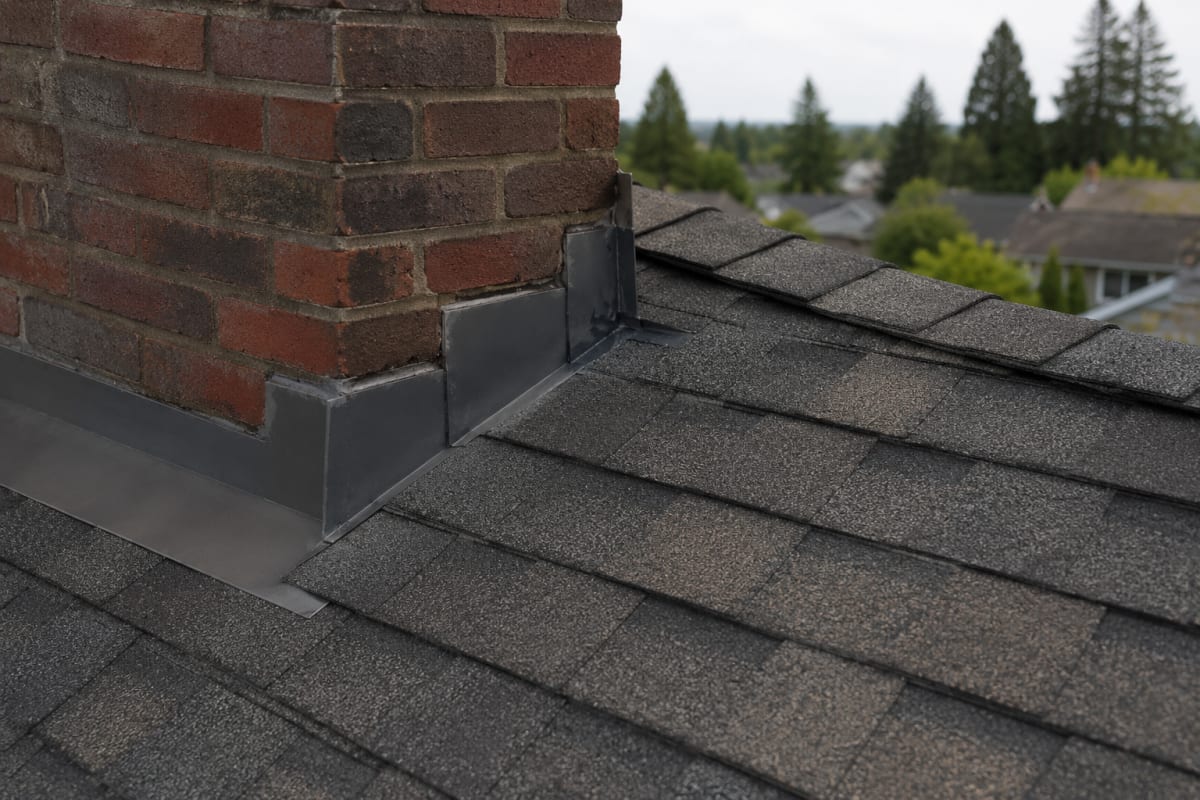
Most Roof Leaks Don't Start in the Shingles. When homeowners think about their roof, they usually focus on the shingles. But after years of inspecting roofs throughout Portland, we've found that many leaks don't start in the middle of the roof at all. Instead, they begin around flashing—the metal material installed around roof penetrations, walls, chimneys, skylights, and other vulnerable areas. In fact, a roof with perfectly good shingles can still leak if the flashing fails. Here are 10 reasons why roof flashing matters more than most homeowners realize.
Flashing Protects the Most Vulnerable Areas of Your Roof
Shingles do a great job protecting large, open sections of the roof. But whenever something interrupts that surface—such as a chimney, vent, skylight, or wall—water has an opportunity to enter. Flashing creates a waterproof barrier around these areas and directs water away safely. Without properly installed flashing, even a newer roof can develop leaks. That's why professional roof inspections always pay close attention to flashing details.
Most Roof Leaks Start Around Flashing
When we investigate leaks, the culprit is often flashing rather than shingles. Water naturally follows the path of least resistance. If flashing becomes loose, damaged, or improperly sealed, moisture can enter long before the shingles show signs of failure. Many homeowners are surprised to learn their leak wasn't caused by the roof covering itself. Small flashing issues often create the biggest headaches.
Chimney Flashing Takes a Beating Every Year
Chimneys are one of the most common leak sources in Portland homes. Rainwater constantly flows around the base of the chimney during the wet season. Over time, flashing can separate, rust, or become damaged due to movement and weather exposure. Once gaps form, water starts working its way underneath the roofing materials. Proper chimney flashing is often the difference between a dry attic and an expensive repair.
Vent Pipes Depend on Flashing to Stay Watertight
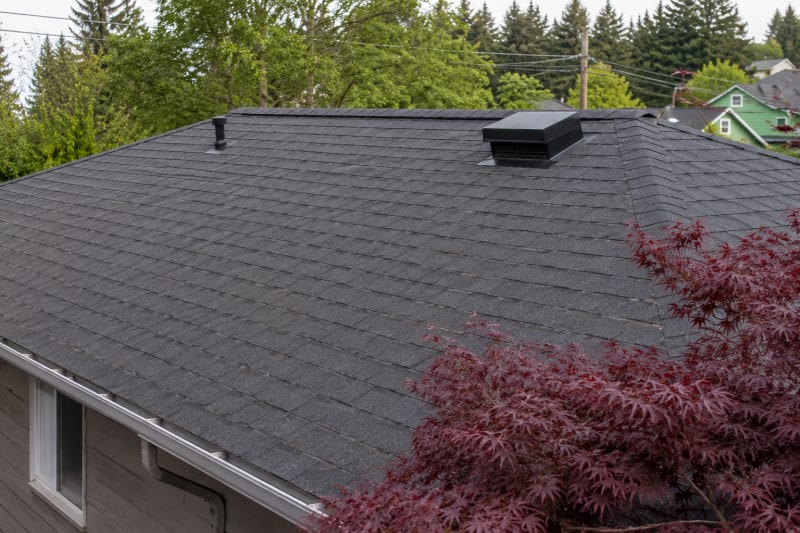
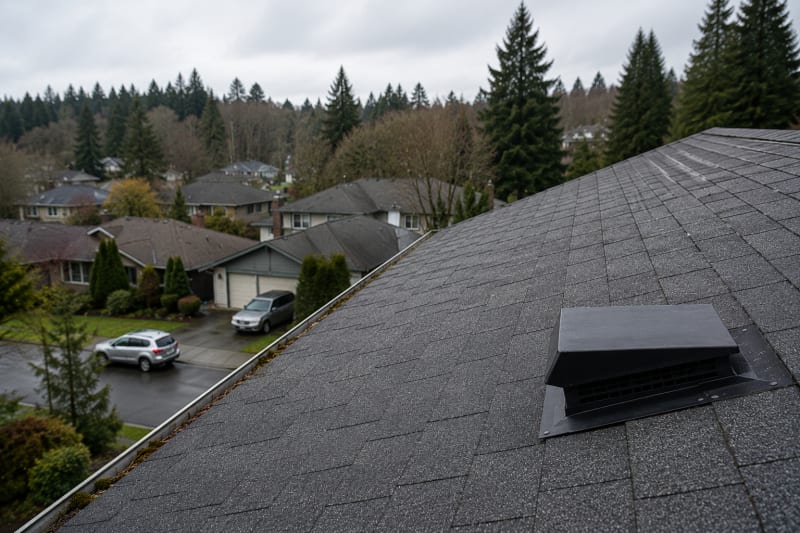
Every plumbing vent that passes through your roof relies on flashing protection. The rubber and metal components around these penetrations are exposed to sunlight, rain, and temperature changes year after year. As materials age, cracks and deterioration become more common. Once flashing around a vent begins failing, water can enter directly into the attic space. Fortunately, these problems are usually easy to fix when caught early.
Flashing Around Skylights Is Critical
Skylights bring natural light into a home, but they also create one of the most sensitive areas on a roof. Water constantly flows around skylight frames during rainstorms. If flashing isn't installed correctly or begins to deteriorate, leaks can develop around the opening. Homeowners often assume the skylight itself is defective when the flashing is actually the problem. Regular inspections can help prevent these issues.
Portland's Weather Is Tough on Flashing
Portland roofs experience months of rain every year. Flashing components expand and contract as temperatures change, while constant moisture accelerates wear. Over time, sealants dry out and metal components can shift. Even well-installed flashing eventually requires maintenance or replacement. The longer small issues are ignored, the greater the chance of water intrusion.
Flashing Problems Are Often Invisible From the Ground
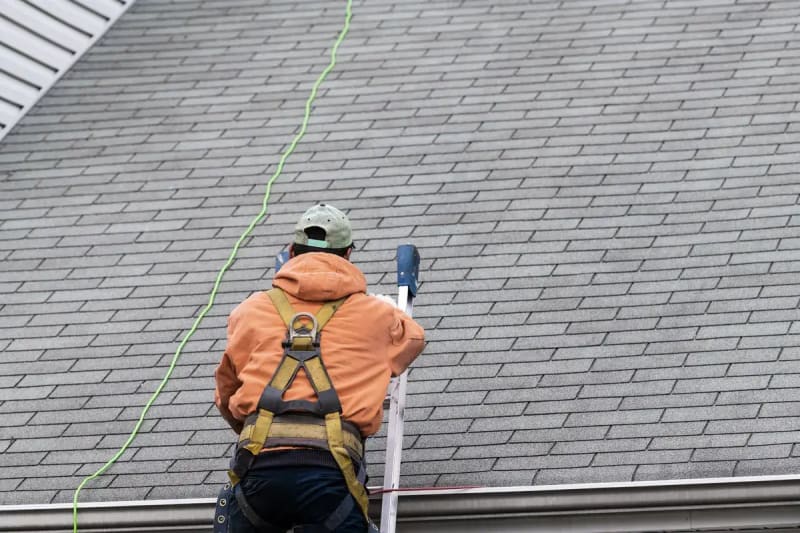
One challenge with flashing failures is that they're difficult to spot from your driveway. The roof may appear perfectly fine while small gaps are developing around critical areas. Homeowners usually don't discover the issue until water stains appear inside the home. By then, moisture may have already affected insulation, drywall, or decking. That's why periodic roof inspections are so valuable.
Poor Flashing Installation Causes Long-Term Problems
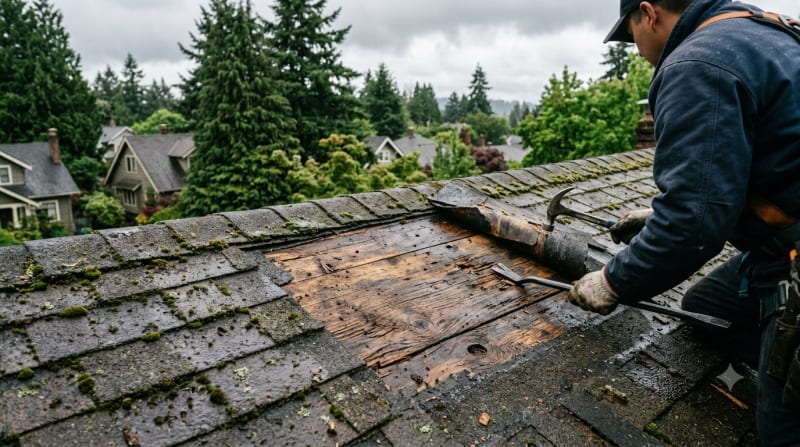
Even high-quality roofing materials can't compensate for poorly installed flashing. If flashing isn't properly layered, secured, or integrated with surrounding materials, leaks often develop sooner rather than later. We've inspected relatively new roofs where flashing mistakes caused major water issues. Quality workmanship matters just as much as quality materials. Proper installation helps roofs perform as intended for years.
Flashing Repairs Are Usually Less Expensive Than Water Damage
Many flashing problems start small and can be repaired without major roofing work. A loose section, cracked sealant, or aging component is often a straightforward fix. The real expense comes when water is allowed to enter for months or years. Interior repairs, insulation replacement, mold remediation, and structural damage can add up quickly. Addressing flashing early typically saves homeowners money.
Healthy Flashing Helps Extend Roof Life
A roofing system works best when all components work together. Strong shingles won't perform properly if flashing is failing around vulnerable areas. Keeping flashing in good condition helps prevent moisture intrusion and protects the roof structure underneath. It also reduces the likelihood of emergency repairs during Portland's rainy season. In many cases, maintaining flashing helps maximize the lifespan of the entire roof.
The Bottom Line : Most homeowners pay attention to shingles because they're easy to see. But flashing is often doing the most important job on the roof—protecting the areas where leaks are most likely to occur. When flashing fails, water can bypass otherwise healthy roofing materials and create damage inside the home. During our free roof inspections, we carefully inspect all flashing components, identify potential problem areas, and explain what needs attention before leaks develop. No pressure. Just honest answers from a local Portland roofing team.