UNDERSTANDING ROOF DECKING CONDITION IN PORTLAND HOMES
Q:What exactly is roof decking?
Todd:"Roof decking is the wooden surface underneath your shingles. It's the foundation of your entire roofing system. Every shingle, nail, vent, flashing, and roofing component is attached to the decking. If the decking isn't solid, the roof above it can't perform properly."
Q:Why don't homeowners hear much about roof decking?
Todd:"Because it's hidden. When people look at a roof, they see shingles. They don't see what's underneath. But during roof replacements, we often discover that the condition of the decking is just as important as the condition of the shingles."
Q:What causes roof decking to deteriorate?
Todd:"Moisture is the biggest culprit. Portland gets plenty of rain, and over the years leaks, poor ventilation, overflowing gutters, and trapped moisture can weaken the wood. Sometimes the damage is obvious. Other times it's hidden beneath perfectly normal-looking shingles."
Q:Can a roof have bad decking without leaking inside?
Todd:"Absolutely. We've removed shingles from roofs that never showed interior leaks, only to discover soft spots, moisture damage, and weakened decking underneath. That's why professional inspections are so valuable."
Q:What signs might indicate decking problems?
Todd:"Some common warning signs include: • Sagging roof sections • Soft spots when walking on the roof • Persistent leaks • Mold or mildew in the attic • Water stains on rafters • Excess moisture in attic spaces • Uneven roof lines These don't always mean decking damage, but they're definitely worth investigating."
Q:Is decking damage common in Portland?
Todd:"More common than people think. The combination of rain, moss growth, shaded roofs, and aging ventilation systems creates conditions where moisture can slowly affect decking over many years."
Q:Does moss contribute to decking damage?
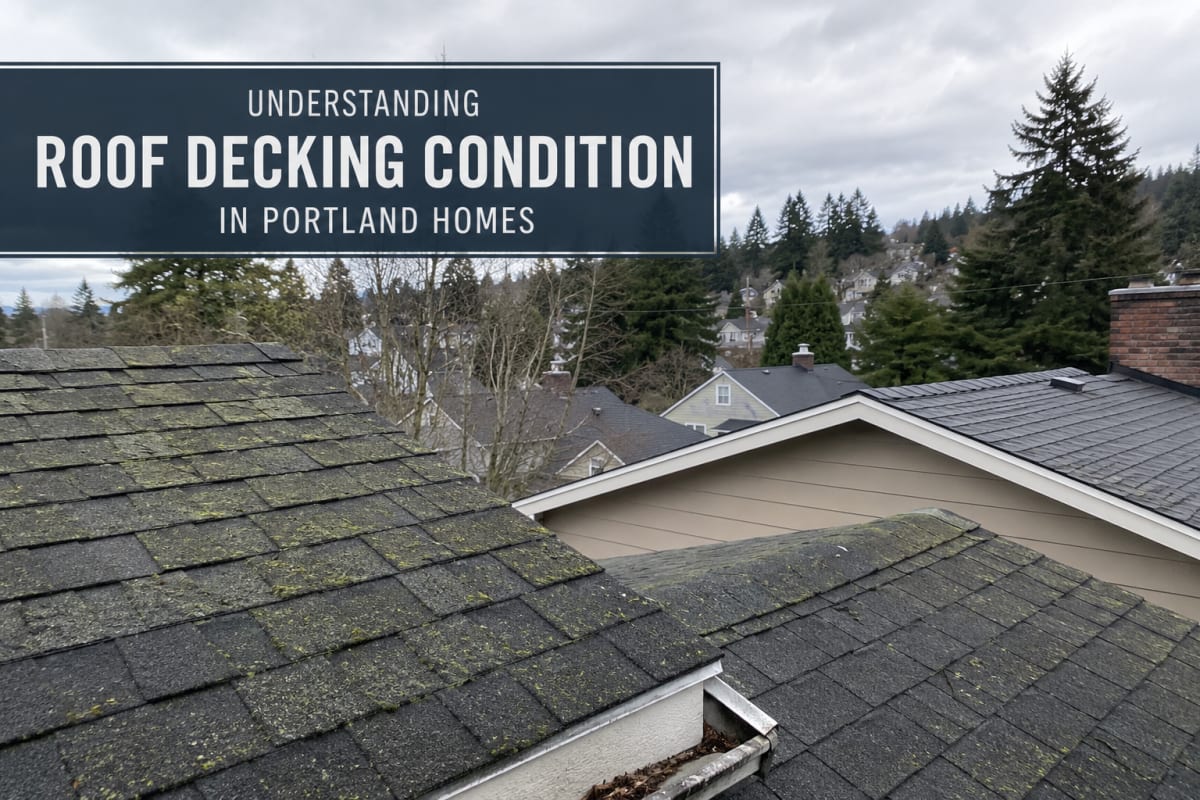
Todd:"Indirectly, yes. Moss holds moisture against roofing materials. Over time, that moisture can work its way deeper into the roofing system. The longer moisture stays trapped, the greater the risk of damage below."
Q:When do you usually inspect decking?
Todd:"The most complete inspection happens during a roof replacement because the decking becomes fully visible. However, attic inspections often give us clues long before replacement becomes necessary."
Q:Does damaged decking always need complete replacement?
Todd:"Not at all. Many times only specific sections need to be replaced. The goal is always to preserve what's still structurally sound while replacing damaged areas."
Q:How does ventilation affect roof decking?
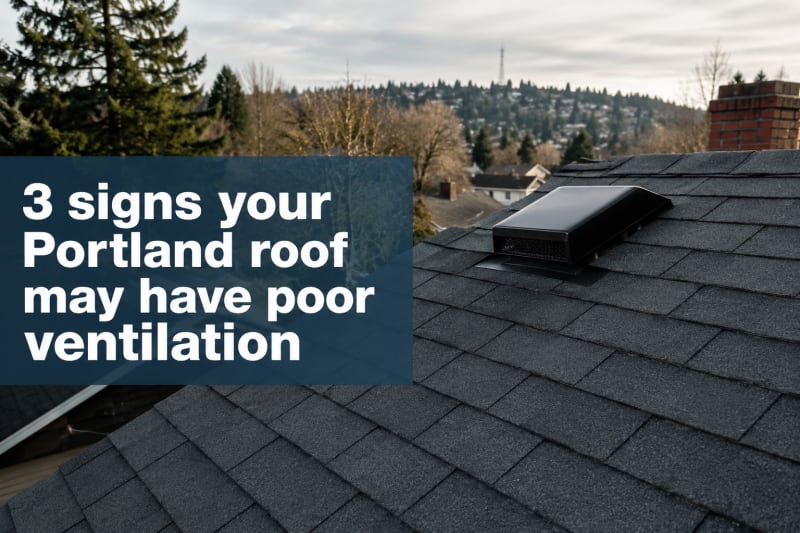
Todd:"Huge impact. Poor ventilation traps warm, moist air inside the attic. That moisture can condense on the underside of the decking year after year. We've seen roofs where ventilation issues caused more damage than the weather itself."
Q:What's the biggest misconception homeowners have about decking?
Todd:"People assume shingles are the roof. Shingles are important, but they're only one layer. The decking underneath plays a critical role in the strength, durability, and lifespan of the entire system."
Q:What advice would you give Portland homeowners?
Todd:"Don't wait for major warning signs. Regular inspections help identify small issues before they affect the structure underneath. The earlier you catch moisture problems, the better your chances of avoiding expensive repairs."