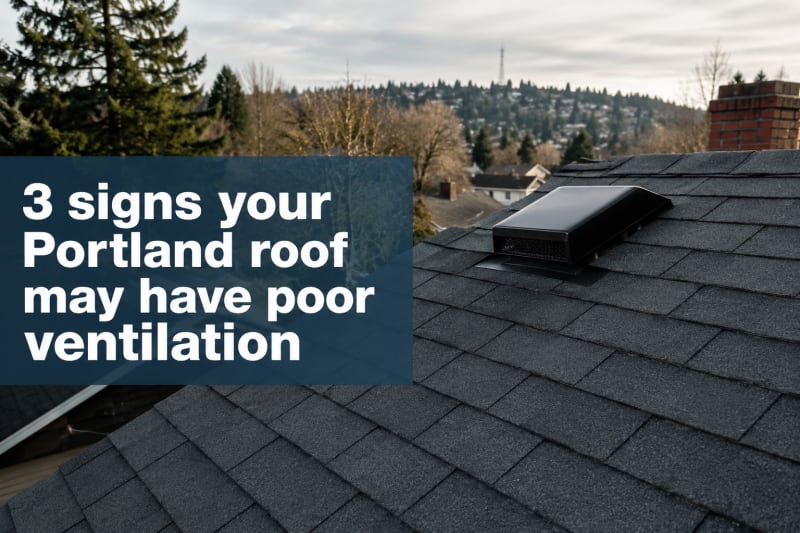
WHY PORTLAND HOMEOWNERS SHOULD CARE ABOUT ATTIC VENTILATION (MORE THAN THEY THINK)
“Our roof looked fine… until we saw what was happening underneath.” A lot of Portland homeowners think roofing problems start on top of the shingles. But some of the biggest problems actually start inside the attic. Poor ventilation traps moisture, overheats materials, shortens roof life, and quietly creates expensive problems long before leaks appear. Here are 10 things Portland homeowners should know about attic ventilation before it costs them thousands.
Your Roof Needs to Breathe
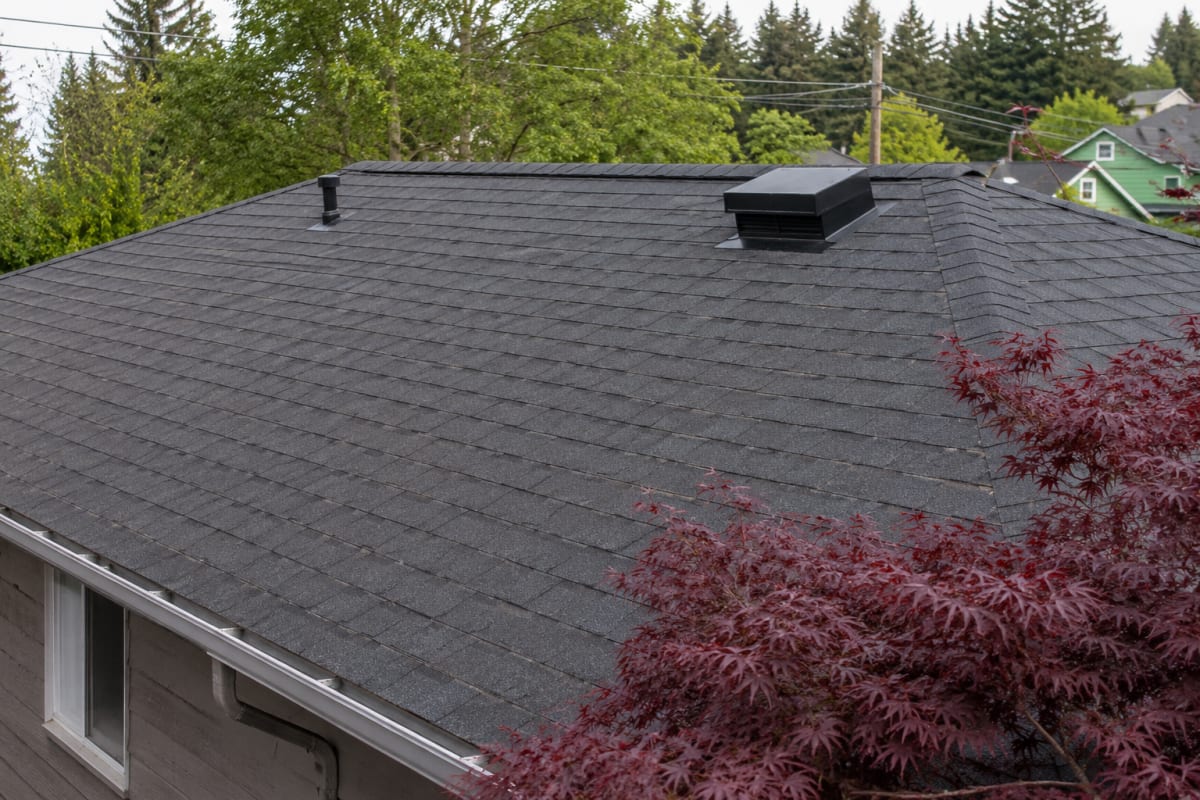
Your roof is designed as a complete system — not just shingles. Air needs to enter through intake vents and exit through exhaust vents to move moisture and heat outside. When airflow slows down, condensation starts building inside the attic. Over time that moisture settles into wood, insulation, and roofing materials. Most homeowners never notice until visible damage appears.
Moisture Builds Up Even Without a Roof Leak
One of the biggest surprises during inspections is finding moisture where there are no leaks. Daily activities like showers, cooking, laundry, and heating create humidity that rises into the attic. Without ventilation, it stays trapped. Wet attic spaces eventually lead to mold, warped decking, and insulation failure. Your roof can look perfect outside while problems grow underneath.
Portland Winters Create Ideal Conditions for Hidden Damage
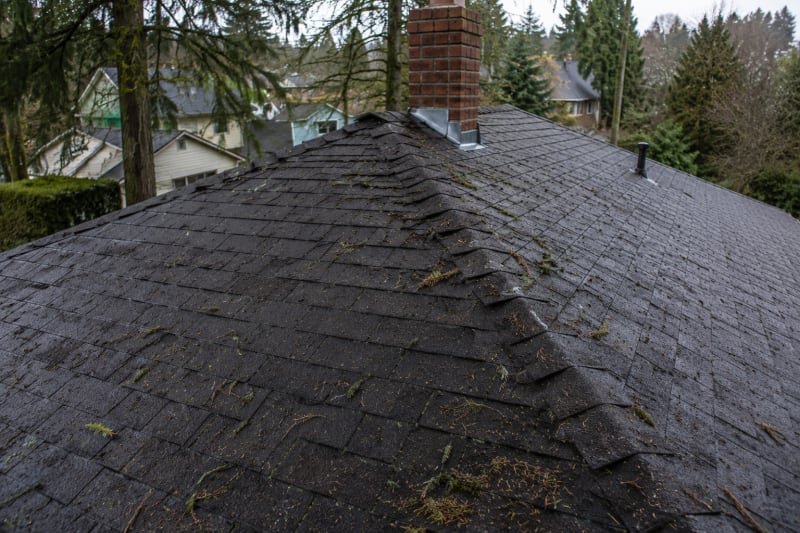
Long wet seasons mean roofs rarely get a full chance to dry. That trapped moisture sits for months instead of evaporating quickly. Materials stay damp longer and deterioration speeds up. Small issues become expensive structural repairs. That’s why ventilation matters even more in Portland than in many drier climates.
Hot Attics Age Shingles Faster
Ventilation isn’t only about moisture — heat matters too. During summer, attic temperatures can rise dramatically above outdoor conditions. Excess heat bakes shingles from underneath and accelerates aging. Granules loosen sooner and roofing materials lose flexibility. Better airflow helps roofs last closer to their intended lifespan.
Mold Often Starts Before You Smell It
Most attic mold develops quietly. You usually won’t notice odor until the problem becomes significant. Meanwhile moisture continues damaging wood and reducing indoor air quality. Catching ventilation issues early can stop mold before remediation becomes necessary. Prevention is usually far less expensive than cleanup.
Insulation Alone Won’t Solve the Problem
Many homeowners assume adding insulation fixes attic issues. Insulation and ventilation work together — they do different jobs. Insulation slows heat transfer while ventilation removes excess heat and moisture. Without airflow, insulation can even trap humidity. Balanced systems perform better than adding more insulation alone.
Small Vent Problems Can Create Big Roof Bills
Blocked vents, damaged ridge vents, or poor airflow design can affect the whole roofing system. We often find homes where one inexpensive ventilation correction could have prevented major roof work later. Small airflow improvements can protect decking, shingles, and attic framing. Maintenance matters more than most people realize.
Signs You Might Have Ventilation Issues
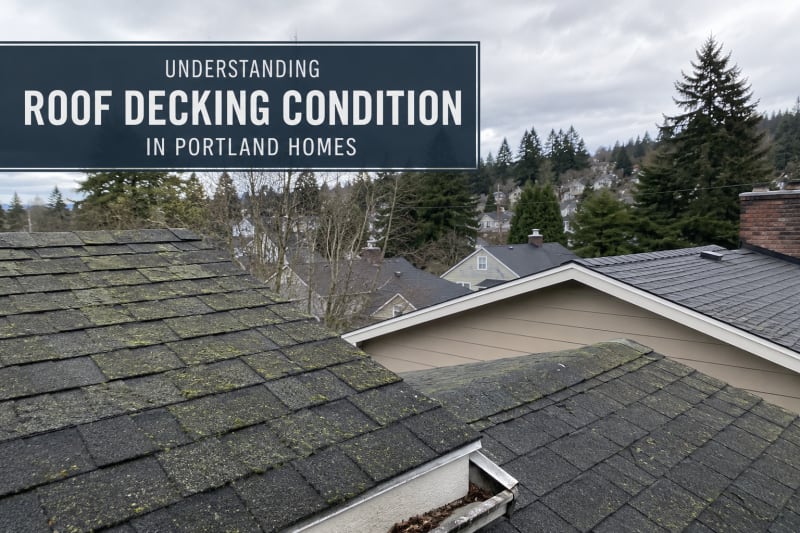
Watch for warning signs inside and outside your home. Rooms that feel unusually hot upstairs, musty smells, visible attic moisture, peeling paint near ceilings, or excessive moss growth can all point to ventilation problems. Ice buildup in colder periods can also be connected. These signs are worth checking early.
A Roof Replacement Isn’t Always the Answer
Sometimes homeowners assume aging shingles mean full replacement. But during inspections, ventilation upgrades alone occasionally solve the underlying issue. Correcting airflow can extend roof performance and prevent future damage. The goal isn’t always replacing the roof — it’s solving the actual problem.
The Best Time to Check Ventilation Is Before You Need It
Ventilation problems rarely announce themselves dramatically. By the time leaks or mold appear, repairs become more expensive. Annual inspections help catch blocked airflow, moisture buildup, and aging components early. A small adjustment today can protect your roof for years.
Final Thought : A healthy roof isn’t only about what you see from the street. If your attic can’t release heat and moisture properly, even a newer roof can wear out early. During our inspections, we show homeowners exactly how their roof is performing — and whether ventilation is helping or hurting its lifespan. No pressure. Just clear answers and practical recommendations.