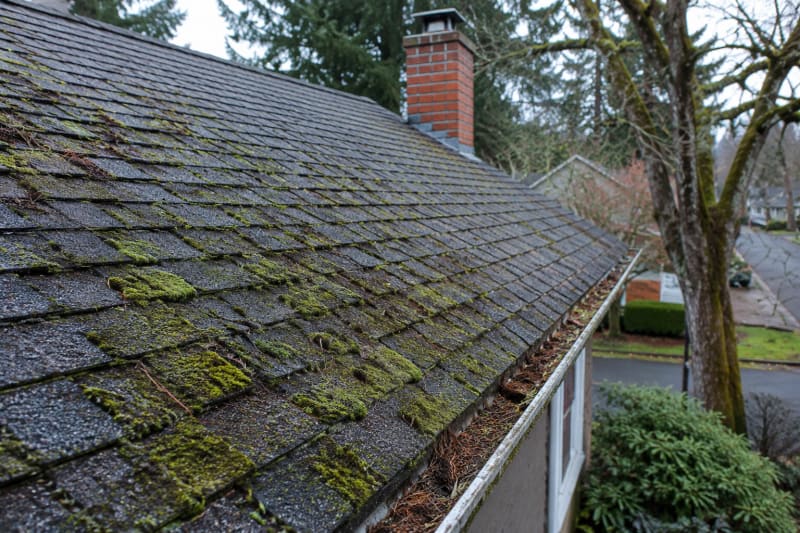
Portland homeowners often focus on shingles when thinking about roof health, but one of the most important parts of any roofing system is something many people never notice: flashing.
At T Mix Roofing, we've inspected hundreds of roofs throughout Portland, Beaverton, Hillsboro, Tigard, Lake Oswego, Gresham, Oregon City, Vancouver, WA, and surrounding communities. One thing we see repeatedly is that major leaks often start with flashing problems—not failed shingles.
If you want to protect your home from Portland's long rainy season, understanding roof flashing is essential.
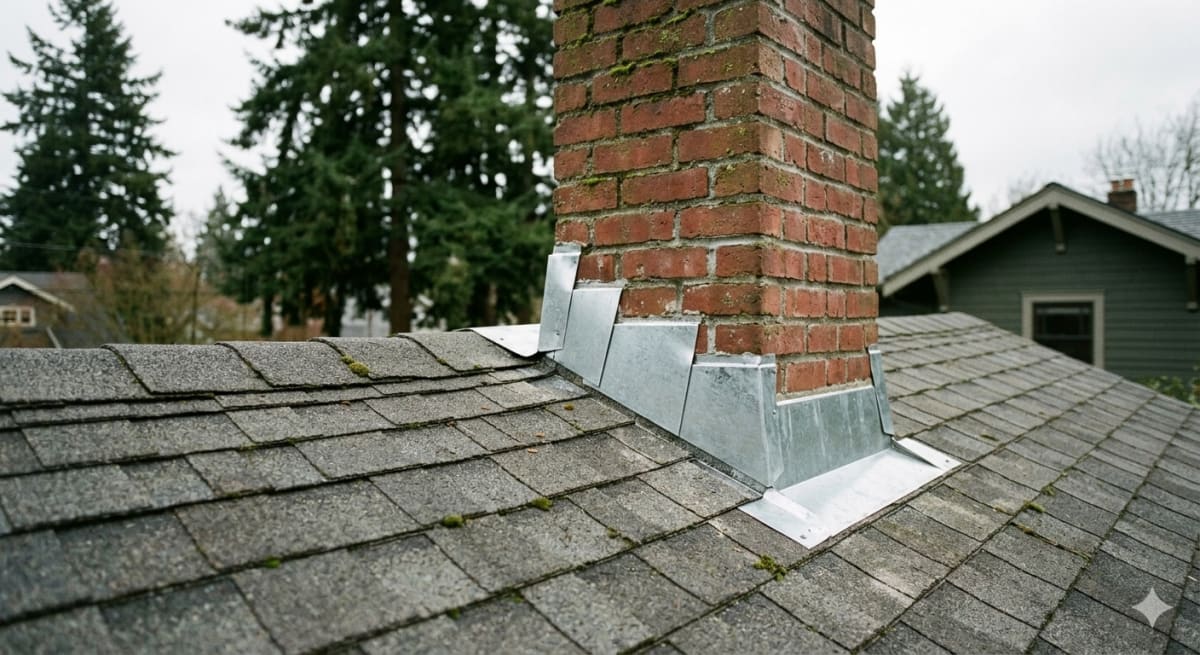
Roof flashing is a thin metal material installed around vulnerable areas of your roof to direct water away from openings and joints.
Flashing is commonly installed around:
✔ Chimneys
✔ Skylights
✔ Roof valleys
✔ Plumbing vents
✔ Wall intersections
✔ Dormers
✔ Roof-to-wall transitions
These areas are naturally more vulnerable to water intrusion than the main roof surface.
Without properly installed flashing, rainwater can find its way beneath shingles and into your home's structure.
Why Flashing Matters More in Portland Than Many Other Cities
Portland roofs face a unique challenge.
Our region experiences months of steady rainfall, frequent moisture, moss growth, and wind-driven rain. Unlike areas that receive occasional heavy storms, Portland roofs are exposed to prolonged wet conditions throughout much of the year.
This constant exposure means even small flashing failures can lead to significant problems over time.
A tiny gap that might go unnoticed during summer can become a major leak during Portland's rainy season.
The 5 Biggest Flashing Problems We See on Portland Roofs
Problem #1: Rusted or Corroded Flashing
Older flashing can deteriorate after years of exposure to moisture.
Warning signs include:
» Rust stains
» Discoloration
» Visible holes
» Metal separation
Once corrosion begins, water can easily penetrate vulnerable areas.
Problem #2: Improper Chimney Flashing
Chimneys are one of the most common leak sources we encounter.
Many roofing problems aren't caused by the chimney itself—they stem from improperly installed flashing around the chimney base.
When flashing isn't correctly integrated with the roofing system, water can enter the home and damage:
» Roof decking
» Attic insulation
» Interior ceilings
» Wall framing
Problem #3: Valley Flashing Failure
Roof valleys handle large amounts of water during Portland rainstorms.
When valley flashing becomes damaged, clogged, or improperly installed, water can back up beneath shingles and cause hidden structural damage.
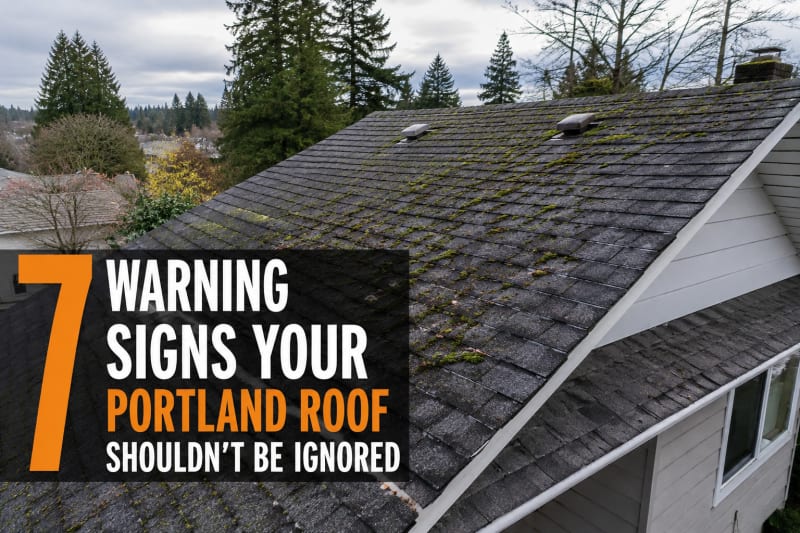
This is especially common on roofs with significant moss buildup.
Problem #4: Loose Vent Pipe Flashing
Vent pipes expand and contract throughout the year.
Over time, flashing seals around plumbing vents can crack, split, or separate.
Because these openings are relatively small, leaks often go unnoticed until interior damage appears.
Problem #5: DIY Repairs That Don't Last
Many homeowners attempt quick fixes using roofing cement or caulking.
While these products may temporarily slow a leak, they rarely solve the underlying flashing issue.
In Portland's wet climate, temporary repairs often fail much sooner than expected.
How T Mix Roofing Inspects Roof Flashing
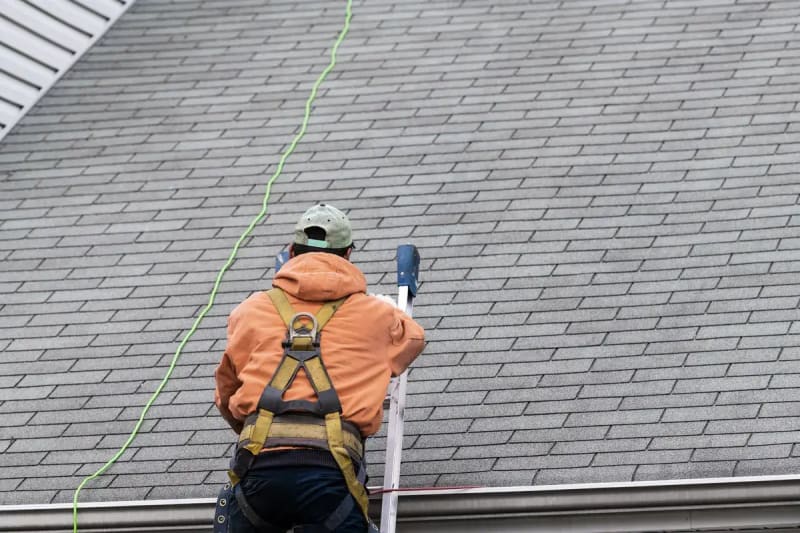
During our roof inspections, we carefully evaluate every major flashing component.
We look for:
✔ Loose flashing
✔ Corrosion and rust
✔ Missing sealants
✔ Improper installation
✔ Water entry points
✔ Moss-related damage
✔ Signs of previous repair failures
Our goal is to identify minor issues before they become expensive repairs.
Signs Your Roof Flashing May Be Failing
You don't have to climb onto your roof to spot warning signs.
Watch for:
» Water stains on ceilings
» Moisture around chimneys
» Leaks during heavy rain
» Peeling paint near roof intersections
» Mold growth in the attic
» Missing or lifted shingles near flashing areas
If you notice any of these symptoms, it's worth scheduling a professional inspection.
Can Flashing Be Repaired, or Does It Need Replacement?
The answer depends on the extent of the damage.
Minor issues may only require:
» Resealing
» Fastener replacement
» Small flashing repairs
More significant deterioration may require complete flashing replacement to restore proper water protection.
At T Mix Roofing, we always recommend the most practical and cost-effective solution based on the condition of your roof.
Why Professional Installation Matters
Even premium roofing materials can fail if flashing is installed incorrectly.
Proper flashing installation requires:
» Correct metal selection
» Precise placement
» Proper overlap techniques
» Integration with underlayment and shingles
» Knowledge of Portland's climate conditions
A roof is only as strong as its most vulnerable connection points.
That's why experienced flashing installation is one of the most important investments you can make in your roofing system.
Protect Your Portland Home Before Leaks Start
Roof flashing may not be the most visible part of your roof, but it plays one of the biggest roles in protecting your home from water damage.
At T Mix Roofing, we help homeowners throughout Portland, Beaverton, Hillsboro, Tigard, Lake Oswego, Gresham, Oregon City, Vancouver, WA, and surrounding areas identify flashing problems before they turn into costly repairs.
If it's been more than a year since your last roof inspection, now is the perfect time to make sure your flashing, shingles, and drainage systems are ready for Portland's next rainy season.
A small flashing repair today can prevent a major roof repair tomorrow.